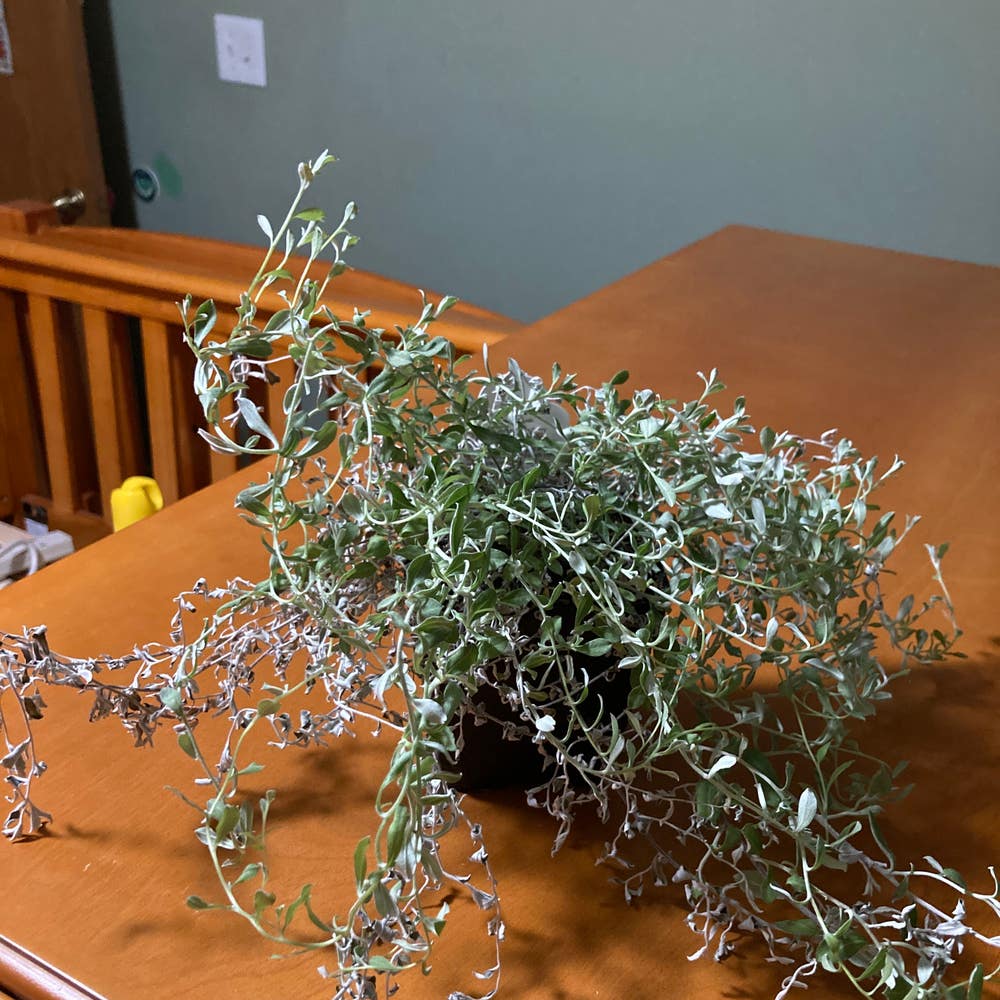
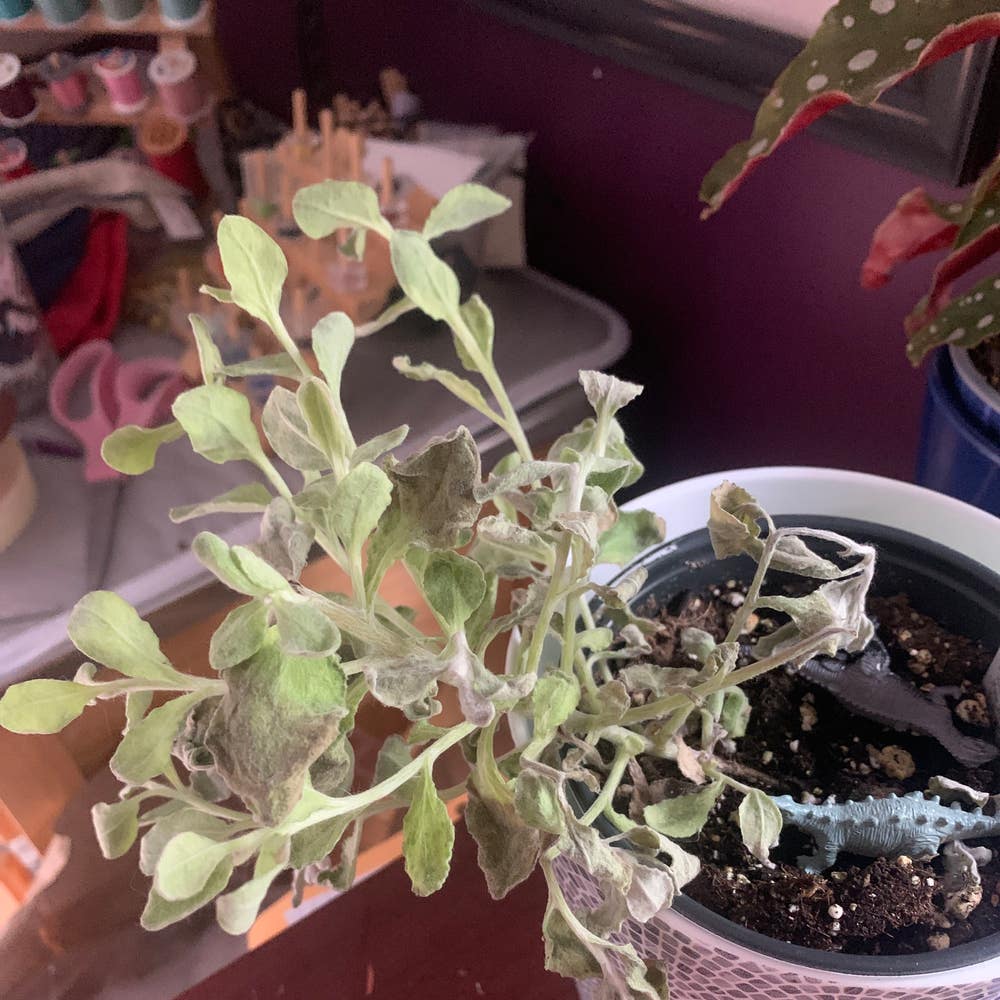
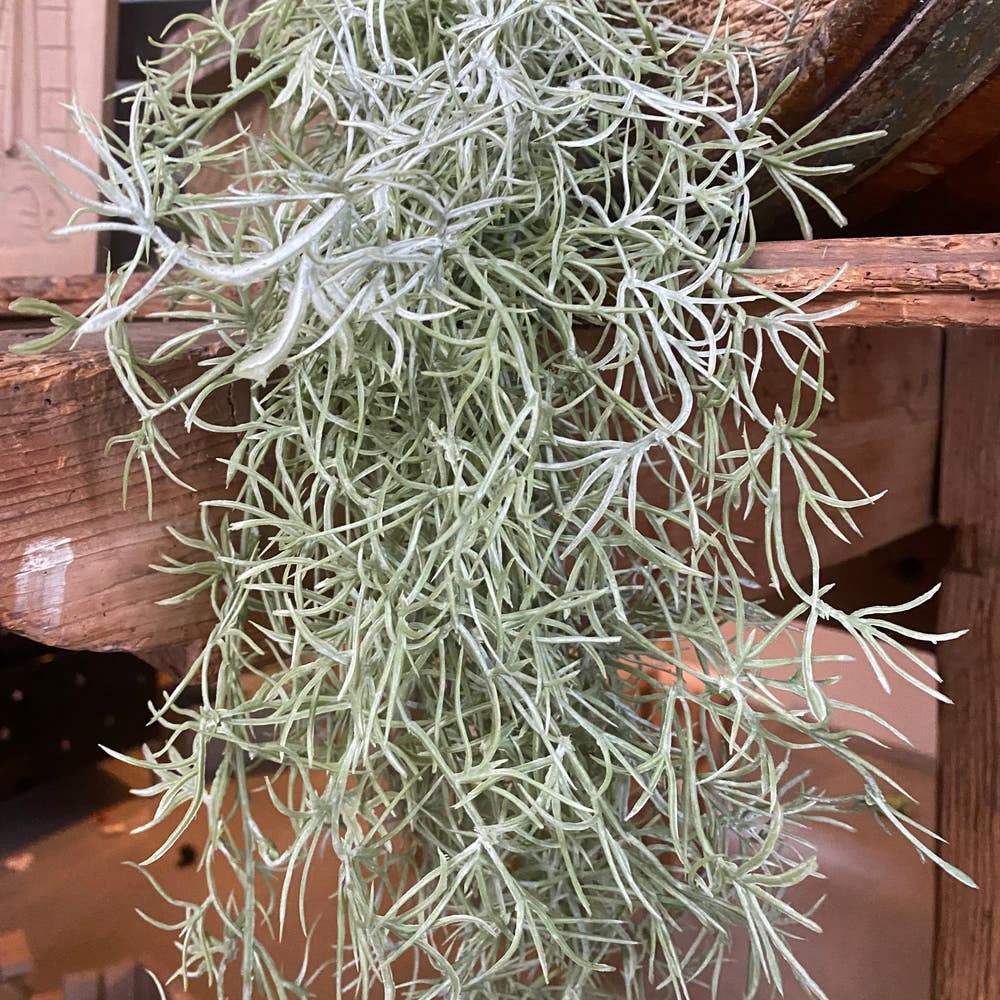
6 Ideal Locations to Plant Your Curry Plant 🌶️
Helichrysum italicum
By the Greg Editorial Team
Oct 17, 2024•5 min read
This article was created with the help of AI so we can cover more plants for you. May contain errors. See one? Report it here.
Master sunlight and soil for thriving curry plants 🌱 and unlock vibrant flavors in your culinary creations!
- ☀️ Curry plants need 6-8 hours of sunlight for optimal growth and flavor.
- 🌱 Well-draining sandy or loamy soil prevents root rot and promotes healthy growth.
- 🌬️ Use windbreaks to protect curry plants from strong winds that stunt growth.
Sunlight Exposure Requirements
Full Sun Necessity ☀️
Curry plants thrive on sunlight, requiring at least 6-8 hours of direct exposure daily. Without this optimal sunlight, you may notice stunted growth and a significant reduction in the flavor of the leaves.
Shade Tolerance 🌳
While curry plants can tolerate some shade, they truly prefer bright light. Growing in shaded conditions often results in less aromatic leaves, diminishing the plant's culinary potential.
Assessing Sun Exposure 🔍
To maximize sunlight, evaluate your garden's orientation. South-facing areas typically receive the most sunlight, making them ideal for planting.
Importance of Seasonal Sun Patterns 📅
Don’t forget to consider seasonal sun patterns. Trees or structures can cast shadows throughout the day, affecting how much light your curry plant receives.
By understanding these sunlight exposure requirements, you can ensure your curry plant flourishes in the best conditions possible. Next, let’s explore the soil type preferences that will further enhance its growth.
Soil Type Preferences
Ideal Soil Conditions 🌱
For your curry plant to thrive, it craves well-draining sandy or loamy soil. This type of soil allows for proper aeration and prevents water from pooling around the roots.
Low to moderate fertility is best for the curry plant. Too much fertility can lead to lush foliage but may compromise the flavor of the leaves.
Soil pH Considerations ⚖️
The optimal pH range for curry plants is slightly acidic to neutral, specifically between 6.0 and 7.0. Maintaining this pH level helps ensure that the plant can absorb essential nutrients effectively.
To determine your soil's pH, consider using a soil test kit. This simple step can provide valuable insights into your soil's health and nutrient levels.
Improving Soil Conditions 🛠️
Amending your soil can significantly enhance its quality. Incorporating organic matter or sand can improve drainage, making it easier for your curry plant to establish strong roots.
It's crucial to avoid heavy, clay-rich soils that retain moisture. These conditions can lead to root rot, jeopardizing your plant's health and growth.
Proximity to Other Plants and Structures
🌱 Companion Planting Considerations
When planting your curry plant, consider pairing it with Mediterranean herbs like rosemary and thyme. These companions not only thrive in similar conditions but also enhance each other's growth and boost pest resistance.
🏠 Distance from Structures
To ensure your curry plant flourishes, maintain adequate space around it for air circulation. If you're planting indoors, position it near windows to maximize sunlight exposure, which is crucial for its growth.
By thoughtfully considering the proximity to other plants and structures, you can create an optimal environment for your curry plant to thrive. This attention to detail will set the stage for healthy growth and flavorful leaves.
Next, let’s explore how to assess the microclimates in your garden to further enhance your curry plant's growing conditions.
Assessing Microclimates
🌡️ Understanding Microclimates
Microclimates are unique areas within your garden that experience different climate conditions compared to the surrounding environment. For your curry plant, these variations in temperature, humidity, and light exposure can significantly impact growth and flavor.
🔍 Identifying Microclimates
To identify microclimates, start by observing your garden's features. Walls, fences, and large trees can create sheltered spots that may be warmer or cooler than open areas.
Look for temperature variations, especially near buildings. Warm spots close to walls can be ideal for planting your curry plant, providing it with the warmth it craves.
Understanding these microclimates allows you to make informed decisions about where to plant. This knowledge can enhance your curry plant's growth and overall health, ensuring you enjoy the best flavor possible.
As you assess your garden, consider how these microclimates interact with other factors like sunlight and wind. This holistic approach will lead you to the perfect spot for your curry plant.
Wind Protection Needs
🌬️ Sensitivity to Wind
Strong winds can be detrimental to your Curry Plant, leading to damage and stunted growth. Protecting your plant from these gusts is essential for its overall health and vitality.
🛡️ Importance of Windbreaks
Implementing windbreaks is a smart strategy. Fences, hedges, or even other plants can create a barrier that shields your Curry Plant from harsh winds.
📍 Selecting Wind-Protected Locations
Look for areas in your garden that naturally offer shelter from prevailing winds. These spots can significantly enhance your plant's chances of thriving.
🏡 Assessing Garden Layout
When planning your garden, position your Curry Plant away from open, exposed areas. This simple adjustment can make a world of difference in its growth and resilience.
By considering wind protection, you set the stage for a flourishing Curry Plant. Next, let’s explore the crucial aspect of drainage to ensure your plant's roots stay healthy and happy.
Drainage Considerations
Importance of Drainage 🌊
Proper drainage is crucial for your curry plant's health. Poor drainage can lead to waterlogged soil, which increases the risk of root rot and other diseases.
Ideal Drainage Conditions 🌧️
To keep your curry plant thriving, ensure the soil drains quickly after watering or rainfall. This helps maintain the right moisture balance for optimal growth.
Assessing Drainage 🔍
Testing your garden's drainage is straightforward. Conduct a percolation test by digging a hole and observing how quickly water absorbs.
Improving Drainage 🛠️
If you find your soil retains too much moisture, consider using raised beds. You can also amend the soil with perlite or gravel to enhance drainage.
By prioritizing drainage, you'll create a healthier environment for your curry plant. This attention to detail will pay off in vibrant, flavorful leaves that elevate your culinary creations.
Next, let's explore the wind protection needs of your curry plant to ensure it thrives in all conditions.
⚠️ Safety First
This content is for general information and may contain errors, omissions, or outdated details. It is not medical, veterinary advice, or an endorsement of therapeutic claims.
Always consult a qualified healthcare professional before using any plant as food, medicine, or supplement.
Never eat any plant (or feed one to pets) without confirming its identity with at least two trusted sources.
If you suspect poisoning, call Poison Control (800) 222-1222, the Pet Poison Helpline (800) 213-6680, or your local emergency service immediately.
Spotted an error? Please report it here.
Cultivate a flavorful curry plant 🌿 by leveraging Greg's tailored care reminders and soil testing tips to create the perfect growing environment for your culinary delight!