🍛 Curry Plant Varieties that Belong in Your Garden
Helichrysum italicum
By the Greg Editorial Team
Oct 17, 2024•4 min read
This article was created with the help of AI so we can cover more plants for you. May contain errors. See one? Report it here.
Unlock the potential of curry plants to beautify your garden and spice up your meals! 🌱
- 🌿 Curry Plant varieties offer unique flavors and aesthetics for your garden.
- 🌱 Dwarf varieties like 'Compacta' are perfect for small spaces and container gardening.
- 🌼 Rare cultivars like 'Variegatum' enhance both culinary and ornamental appeal.
Popular Cultivars
🌱 Commonly Grown Cultivars
'Curry Plant'
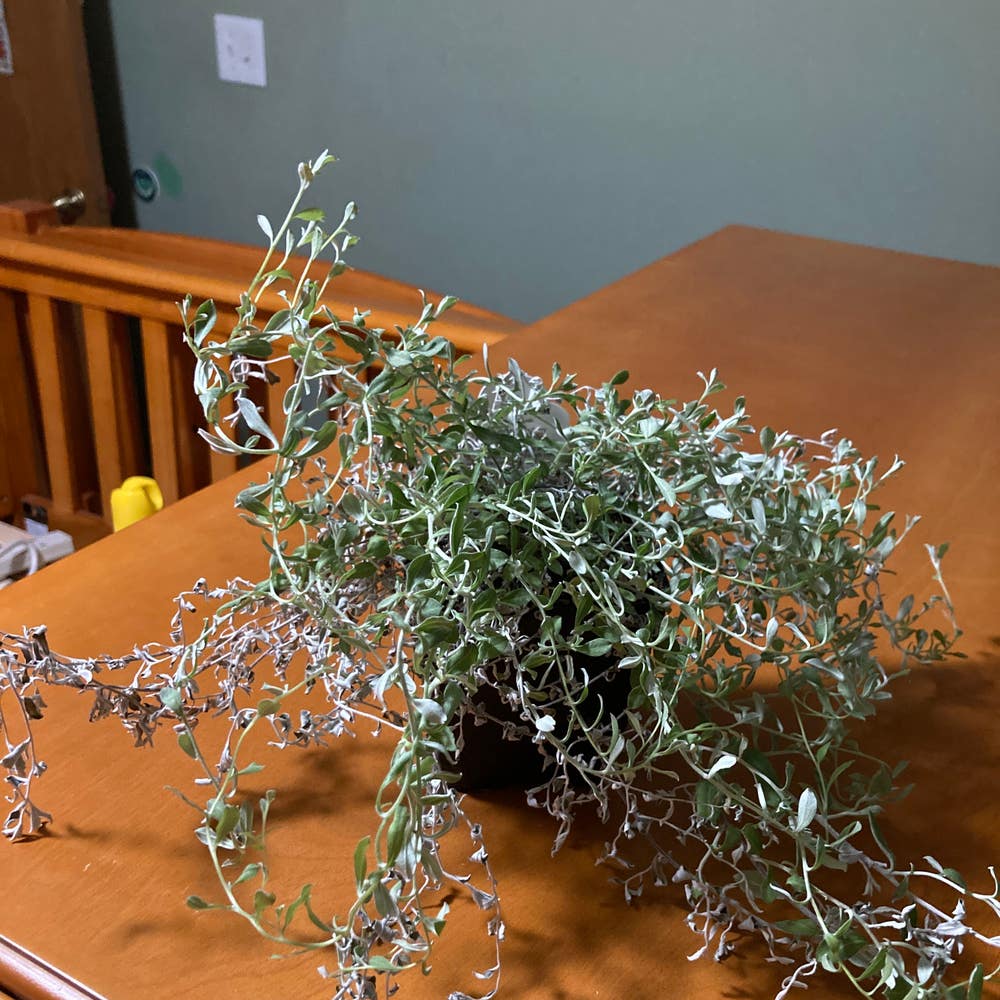
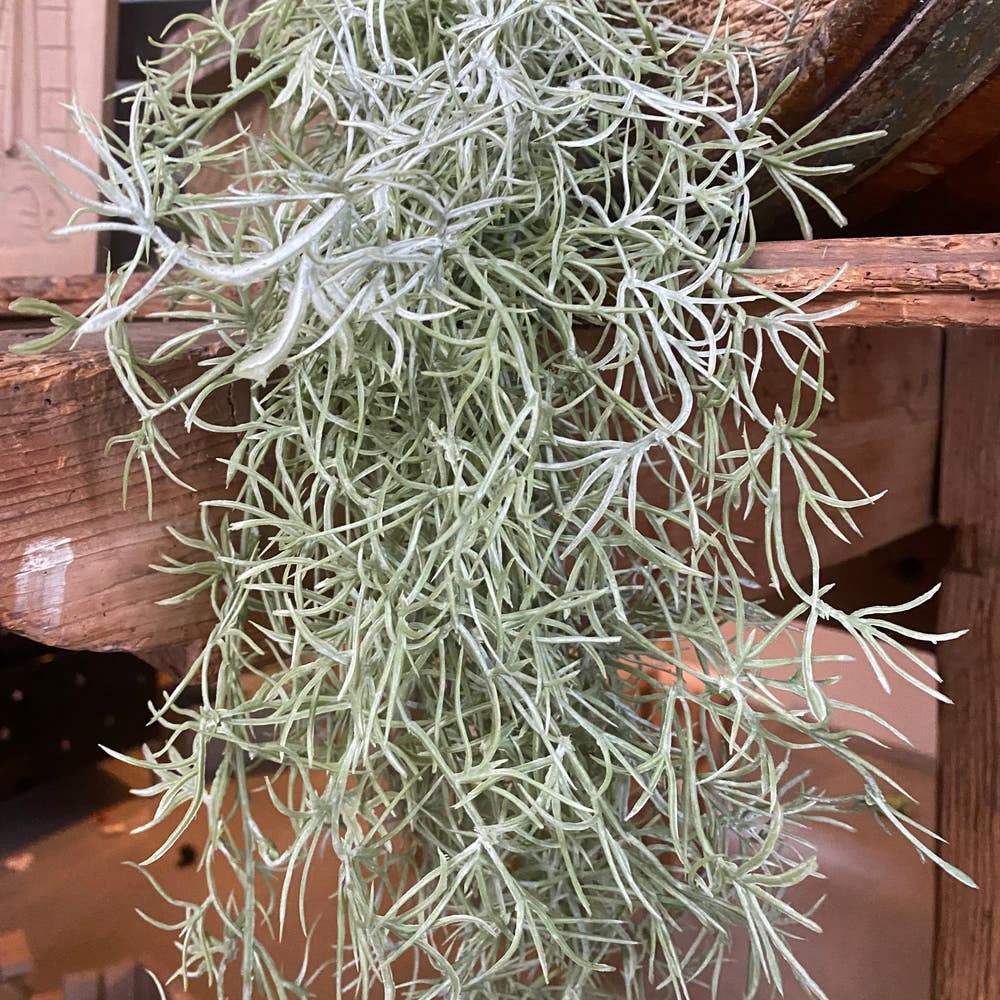
The 'Curry Plant' is the quintessential cultivar, known for its strong aroma and striking silvery leaves. This versatile plant shines in both culinary dishes and as an ornamental addition to your garden.
'Compacta'
If you're short on space, the 'Compacta' is your go-to choice. This dwarf variety boasts a compact growth habit, making it perfect for container gardening.
'Silver'
For those who appreciate aesthetics, the 'Silver' cultivar stands out with its enhanced silver leaf color. Primarily used for decorative purposes, it adds a touch of elegance to any garden setting.
These popular cultivars not only enhance your garden's beauty but also offer practical uses in the kitchen. As you explore the world of curry plants, consider how each variety can fit into your gardening plans.
Next, let’s dive into hybrid varieties, where unique traits and flavors await discovery.
Hybrid Varieties
🌱 Characteristics of Hybrid Varieties
Hybrid varieties of curry plants are specially bred to enhance specific traits. These traits can include hardiness, unique aesthetics, or improved flavor profiles.
🌟 'Curry Gold'
One standout hybrid is 'Curry Gold'. This variety boasts an enhanced flavor profile and vibrant leaf color, making it a favorite among culinary enthusiasts.
- Uses: Ideal for culinary applications, 'Curry Gold' focuses on delivering a rich taste that elevates dishes.
🌿 'Aromatic Gold'
Another noteworthy hybrid is 'Aromatic Gold'. This cultivar features increased aromatic qualities and larger leaves, perfect for those who love bold flavors.
- Uses: Primarily utilized for culinary and aromatic purposes, 'Aromatic Gold' adds a delightful fragrance to any dish.
Hybrid varieties not only enrich your garden but also enhance your culinary experiences. Their unique traits make them a valuable addition for both novice and seasoned gardeners.
As we explore the world of curry plants, let's dive into the rare varieties that offer unique characteristics and surprises.
Rare Varieties
🌟 Unique Characteristics
Rare curry plant varieties offer unique traits that can elevate your garden. These less commonly found cultivars not only add diversity but also bring distinct flavors and aesthetics.
🌿 'Variegatum'
The 'Variegatum' is a standout with its striking variegated leaves featuring cream edges. This cultivar serves dual purposes: it’s both ornamental and culinary, making it a versatile addition to any garden.
🍛 'Curry Leaf Plant'
Often confused with the standard Curry Plant, the 'Curry Leaf Plant' is distinct in its culinary uses. Its leaves are essential in many dishes, particularly in Indian cuisine, adding a unique flavor that’s hard to replicate.
These rare varieties not only enhance your garden's visual appeal but also enrich your culinary experiences. As you explore these unique options, consider how they can fit into your gardening plans.
Next, let’s dive into the fascinating world of color variations among curry plants.
Color Variations
Exploring Color Differences 🌈
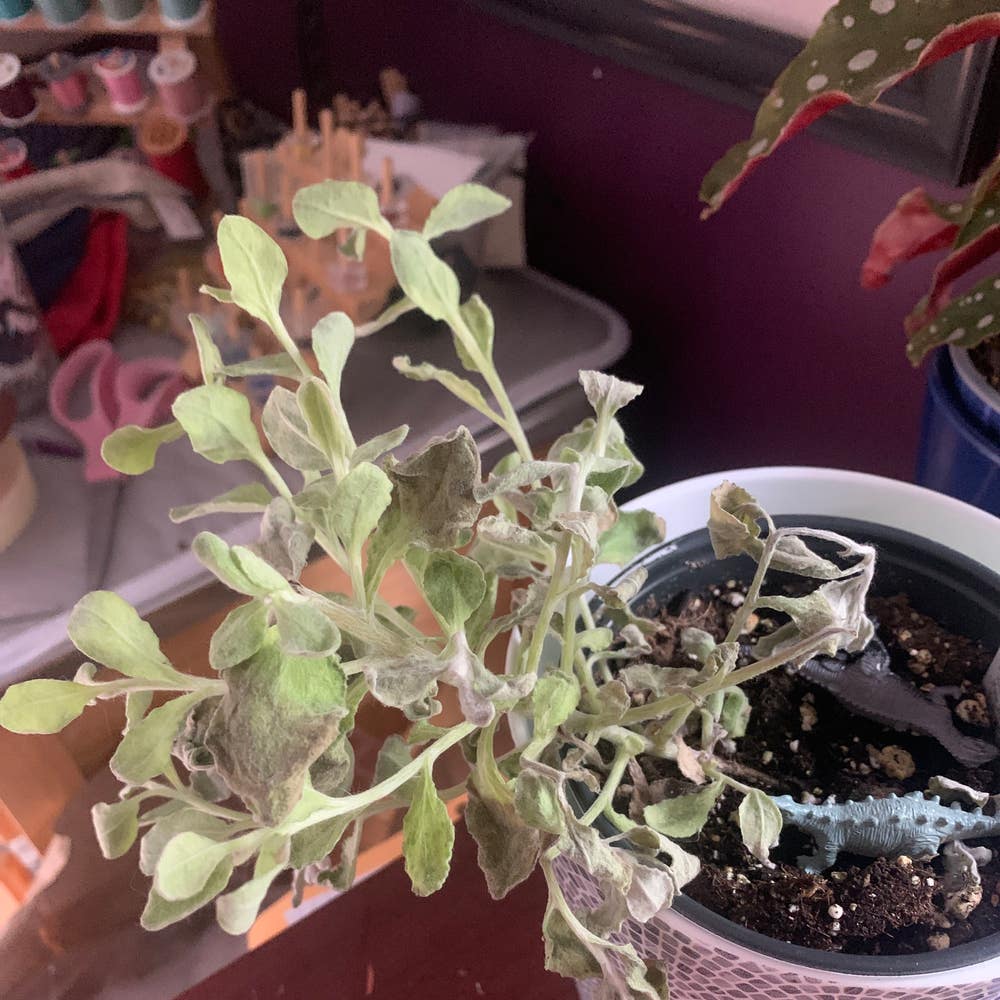
When it comes to curry plants, the color variations are truly captivating. Leaf colors can range from a rich, deep green to a striking silvery-green, adding visual interest to any garden.
Flower Color 🌼
The flowers of curry plants are typically yellow, but their intensity can vary significantly. This variation can create a stunning contrast against the foliage, enhancing the overall aesthetic appeal.
Impact on Aesthetics 🎨
Color variations play a crucial role in garden design. By incorporating different leaf and flower colors, you can create a vibrant, dynamic landscape that draws the eye and sparks curiosity.
These colorful elements not only beautify your garden but also allow for creative expression. Whether you're aiming for a cohesive look or a more eclectic vibe, the right color combinations can elevate your outdoor space.
As you plan your garden, consider how these color variations can complement other plants. This thoughtful approach will ensure a harmonious and inviting environment.
Next, let’s dive into the size differences among curry plant varieties and how they can influence your planting strategy.
Size Differences
Growth Habit and Size Variations 🌱
Understanding the size differences among curry plant varieties can significantly influence your garden design. Common cultivars typically reach heights of 2 to 3 feet, with a similar spread, making them a robust choice for garden beds.
Dwarf Varieties 🪴
Dwarf varieties, like 'Compacta', are game-changers for smaller spaces. These compact plants usually grow to about 1 foot tall, making them perfect for container gardening or tight spots in your garden.
Impact on Planting 🌍
When planning your garden, consider the spacing needs of each variety. Standard cultivars require more room to thrive, while dwarf varieties can be nestled closely together, allowing for a diverse and vibrant display.
This thoughtful arrangement not only enhances aesthetics but also maximizes your gardening space. As you explore these size differences, you'll find the perfect fit for your garden's unique layout.
Next, let's delve into the fascinating world of color variations among curry plants.
⚠️ Safety First
This content is for general information and may contain errors, omissions, or outdated details. It is not medical, veterinary advice, or an endorsement of therapeutic claims.
Always consult a qualified healthcare professional before using any plant as food, medicine, or supplement.
Never eat any plant (or feed one to pets) without confirming its identity with at least two trusted sources.
If you suspect poisoning, call Poison Control (800) 222-1222, the Pet Poison Helpline (800) 213-6680, or your local emergency service immediately.
Spotted an error? Please report it here.
Transform your garden with aromatic curry plants 🌿 that elevate both your culinary and aesthetic experiences, and let Greg guide you with personalized care tips for thriving varieties!