Why Are There Black Spots on My Curry Plant Leaves?
Helichrysum italicum
By the Greg Editorial Team
Jun 18, 2024•3 min read
This article was created with the help of AI so we can cover more plants for you. May contain errors. See one? Report it here.
Eradicate mysterious black spots 🕵️♂️ on your curry plant leaves and restore plant health with proven tactics!
- Black spots signal plant distress, often from fungi like Septoria or mildew.
- Bacterial infections also cause spots; look for a halo to identify them.
- Neem oil and baking soda can naturally treat these infections.
Spotting the Culprit: Recognizing Black Spots
🚨 Visual Symptoms
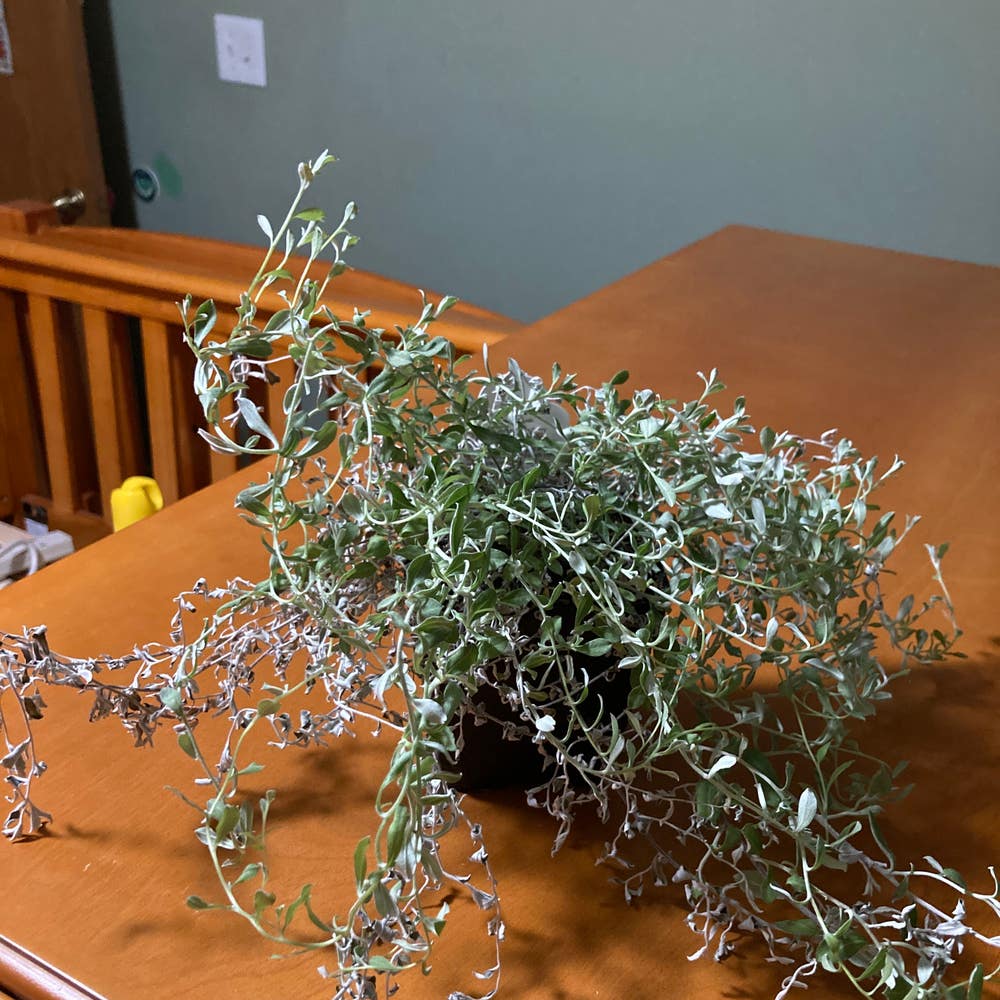
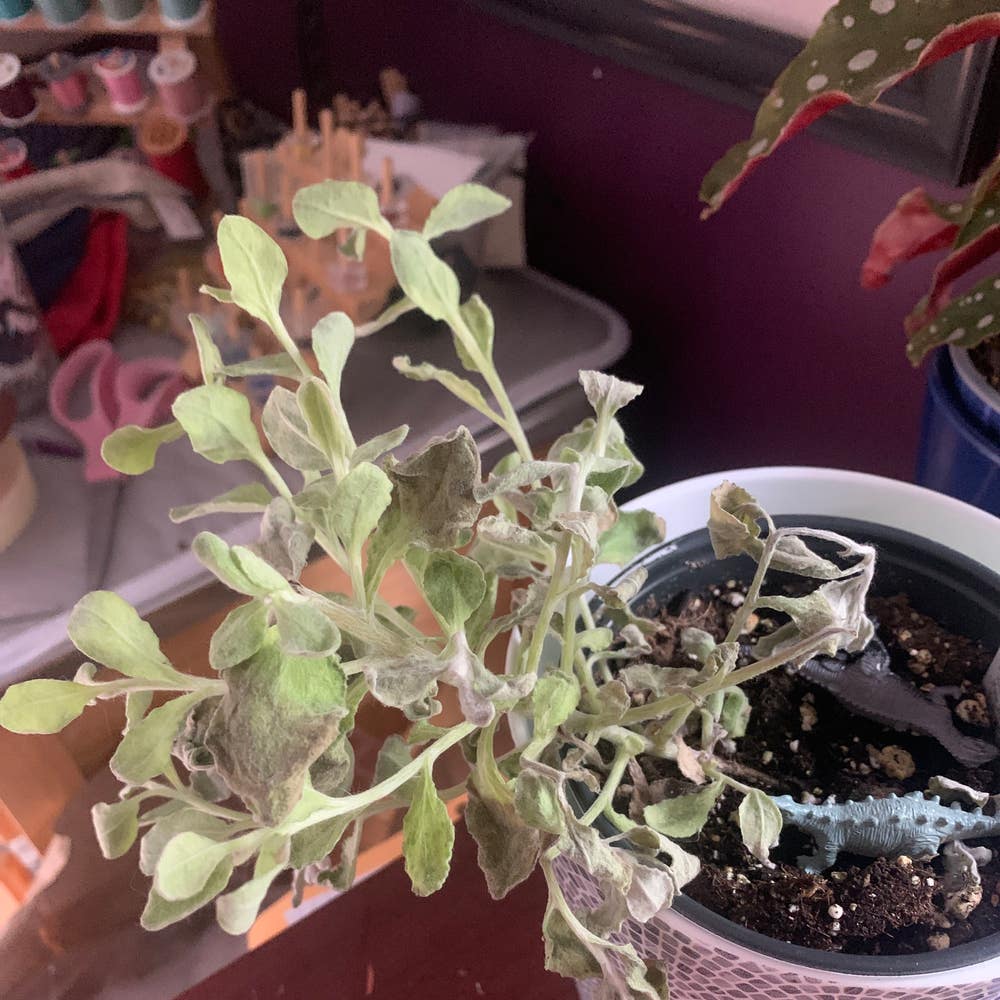
Black spots on Curry Plant leaves are alarm bells. They're the plant's cry for help, manifesting as small, dark lesions that could spell trouble. These spots may appear uniform or random, with or without a distinct border. They're not just blemishes; they're symptoms of a deeper issue.
🔄 The Spread Pattern
The pattern of spread is a tell-tale sign. If the spots are expanding or merging into larger blotches, it's an indication that the problem is progressing. A yellow or red halo surrounding the spots is a classic sign of fungal or bacterial invasion. No halo might suggest environmental stress or physical damage. Regular monitoring is crucial; think of it as routine health check-ups for your plant.

Zeroing in on the Causes
🍄 Fungal Foes
Fungi are the usual suspects behind those unsightly black spots on Curry Plant leaves. Septoria leaf spot and powdery mildew top the most-wanted list, thriving in the plant world's version of a sauna—warm and moist environments. They infiltrate through tiny plant wounds, leaving behind a distinctive bull's-eye pattern. These fungi are opportunists, exploiting conditions like overwatering or poor drainage to establish their territory.
🦠 Bacterial Bullies
Bacterial infections are the silent but deadly types, less common yet equally destructive. Pseudomonas and Acidovorax are the notorious bacterial bullies, causing black or brown spots that can lead to leaf deterioration. They revel in wet conditions and poor air circulation, just like their fungal counterparts. Unclean gardening tools can act as their accomplices, spreading these microbes from one plant to another with the finesse of a seasoned spy.

Section

The Battle Plan: Effective Treatment Strategies
🌿 Going Natural
Neem oil is your plant's paladin, shielding it from fungal foes with its natural fungicidal properties. Apply as directed—overuse is overkill. For a DIY mix, blend baking soda, water, and a dash of soap. This pH-altering potion is fungi's nemesis. Cinnamon isn't just for lattes; it's a fungicide too. Sprinkle it on or create a paste for a protective barrier.
💣 Bringing Out the Big Guns
When the natural approach falls short, it's time for chemical cavalry. Systemic fungicides like Aliette or Subdue are the enforcers, showing advanced fungal invasions the door. Suit up for safety, and follow the label like it's the holy grail of plant health. Spray thoroughly; a missed spot is a missed opportunity. Stay consistent—fungi are like bad habits, hard to break without persistence.
⚠️ Safety First
This content is for general information and may contain errors, omissions, or outdated details. It is not medical, veterinary advice, or an endorsement of therapeutic claims.
Always consult a qualified healthcare professional before using any plant as food, medicine, or supplement.
Never eat any plant (or feed one to pets) without confirming its identity with at least two trusted sources.
If you suspect poisoning, call Poison Control (800) 222-1222, the Pet Poison Helpline (800) 213-6680, or your local emergency service immediately.
Spotted an error? Please report it here.