Why Are There Brown Spots on My Curry Plant Leaves?
Helichrysum italicum
By the Greg Editorial Team
Jun 18, 2024•4 min read
This article was created with the help of AI so we can cover more plants for you. May contain errors. See one? Report it here.
Solve the mystery of brown spots on curry plants and keep your green friends thriving! 🌿🔍
- Overwatering suffocates roots, leading to brown spots on curry plant leaves.
- Fungi, bacteria, and pests contribute to the problem; neem oil can help.
- Consistent watering and airflow prevent future brown spots.
Spotting the Trouble: Recognizing Brown Spots
🍂 Visual Symptoms
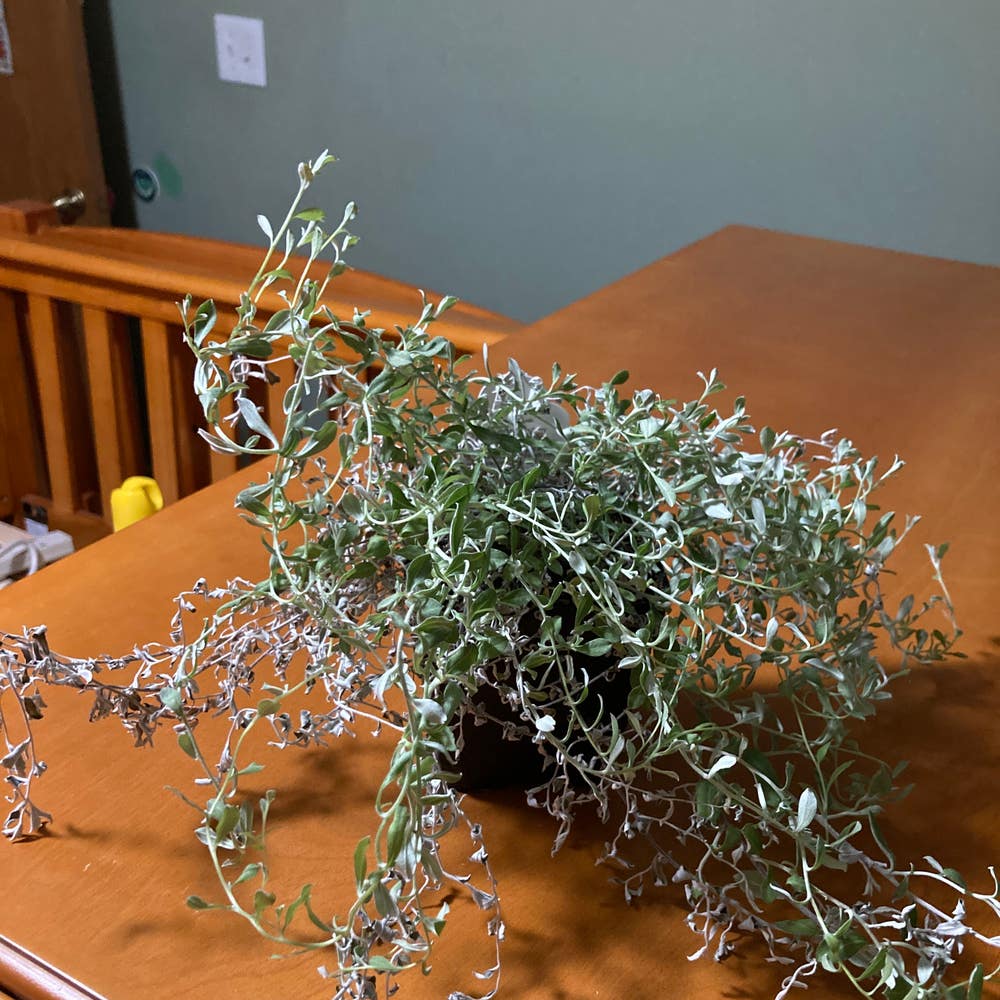
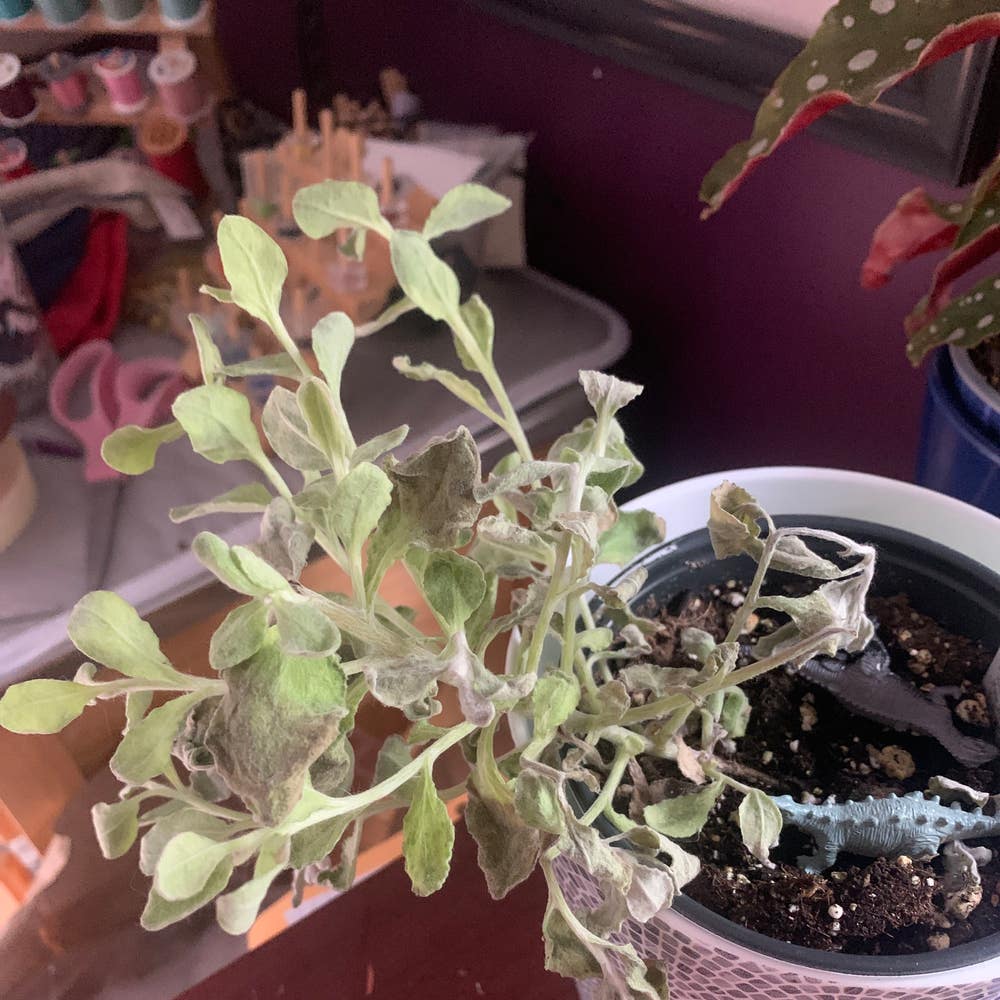
Brown spots on Curry Plant leaves are red flags; they can range from subtle tan speckles to bold, dark blotches. The spots may appear dry and crispy or wet and mushy, often with a yellow halo. They can be found anywhere from the leaf center to the margins, and their progression can offer clues about the underlying issue.
🚨 Accompanying Signs
Other symptoms often accompany brown spots, like leaf yellowing and drop, indicating a more systemic problem. Consistency in spot appearance across the foliage is a telltale sign of a widespread issue. Don't overlook these signs; they're not just cosmetic—they're a plant's cry for help.
Rooting Out the Causes
💧 Too Much Love: Overwatering Woes
Overwatering is the silent killer of the Curry Plant, leading to those dreaded brown spots. Roots need air as much as they need water; too much of the latter and you're suffocating them. Mushy leaves and a heavy pot are your red flags. It's crucial to let the soil dry out between waterings—think of it as a plant's breathing space.
🍄 Unwanted Guests: Fungal and Bacterial Culprits
Fungi and bacteria are freeloaders that love a moist environment. They sneak in, throw a rave, and leave brown spots as party favors. These pathogens flourish when overwatering and poor air circulation crash the scene. Early detection is key—look for spots with yellow or red edges and act fast to evict these uninvited guests.
🐜 Tiny Troublemakers: Pest Problems
Pests are the ninjas of the plant world—small, sneaky, and damaging. Spider mites, aphids, and mealybugs suck the life out of your Curry Plant, leaving behind those unsightly brown spots. They're not just annoying; they're a serious threat. Regular inspections and swift action are your best defense against these tiny troublemakers.
Healing the Spots: Treatment Strategies
💧 Drying Out: Watering Adjustments
Proper watering is crucial for your Curry Plant's recovery. Check the soil before watering—only add moisture when it's dry to the touch. Water at the base to keep leaves dry, preventing a fungal fiesta. Morning is the best time to water, allowing leaves to dry throughout the day. Ensure your plant has drainage holes; they're like emergency exits for excess water. Adjust your watering with the seasons—less is more as temperatures drop.
🍄 Fungus Among Us: Tackling Fungal Infections
If you're facing a fungal invasion, start with organic options. Mixtures of baking soda and soap can make leaves less inviting to fungi. Neem oil is another ally, acting as both a fungicide and insect repellent. When these don't suffice, it's time for chemical fungicides. Copper-based options are broad-spectrum and effective. Always read the label—this isn't bureaucracy, it's about not turning your plant into a chemical wasteland.
🐜 Bug Off: Pest Control Tactics
Pests love to leave their mark in the form of brown spots. Regular plant check-ups are like a neighborhood watch for bugs. Catch them early and hit them with insecticidal soap or neem oil. For a more natural approach, introduce ladybugs to deal with aphids or use yellow sticky traps for fungus gnats. Remember, overwatering is a dinner invitation for pests—keep the soil on the drier side to avoid unwanted guests.
Keeping Spots at Bay: Prevention Tips
💧 Water Wisdom: Mastering Moisture
Consistency is your ally in the battle against brown spots. Overwatering is a common misstep that can lead to root rot and fungal issues. To prevent this, water only when the soil feels dry to the touch. Use a well-draining soil mix to ensure excess water doesn't linger around the roots, creating a breeding ground for trouble.
🌬 Clean and Serene: Environmental Control
Airflow is crucial. Good circulation helps keep the foliage dry and deters fungal growth. Position your curry plant where it can enjoy a gentle breeze, or use a fan on a low setting to simulate one. Humidity should be monitored closely; aim for that sweet spot between 40-60%. If you're dealing with high humidity, consider a dehumidifier; in dry conditions, a pebble tray or humidifier can help.
Regular inspections are non-negotiable. Think of them as routine check-ups to catch any issues early. Quarantine new plants to prevent any potential spread of pests or diseases. And remember, cleanliness is next to godliness—keep the plant's area free of debris to avoid giving pests a place to feast.
⚠️ Safety First
This content is for general information and may contain errors, omissions, or outdated details. It is not medical, veterinary advice, or an endorsement of therapeutic claims.
Always consult a qualified healthcare professional before using any plant as food, medicine, or supplement.
Never eat any plant (or feed one to pets) without confirming its identity with at least two trusted sources.
If you suspect poisoning, call Poison Control (800) 222-1222, the Pet Poison Helpline (800) 213-6680, or your local emergency service immediately.
Spotted an error? Please report it here.
Keep your curry plant's leaves spotless 🌿 with Greg's custom watering schedule and pest control advice, ensuring a lush, healthy plant without the guesswork.