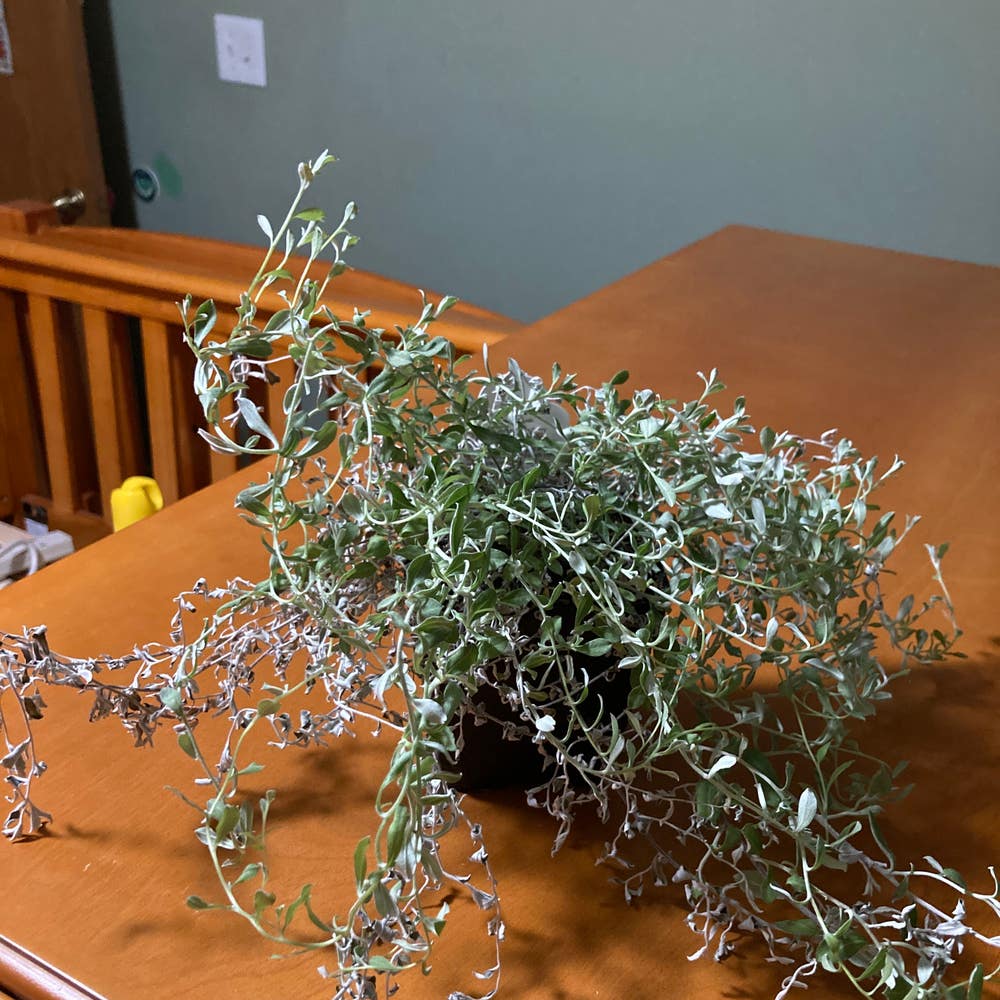
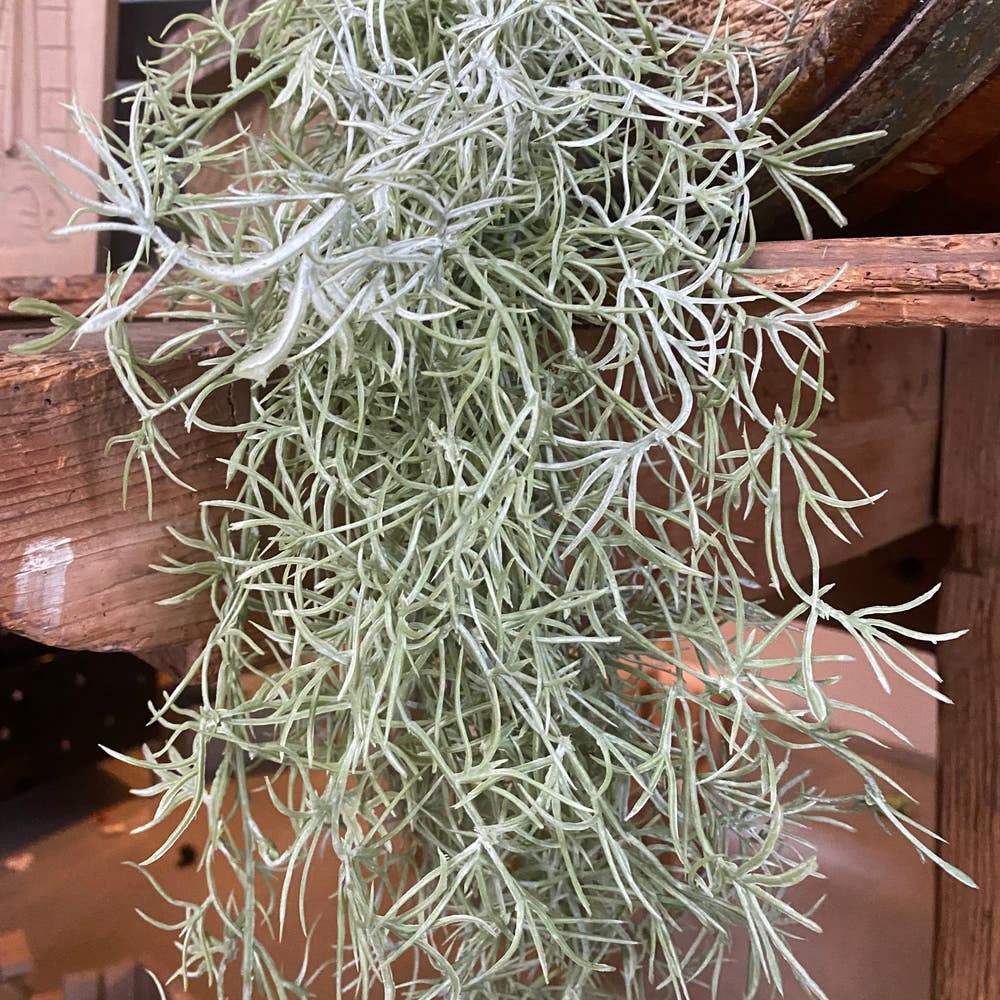
Why Are My Curry Plant Leaves Falling Over?
Helichrysum italicum
By the Greg Editorial Team
Feb 02, 2024•7 min read
This article was created with the help of AI so we can cover more plants for you. May contain errors. See one? Report it here.
Keep your Curry Plant thriving with these essential care tips—no more droopy leaves! 🌿✨
- Droopy leaves signal distress, check water balance and soil health.
- Right soil and pot ensure good drainage and prevent root harm.
- Regular care and observation keep your Curry Plant perky and healthy.
Spotting the Signs: When Your Curry Plant Needs Help
🌿 Identifying Droopy Leaves and Other Distress Signals
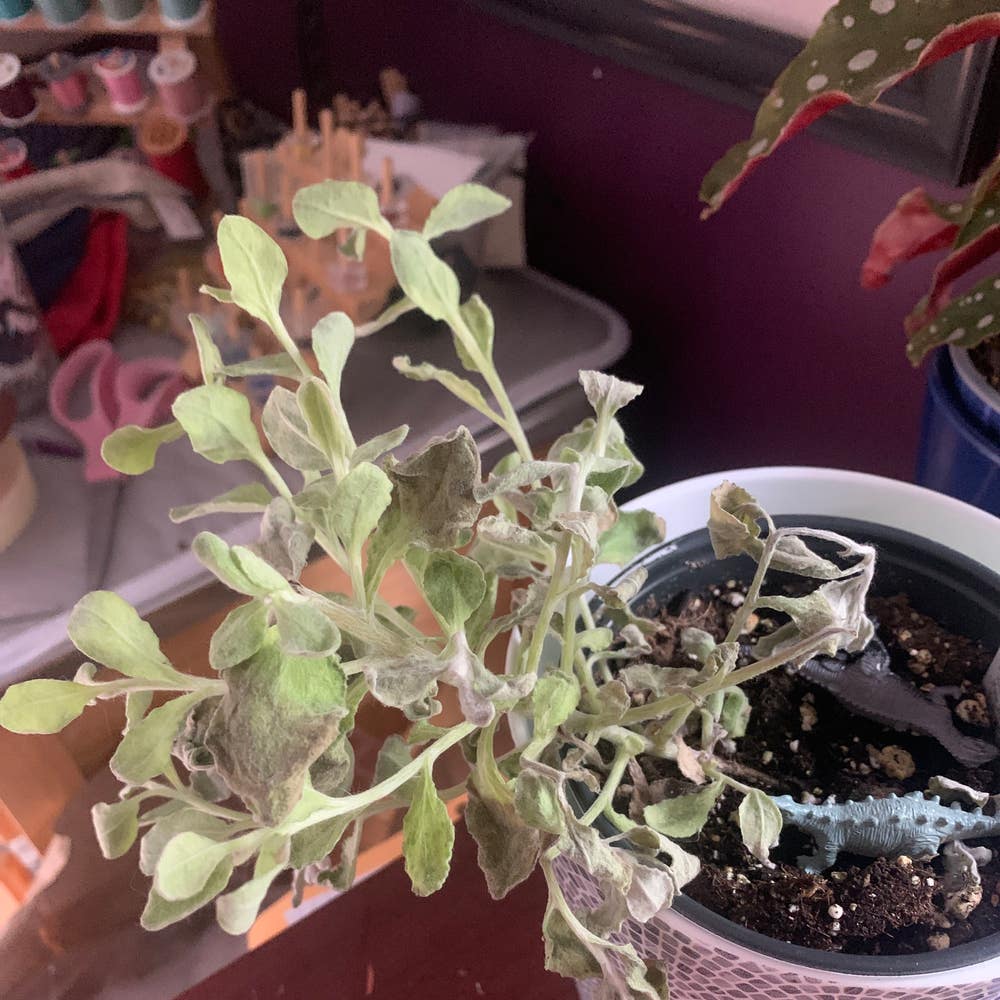
Droopy leaves are the plant's white flag in the battle for survival. They're a telltale sign that your Curry Plant is in distress, possibly shouting out for more water, less water, or a plea for better living conditions. Discoloration and leaf drop are like the plant's version of posting an SOS on social media—hard to miss and a clear call to action.
🌱 Quick Health Check: Assessing Soil Moisture and Root Condition
Roots are the unsung heroes, and their living conditions matter. If they're trying to escape the pot or turning into a mushy mess, it's a red flag. Healthy roots should be firm, not trapped or rotting. Soil moisture is another vital sign. Too wet, and you've got a swamp; too dry, and you're in the desert. Use the finger test—stick it in the soil up to the second knuckle. If it's dry, it's time to water; if it's wet, hold off on the H2O.
Watering Woes: Striking the Right Balance
💧 The Goldilocks Principle
Not too much, not too little, just right—that's the mantra for watering your Curry Plant. Overzealous watering leads to a soggy mess, while stinginess brings on drought stress. It's a delicate balance that requires attention and adaptation.
👆 The Finger Test and More
Trust your finger as a reliable tool. Plunge it an inch into the soil; if it's dry, it's time to water. If damp, wait it out. This simple test trumps any rigid schedule. For the tech-savvy, moisture meters or smart watering apps can take the guesswork out of the equation.
🌱 Adjusting to Your Plant's Needs
Your Curry Plant's thirst varies with environmental changes. Monitor and adapt—it's the key to successful watering. If the leaves droop despite correct moisture levels, consider other factors like light or temperature that might be influencing your plant's well-being.
Soil and Roots: The Foundation of a Healthy Curry Plant
🌧️ The Perils of Poor Drainage and Compacted Soil
Poor drainage is the silent killer of Curry Plants. When water can't escape, roots become waterlogged, leading to root rot—a fast track to a wilted, lifeless plant. Compacted soil is just as bad, squeezing the life out of roots by preventing essential air flow.
How to Create the Perfect Home
Choosing the right soil mix is crucial. Aim for a blend that's the botanical equivalent of a breathable cotton t-shirt—light, airy, and moisture-wicking. A mix of one part organic potting soil, one part perlite, and a dash of orchid bark or coarse sand usually does the trick.
🏺 Pot Selection
Don't just grab any pot; drainage holes are non-negotiable. They're the escape route for excess water, so make sure your pot isn't holding water hostage. Think of it as choosing a house with enough doors and windows—your plant's roots need those exits.
🌱 Soil Ingredients
Mix it up with organic matter like compost to keep the soil nutrient-rich and well-aerated. It's like giving your plant a five-star hotel experience with all the amenities—it deserves no less.
DIY or Store-Bought?
Whether you're a do-it-yourselfer or prefer the grab-and-go method, the goal is the same: well-draining soil. If you're crafting your own mix, remember it's like making a cocktail—get the proportions right. If you're buying, scrutinize labels like you're deciphering a secret code. Look for terms like "well-draining" and "aerated."
Regular Maintenance
Keep an eye on the soil's condition. Over time, even the best soil can become compacted or depleted. Fluff it up now and then, and don't be stingy with the organic matter. It's like a spa day for your plant's roots—they'll thank you with robust growth.
Remember, the right soil and pot are more than just a home for your Curry Plant—they're its lifeline. Get these right, and you're on your way to a plant that stands tall and proud.
Feeding Your Curry Plant: Nutrients It Can't Live Without
🌱 Spotting the Signs of Nutrient Deficiency
Your curry plant's leaves are drooping; they've got that "haven't had my coffee yet" look. It's a telltale sign that your green buddy could be lacking in the nutrient department. Keep an eye out for wilted leaves, stunted growth, or a general vibe of "I'm not feeling it." These are your plant's way of saying, "Feed me, but with the good stuff."
🥦 The Balanced Diet: Selecting the Right Fertilizer
Choosing the right fertilizer is like picking out snacks for movie night: you want a mix that hits all the right spots. Go for a balanced N-P-K ratio, but don't let the numbers get too wild. A higher nitrogen content is like a protein shake for your curry plant, helping it grow lush and strong.
⏰ Fertilizer Schedule
Timing is everything. Like watering your plant before a fertilizer feast, it's all about prep. During the growing season (spring and summer), treat your curry plant to a balanced, water-soluble fertilizer every 4-6 weeks. When winter rolls around, it's time to put the fertilizer away—your plant is hibernating, not hitting the gym.
🌿 Slow-Release Fertilizers
If you're the type who forgets birthdays, slow-release fertilizers are your saving grace. They're the crockpot of plant care—set it and forget it. These granules or pellets break down over time, giving your plant a steady stream of nutrients without the risk of overdoing it.
⚠️ Over-Fertilization: A Cautionary Tale
Over-fertilizing is like double-dipping in the guacamole—it's just too much. You'll see the evidence in scorched leaves or a crusty layer of salt on the soil. Stick to the script—follow the manufacturer's instructions and avoid turning your plant's home into a toxic wasteland.
Remember, feeding your curry plant is less about a rigid regimen and more about reading the room. Adjust your approach based on how your plant reacts because, at the end of the day, it's the plant's world—you're just living in it.
Keeping Your Curry Plant Perky: Prevention and Quick Fixes
💧 Routine Care Tips
Consistency is key in preventing your Curry Plant's leaves from drooping. Establish a care routine that includes regular watering, ensuring the soil is moist but not soggy. Check the soil before watering; if the top inch is dry, it’s time for a drink.
🌞 Environmental Factors
Keep an eye on temperature and lighting. Curry Plants enjoy moderate temperatures and bright, indirect light. Avoid placing your plant in drafty areas or in the scorching direct sun.
🌱 Soil and Fertilizer Checks
Well-draining soil is a must to prevent root rot. Use a mix that allows water to flow freely. Fertilize with a balanced, slow-release fertilizer as per package instructions, but don't overdo it.
🐜 Pest and Disease Vigilance
Inspect regularly for pests and diseases. A monthly maintenance regimen that includes a hard spray on the leaves can help prevent scale and other pests.
✂️ Pruning for Health and Posture
Prune your Curry Plant to maintain shape and encourage airflow, which can help prevent disease. Pruning also promotes new growth, keeping your plant looking full and healthy.
🍂 First-aid for Fallen Leaves
If leaves are already drooping, assess the soil moisture first. For dry soil, water the plant; if wet, hold off and adjust your watering schedule. Check for pests, and ensure the plant is getting the right amount of light. If all else fails, consider repotting with fresh, well-draining soil.
⚠️ Safety First
This content is for general information and may contain errors, omissions, or outdated details. It is not medical, veterinary advice, or an endorsement of therapeutic claims.
Always consult a qualified healthcare professional before using any plant as food, medicine, or supplement.
Never eat any plant (or feed one to pets) without confirming its identity with at least two trusted sources.
If you suspect poisoning, call Poison Control (800) 222-1222, the Pet Poison Helpline (800) 213-6680, or your local emergency service immediately.
Spotted an error? Please report it here.
Prevent droopy Curry Plant leaves by letting Greg orchestrate your watering routine 🎵, ensuring your plant stays perky with the perfect moisture balance and care tips!