🍛 8 Outdoor Care Tips for Curry Plant
Helichrysum italicum
By the Greg Editorial Team
Oct 17, 2024•5 min read
This article was created with the help of AI so we can cover more plants for you. May contain errors. See one? Report it here.
Cultivate thriving curry plants 🌱 with essential tips on sunlight, watering, and seasonal care for vibrant growth!
- ☀️ Curry plants need 6-8 hours of sunlight daily for optimal growth.
- 🌬️ Shelter from strong winds and ensure proper spacing for air circulation.
- 💧 Water when soil is dry; yellow leaves indicate overwatering, drooping means underwatering.
Sunlight and Location
Ideal Sunlight Conditions for Outdoor Growth 🌞
Curry plants thrive in full sun, requiring 6-8 hours of direct sunlight daily. Without enough sunlight, you may notice stunted growth and a decline in the plant's aromatic leaves.
Choosing the Right Location in Your Garden 🏡
Selecting the right spot in your garden is crucial. Ensure your curry plant is sheltered from strong winds to prevent damage.
Avoid overcrowding by placing it away from other plants. This promotes adequate air circulation, which is vital for healthy growth.
Consider microclimates in your garden. Areas that retain warmth and moisture can significantly enhance your curry plant's development.
By paying attention to sunlight and location, you set the stage for a thriving curry plant. Next, let’s dive into the watering requirements to keep your plant hydrated and healthy.
Watering Requirements
Frequency and Amount of Watering 🌊
Curry plants thrive when watered correctly. A good rule of thumb is to water when the top inch of soil feels dry.
For optimal growth, aim for deep watering, providing about 1-2 inches of water per week. This encourages robust root development, which is essential for a healthy plant.
Signs of Overwatering and Underwatering 🚨
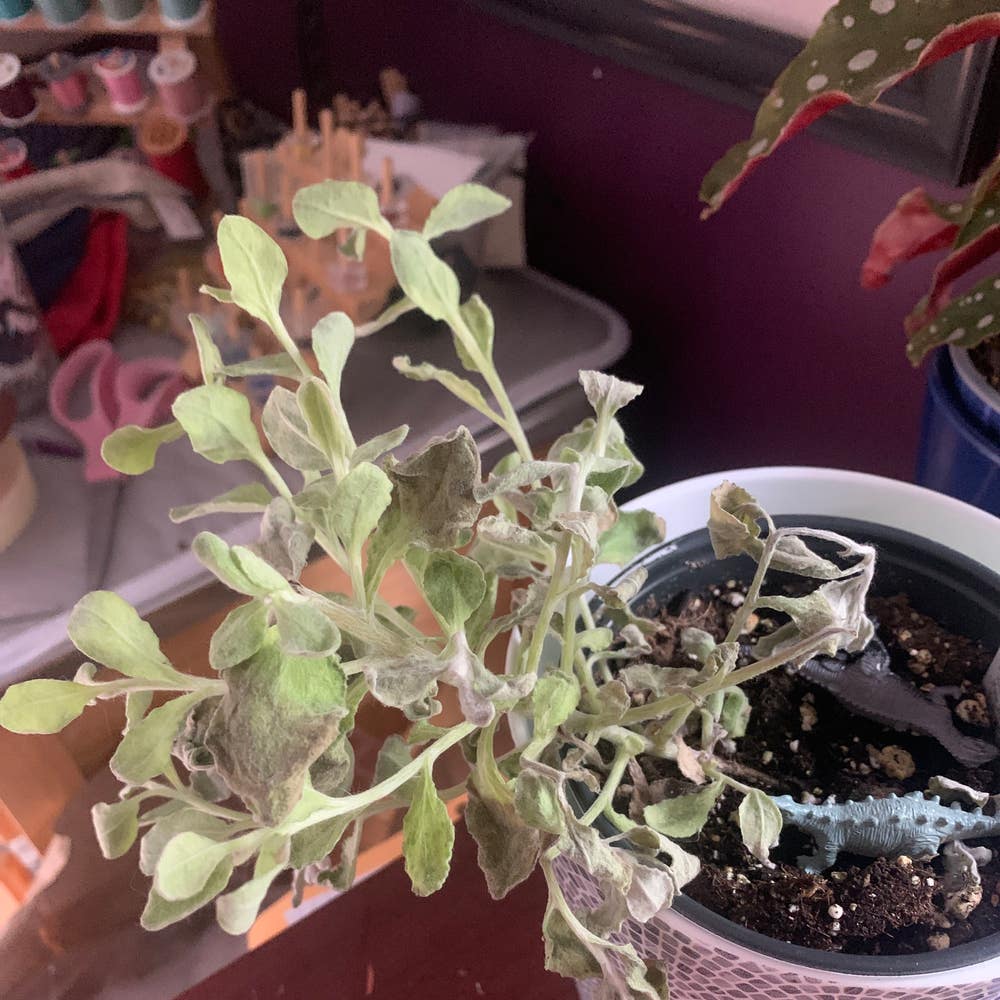
Knowing the signs of overwatering can save your curry plant from distress. Look for yellowing leaves, root rot, and wilting as clear indicators that you might be giving it too much water.
On the flip side, underwatering can also harm your plant. Drooping leaves, dry soil, and leaf drop signal that your curry plant needs a drink.
By keeping an eye on these signs, you can maintain a healthy watering routine that supports your curry plant's growth. Next, let’s explore the best soil types and fertilization methods to keep your plant thriving.
Soil and Fertilization
Best Soil Types for Curry Plant 🌱
Curry plants thrive in well-draining soil with a slightly acidic to neutral pH, ideally between 6.0 and 7.0. To enhance drainage and nutrient availability, consider incorporating organic matter like compost into your soil mix.
Recommended Fertilizers and Feeding Schedule 🌿
During the growing season, fertilize your curry plant every 4-6 weeks to keep it healthy and vibrant. A balanced NPK fertilizer, such as 10-10-10, or organic options like fish emulsion can provide the necessary nutrients for robust growth.
With the right soil and fertilization practices, your curry plant will flourish, setting the stage for the next essential care tips: planting options.
Planting Options
Benefits and Drawbacks of Container Planting 🌱
Container planting offers several advantages for your curry plant. You gain mobility, allowing you to reposition your plant for optimal sunlight or protection from harsh weather.
However, there are some drawbacks to consider. Limited root space can restrict growth, and containers may dry out quickly, requiring more frequent watering.
Benefits and Drawbacks of Planting in the Ground 🌍
Planting your curry plant directly in the ground provides ample space for growth. This method also enhances moisture retention, which is crucial for healthy development.
On the flip side, ground planting comes with its own set of challenges. Your plant may become vulnerable to soil-borne pests and diseases, which can be harder to manage than those in containers.
Understanding these options will help you make an informed decision that suits your gardening style and environment. Next, let’s explore how to protect your curry plant from weather extremes and pests.
Protection from Weather and Pests
🌞 Strategies for Weather Protection
Extreme Heat
Curry plants thrive in warm conditions, but extreme heat can stress them. To combat this, apply a 2-3 inch layer of organic mulch around the base to retain moisture and keep roots cool.
Using shade cloth during peak sun hours can also prevent leaf scorch. This simple addition can make a significant difference in maintaining plant health.
Frost Protection
When temperatures drop, curry plants need extra care. Cover them with frost cloths or blankets during cold snaps to shield them from harsh conditions.
For container plants, moving them indoors or to a sheltered location can provide the protection they need. This flexibility is one of the perks of container gardening.
🐛 Common Outdoor Pests and How to Manage Them
Outdoor pests can pose a challenge for curry plants. Aphids are a common nuisance; look for curled leaves as a telltale sign. Control them effectively with insecticidal soap.
Whiteflies can also be problematic, often causing yellowing leaves. Using yellow sticky traps helps monitor their presence and manage infestations before they escalate.
🦠 Disease Prevention Tips for Outdoor Curry Plants
Preventing diseases is crucial for healthy curry plants. Regular inspections are key; check for signs of fungal infections or pests to catch issues early.
Proper spacing between plants ensures adequate air circulation, which helps prevent mildew. A little attention goes a long way in keeping your curry plants thriving.
With these protective measures in place, your curry plants will be better equipped to handle the elements and pests. Next, let's explore how to adjust your care practices with the changing seasons.
Seasonal Care
Adjusting Care Practices with Seasonal Changes 🌱
As the seasons shift, so should your care routine for your curry plant.
Spring is the time to ramp up watering and fertilization as growth kicks into high gear.
In summer, keep a close eye on pests and ensure your plant has consistent moisture to thrive.
When fall arrives, prepare for cooler temperatures by reducing your watering frequency, allowing the plant to adjust gradually.
Special Considerations for Different Climate Zones 🌍
If you're in a tropical zone, your curry plant will need minimal protection. Focus on regular watering to keep it happy and healthy.
For those in temperate zones, frost protection becomes crucial. Adjust your planting times and be ready to shield your plants from unexpected cold snaps.
By tailoring your care to the seasons and your specific climate, you’ll set your curry plant up for success all year round.
⚠️ Safety First
This content is for general information and may contain errors, omissions, or outdated details. It is not medical, veterinary advice, or an endorsement of therapeutic claims.
Always consult a qualified healthcare professional before using any plant as food, medicine, or supplement.
Never eat any plant (or feed one to pets) without confirming its identity with at least two trusted sources.
If you suspect poisoning, call Poison Control (800) 222-1222, the Pet Poison Helpline (800) 213-6680, or your local emergency service immediately.
Spotted an error? Please report it here.
Nurture your curry plant to culinary perfection 🌱 with Greg's tailored watering alerts and expert tips, ensuring it thrives in your garden all season long!