Why Are My Curry Plant Leaves Curling?
Helichrysum italicum
By the Greg Editorial Team
Jun 18, 2024•5 min read
This article was created with the help of AI so we can cover more plants for you. May contain errors. See one? Report it here.
Unravel the mystery behind your curry plant's leaf curling and revive its vigor! 🌿
- Curling leaves signal distress; look for discoloration and necrotic spots.
- Adjust environment and watering to prevent and address leaf curling.
- Combat pests and diseases with natural remedies like neem oil and Bt spray.
Spot the Signs: Identifying Leaf Curling in Your Curry Plant
🍃 Visual Symptoms of Leaf Curling
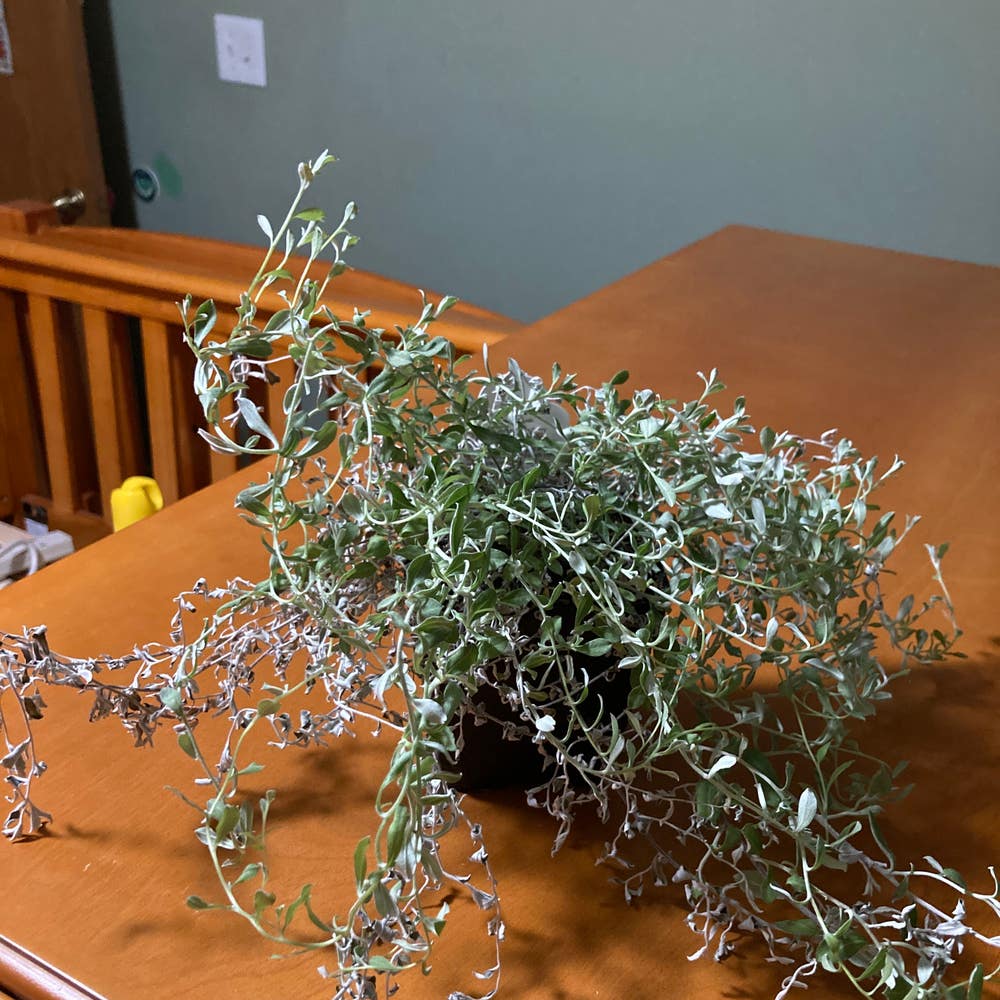
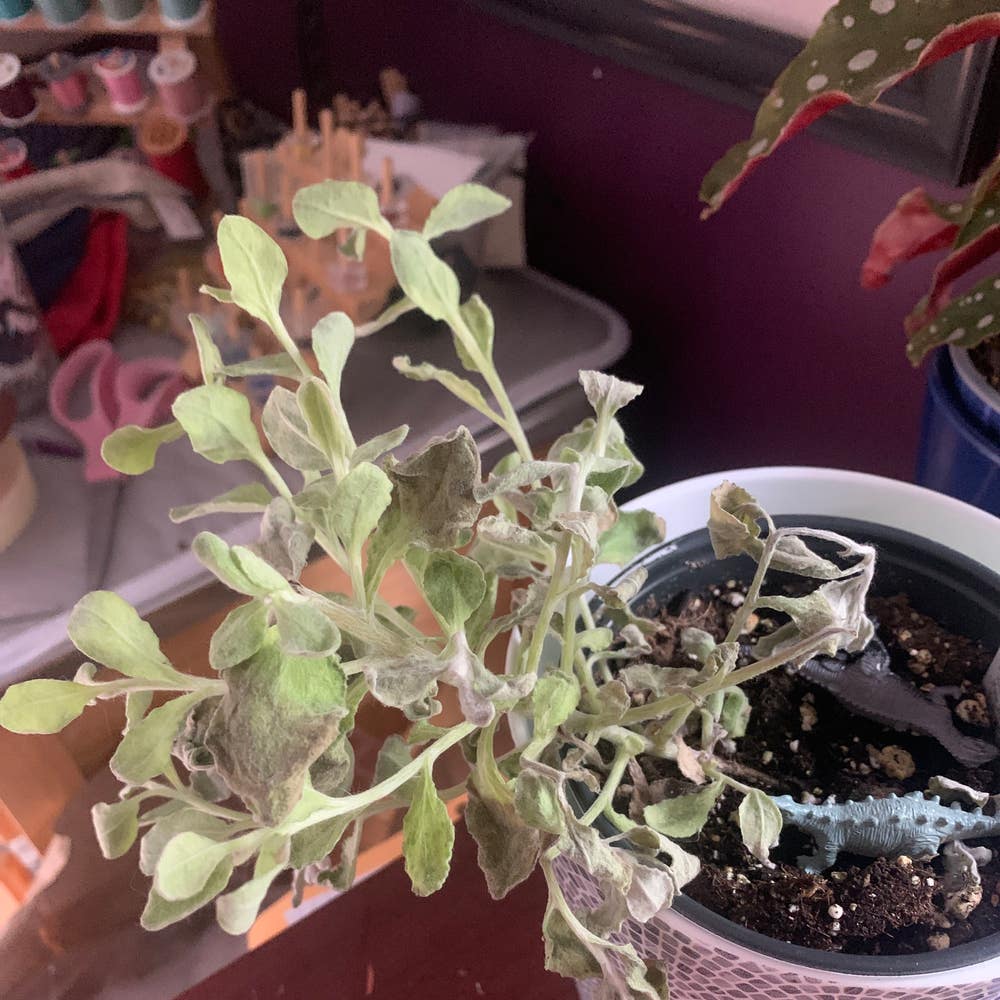
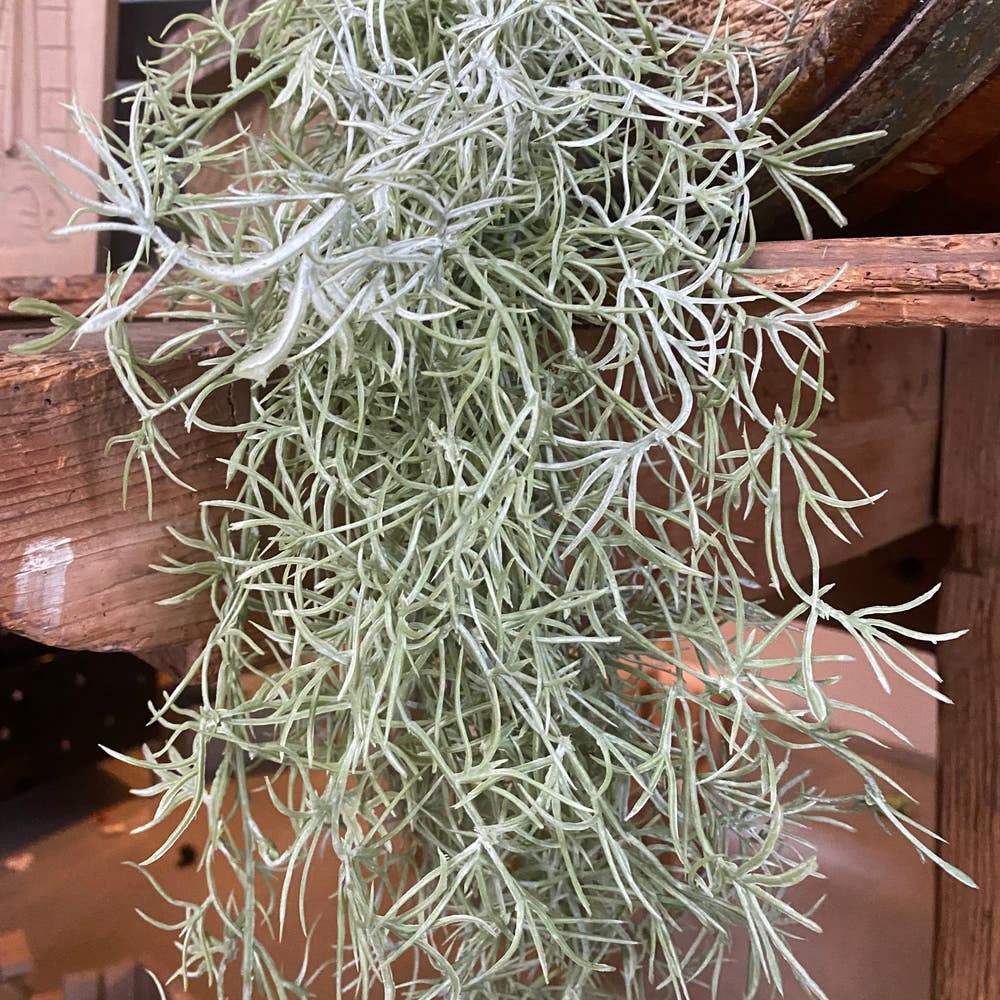
Curry plant leaves should be flat and vibrant, but curling leaves are a cry for help. If you spot leaves with edges twisting or rolling inward, it's time to act. Discoloration is another red flag; watch for leaves turning from green to a dull, faded color. Necrotic spots, those dead tissue blotches, are a clear SOS signal.
🚨 Immediate Actions
When you notice leaf curling, don't panic—act. Check the soil moisture; if it's a swamp, let it dry out. If it's dry as a bone, water your plant. Remove damaged leaves to focus the plant's energy on the healthy ones. Keep the plant in a consistent environment to avoid stress. Remember, your quick response can turn the tide for your curry plant's health.

Rooting Out the Causes: What's Making Your Curry Plant Leaves Curl?
🌡️ Environmental Factors
Temperature extremes are a common villain in the leaf-curling drama. Curry plants throw a fit when it's too hot, curling up to avoid water loss. Light can be just as tricky; too much of it prompts a chemical tantrum, resulting in curled leaves. And let's not forget humidity—or the lack thereof—adding its own twist to the plot.
To dodge these environmental bullets, keep your curry plant in a Goldilocks zone: not too hot, not too bright, and just moist enough. If your indoor climate resembles a desert or a sauna, it's time to recalibrate. Fans or shades can be your best allies here.
💧 Water Woes
Overwatering is like giving your plant an unwanted bath, while underwatering is akin to a forced drought. Both are surefire ways to make your curry plant's leaves curl up in distress.
Here's the watering gospel: check the soil before you water. If it's damp, hold off on the H2O. If it's dry, it's time to quench your plant's thirst. Remember, your curry plant is not a camel; it can't store water for the dry spells. Nor is it a fish; soggy roots are a no-go.
Watering routines are more art than science. Adjust according to the season, and watch your plant like a hawk. If the leaves perk up after watering, you're on the right track. If they continue their curly rebellion, it's time to rethink your strategy.

Pests, Pathogens, and Plant Health
🐛 Common Culprits
Pests and diseases can turn your curry plant's leaves into a crinkled mess. Spider mites are tiny terrors, causing leaves to curl as they feast. Aphids are no better, leaving a sticky mess and potential sooty mold. Powdery mildew is a fungal sneak attack, dusting leaves with a white film before they curl and wither. Regular inspections are key—flip those leaves and get up close and personal to spot these villains.
🔍 Signs of Infestation or Infection
Look out for webbing under leaves, a classic sign of spider mites. Aphids are betrayed by their sticky residue. Fungal infections like powdery mildew will leave a telltale white coating. If your plant's leaves look like they've been through a paper shredder, caterpillars might be munching away. Spot these symptoms? Time to act.
🌿 Fight Back Naturally
For an eco-friendly counterattack, neem oil is your go-to. It's a broad-spectrum hitman against pests. Got caterpillars? Bt spray (Bacillus thuringiensis) is a biological warfare agent that's safe for everything but them. Fungal foes? Improve airflow and keep those leaves dry. Prevention is your best defense—quarantine new plants and keep the old ones clean. If all else fails, unleash the ladybugs; they're like the pest control ninjas of the garden world.

Feeding Your Curry Plant Right
🌱 Nutrient Know-How
When your curry plant's leaves start to look more like party streamers than lush foliage, nutrient deficiency could be the culprit. Yellowing leaves might be crying out for nitrogen, while crispy edges could be whispering "potassium, please." It's a matter of playing plant detective—each symptom hints at what's missing from your plant's diet.
To keep your curry plant from going on a hunger strike, choose a balanced fertilizer. Think of it as a meal plan tailored to your plant's needs, ensuring it gets all the essential nutrients without overindulging. Remember, over-fertilizing can lead to a condition akin to plant obesity, so moderation is key.
🌱 Soil Solutions
Your curry plant's soil should be the equivalent of a five-star restaurant—top-notch quality that caters to its specific needs. Ideal soil for a curry plant is well-drained and slightly acidic, with a pH sweet spot between 5.55 and 6.06. If your plant's leaves are sporting unsightly spots, it's a red flag that your soil might be part of the problem.
Improving soil quality is like upgrading your plant's dining experience. Amendments such as sand or manure can transform subpar soil into a gourmet growing medium. Regular soil testing is like a health check-up, giving you the inside scoop on what amendments your plant's soil might be craving.
⚠️ Safety First
This content is for general information and may contain errors, omissions, or outdated details. It is not medical, veterinary advice, or an endorsement of therapeutic claims.
Always consult a qualified healthcare professional before using any plant as food, medicine, or supplement.
Never eat any plant (or feed one to pets) without confirming its identity with at least two trusted sources.
If you suspect poisoning, call Poison Control (800) 222-1222, the Pet Poison Helpline (800) 213-6680, or your local emergency service immediately.
Spotted an error? Please report it here.
Combat those troubling curling leaves and get your curry plant back to thriving 🍃 with the pinpointed guidance from Greg, based on the insights from this article.