What Temperature Does My Curry Plant Need?
Helichrysum italicum
By the Greg Editorial Team
Feb 02, 2024•3 min read
This article was created with the help of AI so we can cover more plants for you. May contain errors. See one? Report it here.
Discover the secret to a lush Curry Plant 🌿 by nailing the 65°F-85°F sweet spot! 🌡️
- 🌡️ 65°F to 85°F ideal for Curry Plant's Mediterranean needs.
- Wilting or discolored leaves? Check and adjust temperature.
- Consistent temperature and humidity keep your plant healthy.
Spotting the Signs of Temperature Trouble
🥵 Wilting Woes
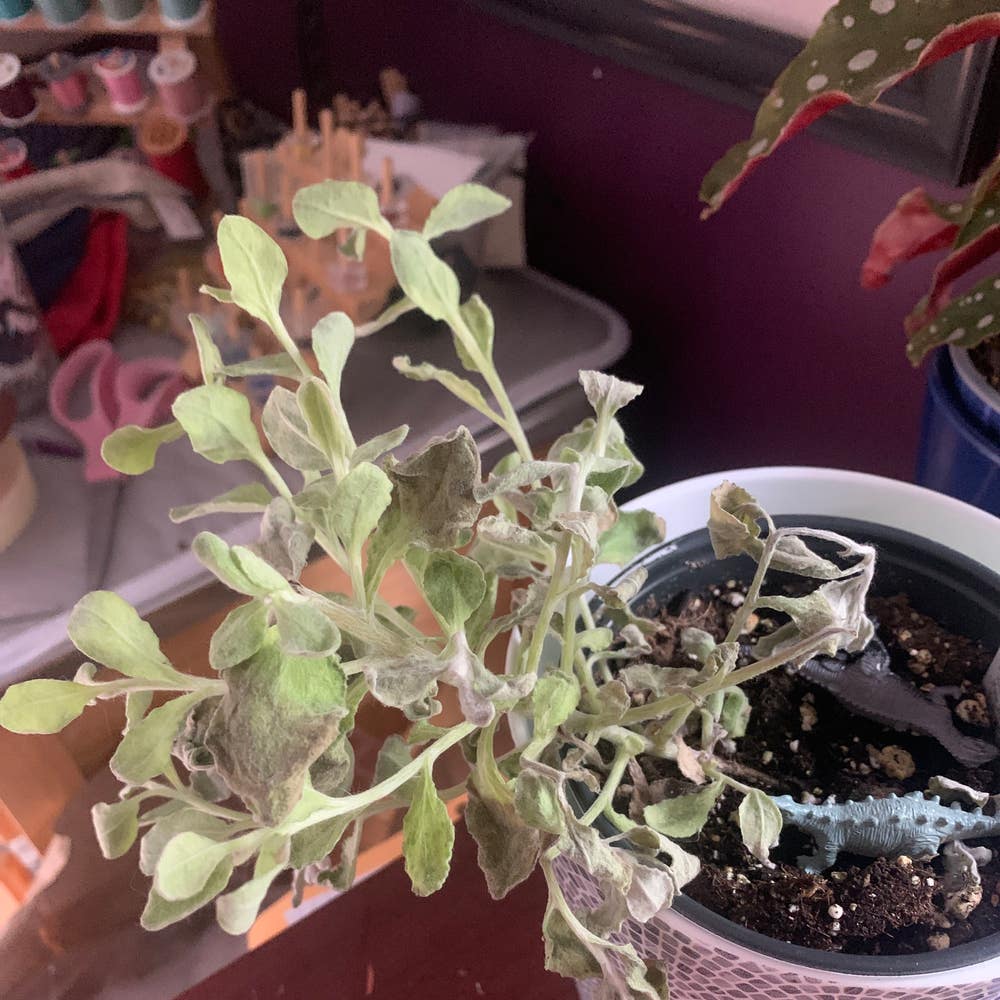
Wilting leaves on a Curry Plant scream temperature distress. If they droop like overcooked spaghetti, it's likely too hot. Conversely, leaves that feel like a damp cloth might indicate a cold snap. It's a plant's version of sending out an SOS.
🎨 Color Clues
Leaf discoloration is like a mood ring for your Curry Plant. Yellow leaves could mean it's too chilly; brown, crispy edges hint it's baking in the heat. Pay attention to these color changes—they're key in dialing in the right temperature.
🌱 Growth Gripes
Stunted growth is the silent treatment from your Curry Plant, telling you the temperature isn't right. If it's growing slower than a snail on a leisurely stroll, it's time for a temperature intervention.
Keeping It Just Right: The Ideal Temperature Sweet Spot
🏝️ Mediterranean Mimicry
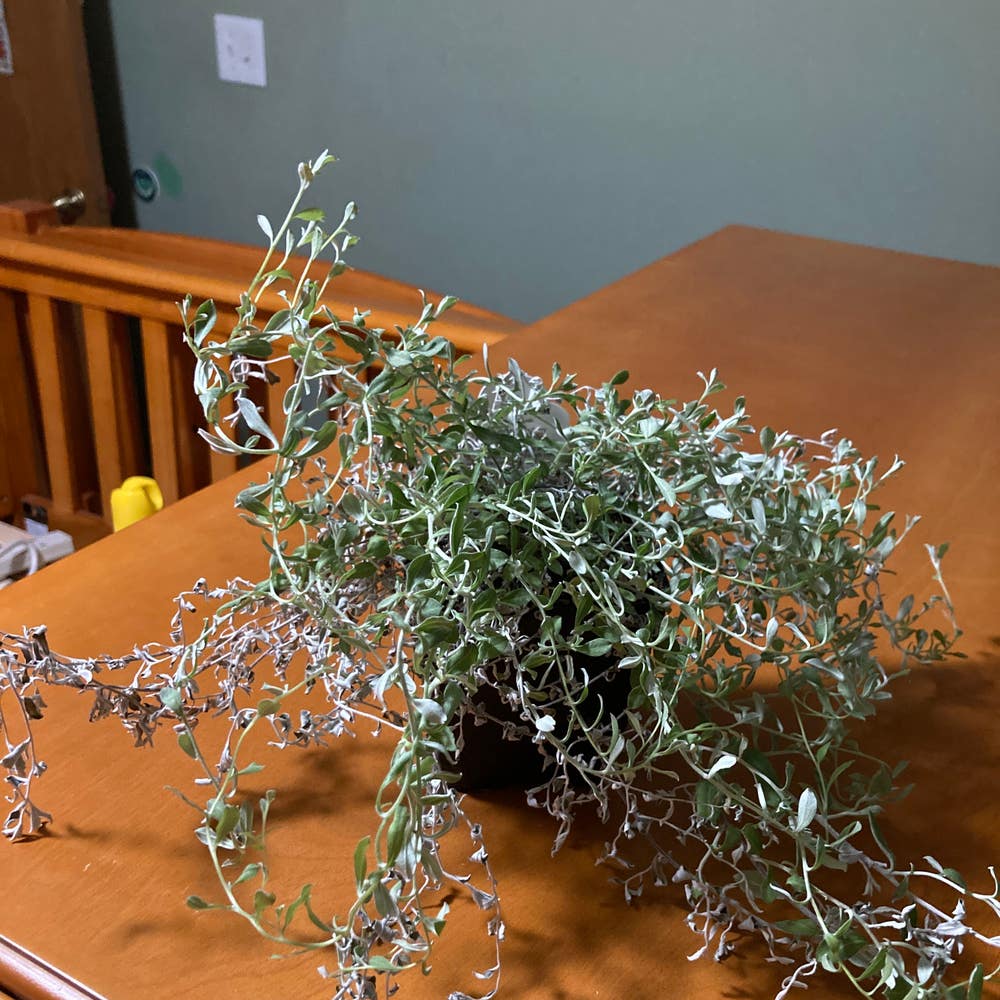
To recreate the Curry Plant's native Mediterranean climate, aim for a temperature range between 65°F and 85°F (18°C to 29°C). This is the sweet spot where your plant will thrive, producing lush leaves and robust growth.
🗝️ Consistency is Key
Steady temperatures are the secret to a happy Curry Plant. Avoid placing your plant near drafty windows or heat sources that could cause sudden temperature changes. Consistency in temperature not only prevents stress but also encourages a stable and healthy growth pattern.
When the Heat is On: Protecting Your Plant from Temperature Extremes
🌞 Summer Sizzle
The Curry Plant thrives in warmth, but when the summer turns up the heat, it's time to act. Shade is your plant's best friend during a heatwave. A shade cloth or even a temporary umbrella can prevent leaf scorch. Watering should be deep yet infrequent, promoting a robust root system. And remember, the goal is to keep the soil moist, not create a mini swamp.
❄️ Winter Warnings
Winter's chill demands a different kind of vigilance. Insulation is the name of the game. Wrap your Curry Plant in bubble wrap or use a plant cloche to fend off frost. A simple bed sheet can also add a few degrees of warmth, which might be just enough. If you're feeling medieval, straw or plastic coverings can create a snug microclimate. And when Jack Frost really comes knocking, consider a burn barrel or patio heater for your green knights in the garden.
A Quick Nod to Humidity
💦 Humidity's Supporting Role
Humidity is the sidekick to temperature for your Curry Plant, playing a crucial but often overlooked role in its well-being.
💧 The Ideal Humidity Range
Aim for a humidity level around 50% to keep your Curry Plant from experiencing the leaf curl of arid deserts or the fungal parties of a rainforest.
🌦 Seasonal Humidity Swings
Seasonal changes can wreak havoc on indoor humidity levels, so stay vigilant and be ready to adjust.
💨 Humidity Hacks
Grouping plants together can create a mini ecosystem of moisture, while a humidifier might be your go-to gadget during the dry winter months.
🌡 Monitoring Made Easy
Don’t play guessing games with humidity; a hygrometer is your truth-teller, ensuring you maintain that perfect moisture balance.
💧 The Hydration Buddy
Remember, humidity is your plant’s hydration buddy. Too little, and you get the dreaded crispy leaf syndrome; too much, and you’re on the fast track to root rot.
🌍 Real-World Adjustments
Keep an eye on the weather, not just for small talk, but to preempt any sudden humidity swings that could stress out your Curry Plant.
⚠️ Safety First
This content is for general information and may contain errors, omissions, or outdated details. It is not medical, veterinary advice, or an endorsement of therapeutic claims.
Always consult a qualified healthcare professional before using any plant as food, medicine, or supplement.
Never eat any plant (or feed one to pets) without confirming its identity with at least two trusted sources.
If you suspect poisoning, call Poison Control (800) 222-1222, the Pet Poison Helpline (800) 213-6680, or your local emergency service immediately.
Spotted an error? Please report it here.
Ensure your Curry Plant enjoys its ideal Mediterranean climate 🌞 with Greg's custom care reminders to maintain the perfect 65°F to 85°F range and 50% humidity from the tips in this article!