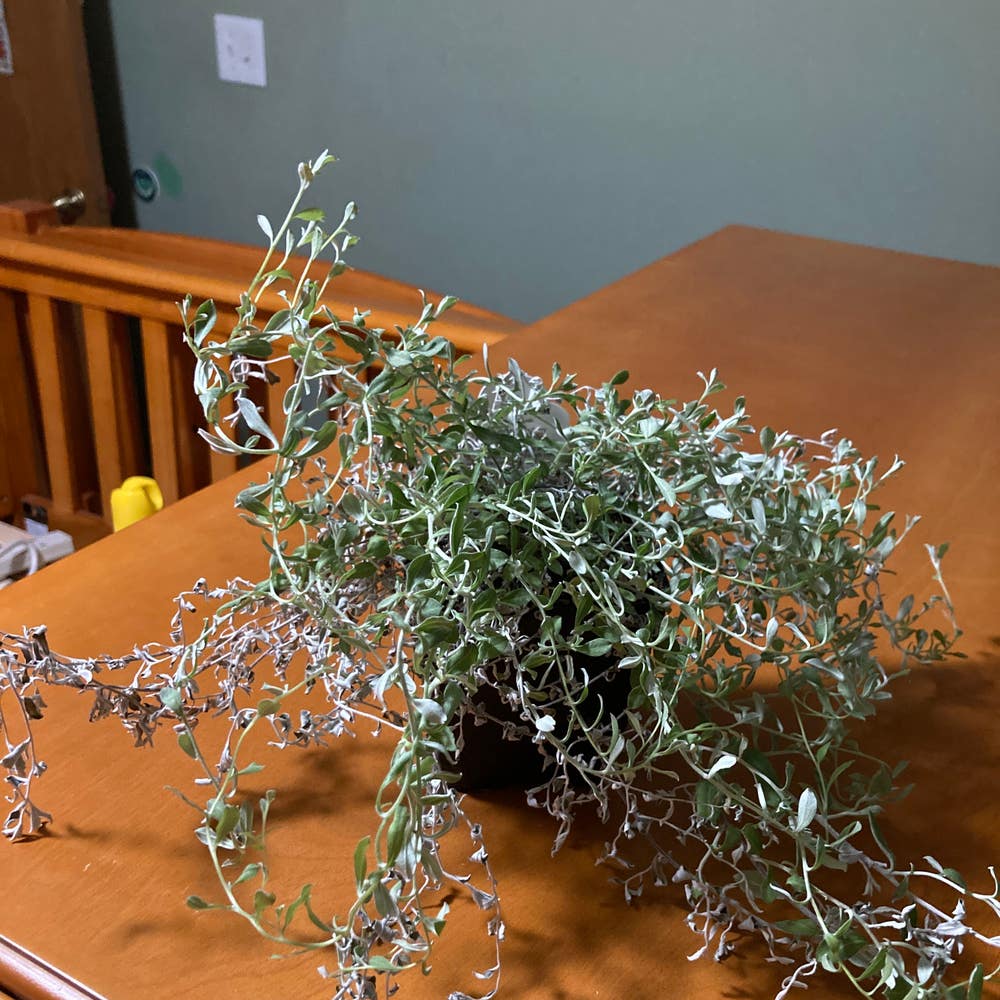
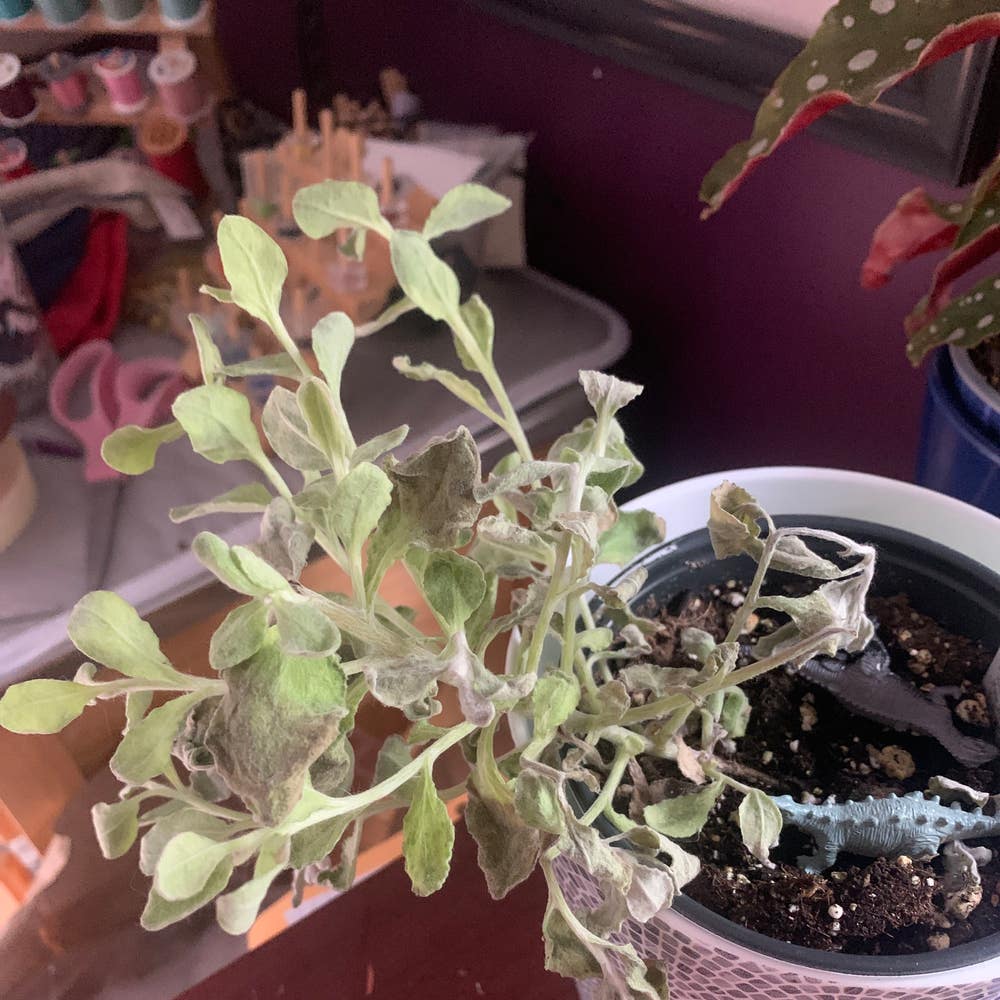
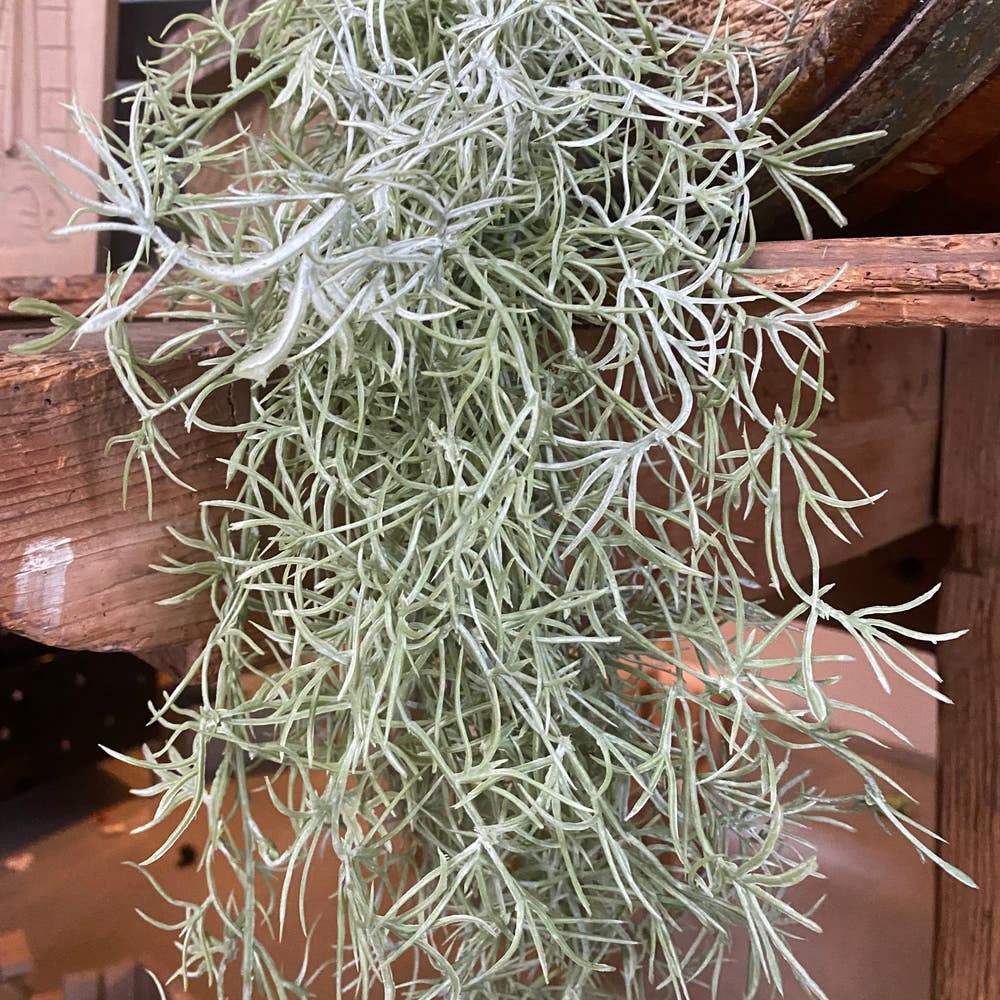
Curry Plant Hardiness Zones: 7a-10b 🍛
Helichrysum italicum
By the Greg Editorial Team
Oct 17, 2024•4 min read
This article was created with the help of AI so we can cover more plants for you. May contain errors. See one? Report it here.
Master curry plant care 🌱 by understanding their temperature tolerance and ideal growing conditions for vibrant growth!
- 🌱 Curry plants thrive in USDA zones 7a to 10b for optimal growth.
- ❄️ Protect from frost by planting after the last frost date in spring.
- ☀️ Full sun exposure of 6-8 hours daily is crucial for healthy growth.
Curry Plant Temperature Tolerance
❄️ Cold Tolerance and Temperature Ranges
Curry plants thrive in USDA Zones 7a to 10b, where temperatures can dip between 0°F to 30°F (-18°C to -1°C). To ensure healthy growth, it's crucial to protect them from frost, making spring planting after the last frost date ideal.
For those in colder climates, consider using row covers or greenhouses. These practices can significantly enhance your curry plant's chances of survival during chilly nights.
☀️ Heat Tolerance and Temperature Ranges
Curry plants can handle temperatures soaring up to 100°F (38°C), but they truly prefer a more moderate heat. Extreme temperatures can lead to wilting and stress, emphasizing the need for adequate watering and mulching.
Proper hydration and a good layer of mulch can help mitigate the effects of intense heat. This way, your curry plant remains vibrant and healthy, even during the hottest days.
With a solid understanding of temperature tolerance, you're well on your way to cultivating a thriving curry plant. Next, let’s explore the ideal growing regions where these plants can flourish.
Ideal Growing Regions for Curry Plant
🌍 Examples of US States in Suitable Zones
Curry plants thrive in USDA Zones 7a to 10b, making states like California, Texas, Florida, and parts of Arizona ideal for cultivation. Within these states, coastal areas, fertile valleys, and regions boasting Mediterranean climates offer optimal conditions for growth.
🌡️ Factors Contributing to Ideal Growing Conditions
The climate in these regions typically features warm temperatures and low humidity, which are perfect for curry plants.
- Soil Requirements: They prefer sandy or loamy soils that drain well, preventing root rot.
- Sunlight Exposure: Full sun, ideally 6-8 hours daily, is crucial for their optimal growth.
Understanding these factors can significantly enhance your chances of successfully growing a healthy curry plant. With the right conditions, you can enjoy the vibrant flavors and aromas that this unique plant brings to your garden.
As we explore further, let’s dive into the fascinating world of microclimates and how they can impact your curry plant's growth.
Microclimates and Their Impact
🌍 Definition and Importance of Microclimates
Microclimates are small, localized areas where climate conditions differ from the surrounding environment. They can provide unique opportunities for growing plants, including the curry plant, outside their typical hardiness zones.
🌱 How Microclimates Affect Curry Plant Growth
Microclimates can take many forms, such as urban heat islands, sheltered gardens, and south-facing slopes. These areas can significantly benefit the curry plant by extending the growing season, reducing frost risk, and improving heat retention.
In urban settings, buildings and pavement can create warmer conditions, allowing curry plants to thrive. Sheltered gardens can protect them from harsh winds and frost, while south-facing slopes capture more sunlight, enhancing growth.
Understanding microclimates is essential for gardeners looking to maximize their curry plant's potential. By leveraging these localized conditions, you can create an ideal environment for your plants, ensuring they flourish even in less-than-perfect climates.
As we explore the ideal growing regions for the curry plant, consider how these microclimates can influence your gardening success.
State-Level Analysis
States in Hardiness Zones 7a-10b Suitable for Curry Plant 🌱
Curry plants thrive in USDA hardiness zones 7a to 10b, making several states ideal for their growth. Notable states include California, Texas, Florida, Louisiana, and parts of Arizona.
These regions boast favorable climate conditions, including warm temperatures and minimal frost risk. Additionally, they typically have the appropriate soil types, which support the curry plant's growth and health.
States Outside Suitable Zones and Reasons Why 🚫
While many states are perfect for curry plants, some are not. North Dakota, Minnesota, Maine, and parts of Montana fall outside the suitable zones.
The reasons for this unsuitability include extreme cold temperatures and prolonged frost periods. These conditions pose significant challenges, such as frost damage and a limited growing season, making it difficult for curry plants to thrive.
Understanding these factors can help gardeners make informed decisions about where to plant their curry plants, ensuring a successful growing experience.
⚠️ Safety First
This content is for general information and may contain errors, omissions, or outdated details. It is not medical, veterinary advice, or an endorsement of therapeutic claims.
Always consult a qualified healthcare professional before using any plant as food, medicine, or supplement.
Never eat any plant (or feed one to pets) without confirming its identity with at least two trusted sources.
If you suspect poisoning, call Poison Control (800) 222-1222, the Pet Poison Helpline (800) 213-6680, or your local emergency service immediately.
Spotted an error? Please report it here.
Grow your curry plants successfully in zones 7a-10b by leveraging Greg's tailored care tips and reminders for optimal growth conditions 🌿, ensuring they thrive in the right soil and sunlight while staying protected from frost!