Why Are My Curry Plant Leaves Mushy?
Helichrysum italicum
By the Greg Editorial Team
Feb 02, 2024•4 min read
This article was created with the help of AI so we can cover more plants for you. May contain errors. See one? Report it here.
Rescue your curry plant from the mushy leaf menace 🍂 with top watering wisdom and care tips!
- Overwatering leads to mushy leaves; water only when topsoil is dry.
- Brown spots and foul odor? Likely fungal disease or root rot.
- Well-draining soil and pots are crucial to prevent water accumulation.
Spotting Trouble: Signs Your Curry Plant is Unhappy
💧 Overwatering Symptoms
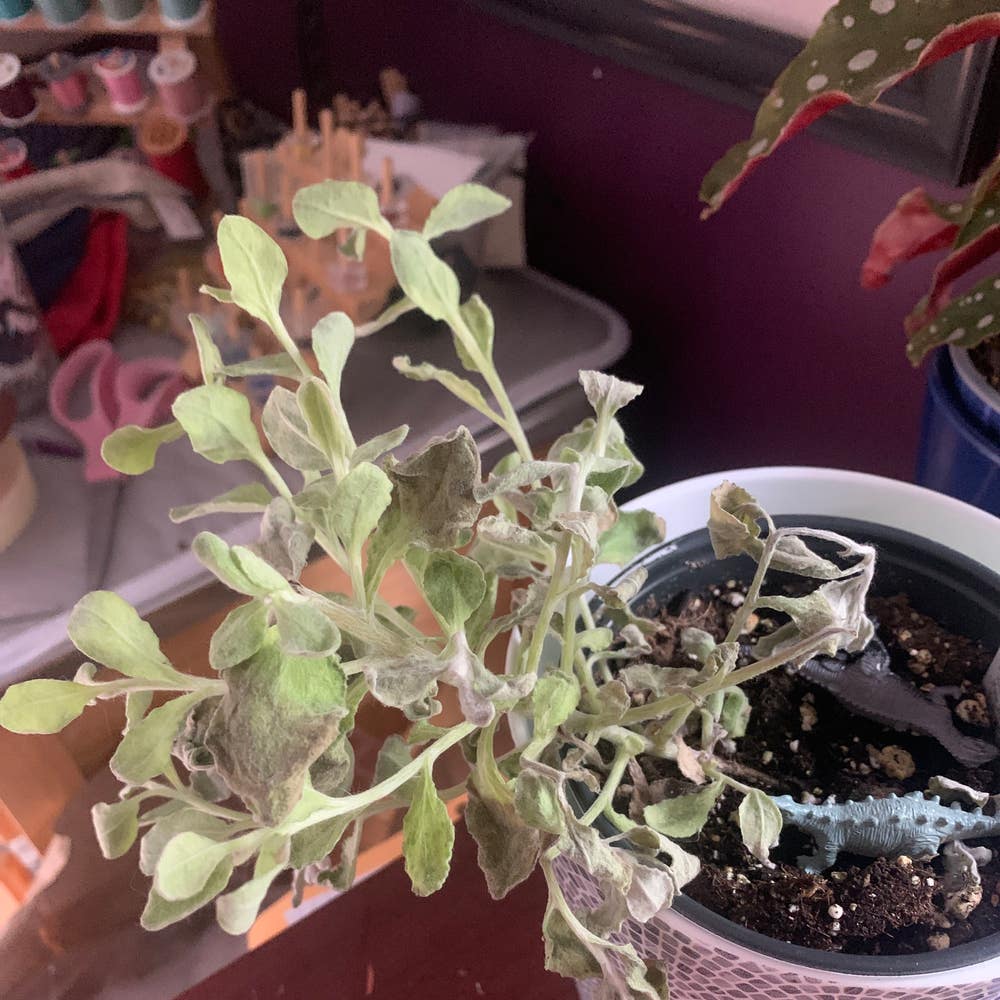
Wilting despite wet soil is a classic overwatering paradox. If your curry plant's leaves are dropping or feel soft and limp, it's a clear sign to ease up on the H2O. Yellowing or browning of leaves is often a sidekick to this sogginess, indicating that your plant is more waterlogged than a sunken ship.
🍄 Telltale Fungal Disease and Root Rot Signs
Brown spots on leaves or stems, coupled with a general look of despair, scream fungal invasion. A foul odor emanating from the soil is your plant's silent scream for help, signaling decay. If the roots are mushy, smelly, and dark, it's time to act fast—root rot is the grim reaper in the plant world.
First Aid for Your Curry Plant
💧 Adjusting Your Watering Technique
Watering your curry plant can be a bit of a Goldilocks situation—not too much, not too little, but just right. Check the topsoil: if it's dry, it's time to water. Early morning is prime time for hydration, giving leaves a chance to dry and dodge the dreaded fungal party.
🌱 Soil and Repotting Strategies
When your curry plant's roots are drowning, it's time for a new home. Choose a pot that fits the plant's size like a snug beanie, and fill it with well-draining soil. Remember, a mansion-sized pot for a seedling-sized plant invites trouble—keep it cozy.
🍄 Battling Fungal Foes and Root Rot
Fungi and root rot are the boogeymen of the plant world, lurking in overwatered shadows. Go on the offensive with a mix of natural remedies and chemical treatments. Post-treatment, play helicopter parent—monitor your plant closely, ensuring it's not stewing in moisture.
Long-Term Care for a Healthy Curry Plant
💧 Watering Wisdom
Consistency is key in the long-term care of your curry plant. To prevent mushy leaves, water only when the top inch of soil is dry. This could mean watering weekly during cooler months and more frequently during the heat of summer. Remember, your curry plant is not a fan of soggy feet.
🌱 Soil and Pot Mastery
The right soil mix can make all the difference. Opt for a well-draining concoction, like a cactus mix or a blend of soil with sand and perlite. This ensures excess water has a quick escape route. And when it comes to pots, make sure they have drainage holes to avoid water accumulation. A cozy and dry home equals a happy curry plant.
Prevention: The Best Cure for Mushy Leaves
🌿 Regular Check-Ups and Hygiene
Regular inspections are like your plant's annual physical—essential for spotting early signs of distress. Wipe down leaves and pots to ditch dust and potential pathogens. It's simple: a clean plant is a happy plant.
🌬 Creating the Ideal Environment
Airflow is your plant's invisible bestie, warding off fungal drama. Don't let your curry plant languish in a stagnant corner; it craves a breezy spot. Humidity can be a double-edged sword—balance is key. Too much, and you're in a mushy mess; too little, and you're in a dry spell. Use a humidifier or pebble tray to keep things just right.
Light is non-negotiable. Bright, indirect sunlight keeps your curry plant's leaves firm and fabulous. But remember, like a good tan, it's all about moderation. Direct scorchers can be just as bad as gloomy shadows.
Keep your curry plant's environment stable—no dramatic temperature swings or drafty windows. Consistency is the secret sauce for a thriving plant. Rotate your plant to ensure even light exposure and prevent it from reaching for the stars unevenly.
Remember, prevention isn't just better than cure—it's the cure. Keep your plant's living conditions in check, and you'll keep those mushy leaves at bay.
⚠️ Safety First
This content is for general information and may contain errors, omissions, or outdated details. It is not medical, veterinary advice, or an endorsement of therapeutic claims.
Always consult a qualified healthcare professional before using any plant as food, medicine, or supplement.
Never eat any plant (or feed one to pets) without confirming its identity with at least two trusted sources.
If you suspect poisoning, call Poison Control (800) 222-1222, the Pet Poison Helpline (800) 213-6680, or your local emergency service immediately.
Spotted an error? Please report it here.
Turn your curry plant's mushy leaves into a sign of flourishing growth 🌱 by using Greg to perfect your watering routine based on real-time soil conditions!