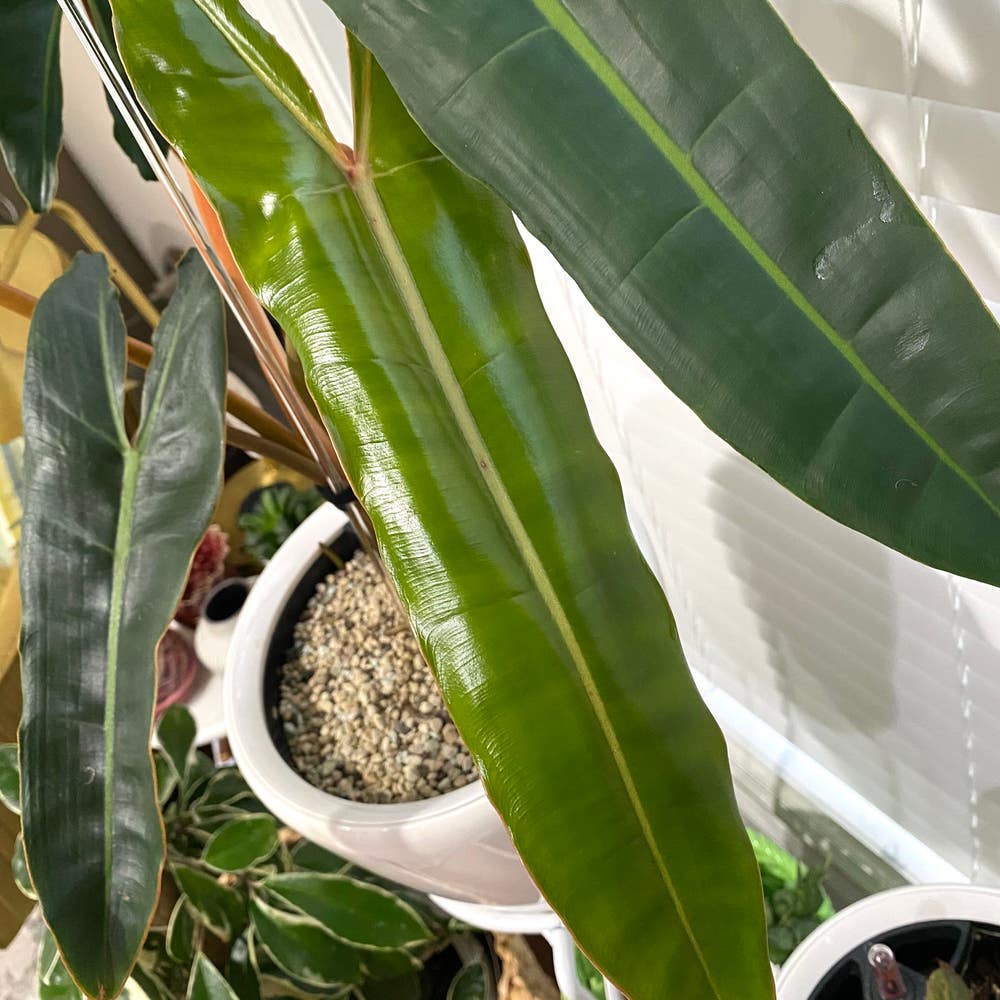
4 Perfect Pot Styles for Philodendron billietiae 🪴
Philodendron billietiae
By the Greg Editorial Team
Sep 29, 2024•6 min read
This article was created with the help of AI so we can cover more plants for you. May contain errors. See one? Report it here.
- 🌱 Choose pot size wisely: 4-6 inches for seedlings, 10-14 inches for mature plants.
- 🧱 Clay pots promote drainage, while plastic pots retain moisture—pick based on humidity.
- 🔍 Repot when roots show or growth stalls; ensure new pots have drainage holes.
Choosing the Right Pot
Importance of Pot Size for Different Growth Stages 🌱
Choosing the right pot size is crucial for your Philodendron billietiae's health.
Seedling Stage: Use a container that is 4-6 inches in diameter. A snug fit helps stabilize the young plant as it establishes roots.
Juvenile Stage: Transition to a pot that is 6-10 inches in diameter. This size allows enough room for the roots to grow without feeling cramped.
Mature Stage: Opt for a container that is 10-14 inches or larger. Mature plants need ample space for their extensive root systems and aerial roots.
As a general guideline, increase the pot size by 2 inches in diameter as your plant grows. This simple rule helps maintain a healthy environment for root development.
Ideal Pot Materials 🪴
The material of your pot can significantly impact your plant's well-being.
Clay Pots: These are breathable and help regulate moisture. However, they are heavier and can dry out faster, requiring more frequent watering.
Plastic Pots: Lightweight and moisture-retentive, plastic pots are convenient. Yet, they are less breathable, which can lead to root rot if drainage isn't managed well.
When comparing materials, consider aesthetics and cost. Clay pots offer a rustic charm, while plastic pots come in various colors and styles. Generally, clay tends to be more expensive than plastic.
The Role of Drainage Holes in Pot Selection 🚰
Drainage holes are a non-negotiable feature in pot selection.
Importance: They prevent waterlogging and root rot, ensuring healthy soil moisture levels. Without proper drainage, your plant's health can quickly decline.
Recommended Specifications: For pots 10 inches or larger, aim for a minimum of 2-4 drainage holes, each about 1/2 inch in diameter for optimal drainage.
To enhance drainage, consider these tips:
- Use a layer of gravel or stones at the bottom of the pot.
- Choose pots with built-in drainage features to simplify care.
By paying attention to pot size, material, and drainage, you set the stage for a thriving Philodendron billietiae. Next, let’s explore the signs that indicate it’s time to repot your plant.
Repotting Philodendron billietiae
Signs That It's Time to Repot 🌱
Recognizing when to repot your Philodendron billietiae is crucial for its health.
Root Growth
If you see roots poking through the drainage holes or circling the pot, it's time for a change.
Soil Condition
Check the soil; if it's compacted or shows signs of salt buildup, it’s a clear indicator that repotting is necessary.
Plant Health
Stunted growth despite proper care or yellowing leaves can signal stress, suggesting your plant needs more space.
Step-by-Step Guide to Repotting 🛠️
Repotting can seem daunting, but following these steps makes it manageable.
Choose the Right Pot Size
Increase the pot size by 2 inches in diameter to accommodate growth.Prepare the New Pot
Ensure it has drainage holes and add a layer of fresh potting mix at the bottom.Remove the Plant
Gently loosen the root ball, being careful not to damage any aerial roots.Place the Plant in the New Pot
Center the plant and fill with potting mix, ensuring the top of the root ball is level with the rim.Water Thoroughly
Water the plant well and allow excess water to drain out. Monitor moisture levels for the first few weeks to ensure it settles in.
How to Choose the Right Pot When Repotting 🪴
Choosing the right pot is just as important as the repotting process itself.
Assessing Growth Stage
Match the pot size to the current growth stage of your plant for optimal results.
Material Considerations
Select pot materials based on the humidity and environment where your plant resides.
Drainage Features
Ensure the pot has adequate drainage to promote healthy root growth and prevent waterlogging.
By keeping an eye on these factors, you can ensure your Philodendron billietiae thrives in its new home. Next, let’s explore how pot choice impacts plant health.
Impact of Pot Choice on Plant Health
🌱 How Pot Size Affects Growth and Health
Choosing the right pot size is crucial for your Philodendron billietiae. Larger pots provide more room for root expansion and better moisture retention, but they can lead to overwatering if the pot is too big for the plant's current size.
On the other hand, smaller pots make it easier to manage moisture levels. However, they can also cause root-bound conditions, which stunt growth and hinder the plant's overall health.
🏺 The Relationship Between Pot Material and Moisture Retention
The material of your pot significantly influences moisture retention. Clay pots evaporate moisture quickly, making them ideal for humid environments where excess water can be a concern.
In contrast, plastic pots retain moisture longer, which is beneficial in drier conditions. It's essential to adjust your watering schedule based on the pot material to ensure your plant thrives.
🚰 Consequences of Poor Drainage
Poor drainage can lead to severe issues for your plant. Root rot is a common problem, characterized by wilting, yellowing leaves, and mushy roots.
To prevent this, ensure your pot has adequate drainage features. Additionally, waterlogged soil can stunt growth, so regularly monitor drainage holes to keep your Philodendron healthy and vibrant.
With the right pot choice, you can foster a thriving environment for your plant, setting the stage for its growth and vitality. Next, let’s explore common mistakes in pot selection to avoid.
Common Mistakes in Pot Selection
Overly Large or Small Pots 🪴
Choosing the right pot size is crucial for your Philodendron billietiae's health. Oversized pots can lead to water retention issues, which often result in root rot.
Conversely, pots that are too small can cause root-bound conditions, limiting growth potential and stressing the plant. Finding that sweet spot in pot size is essential for thriving plants.
Ignoring Drainage Needs 🚰
Drainage holes are non-negotiable when selecting a pot. Neglecting this aspect can lead to disastrous consequences, including waterlogged soil and unhealthy roots.
To ensure proper drainage, regularly inspect your pots for blockages. A little maintenance goes a long way in keeping your plant happy.
Choosing the Wrong Material for the Environment 🌍
The material of your pot should align with your plant's needs and the environment. Assessing humidity levels is key; for instance, clay pots are great for humid conditions, while plastic pots work better in drier settings.
Consider whether your plant will be indoors or outdoors, as this can significantly impact your pot choice. Making the right decision here can enhance your plant's overall health and vitality.
⚠️ Safety First
This content is for general information and may contain errors, omissions, or outdated details. It is not medical, veterinary advice, or an endorsement of therapeutic claims.
Always consult a qualified healthcare professional before using any plant as food, medicine, or supplement.
Never eat any plant (or feed one to pets) without confirming its identity with at least two trusted sources.
If you suspect poisoning, call Poison Control (800) 222-1222, the Pet Poison Helpline (800) 213-6680, or your local emergency service immediately.
Spotted an error? Please report it here.
Elevate your Philodendron billietiae's growth by choosing the right pot size, and let Greg guide you with customized watering reminders to keep your plant thriving! 🌿