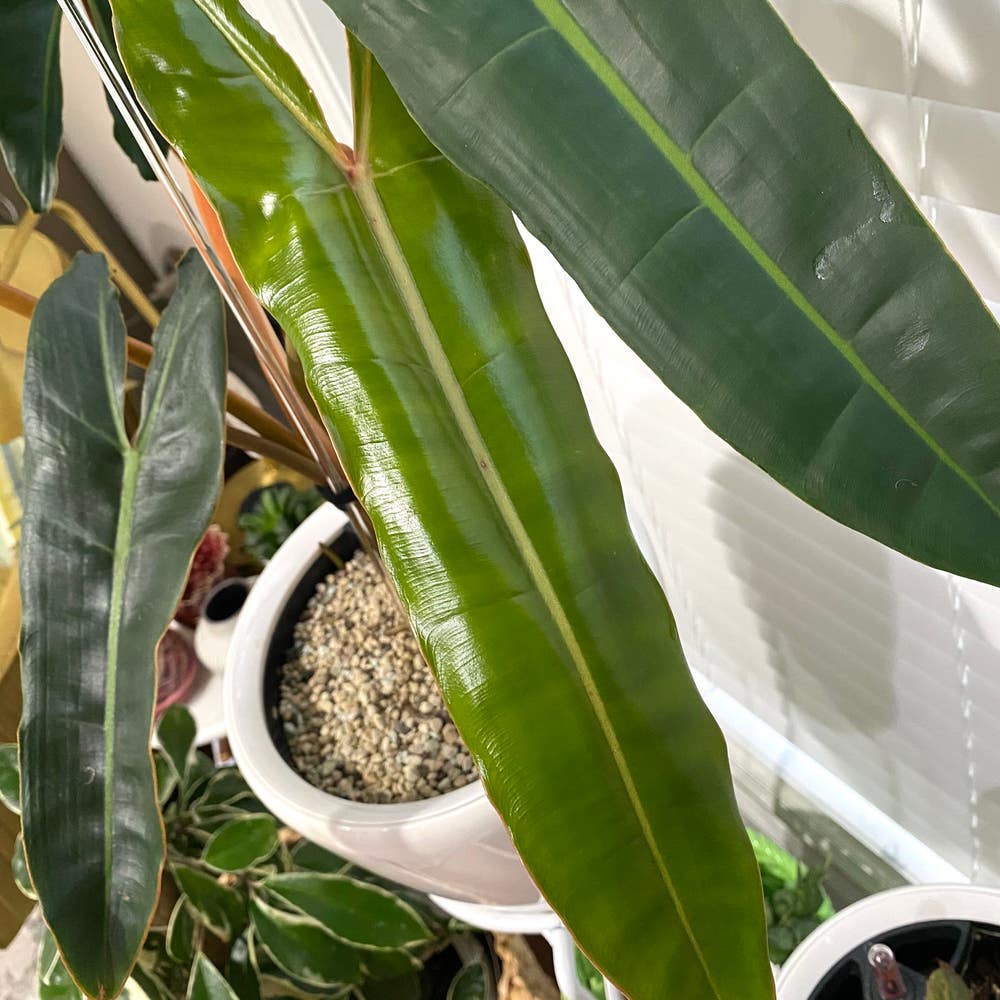
🌺 Philodendron billietiae Is Not Considered a Weed
Philodendron billietiae
By the Greg Editorial Team
Sep 29, 2024•5 min read
This article was created with the help of AI so we can cover more plants for you. May contain errors. See one? Report it here.
- 🌱 Philodendron billietiae is non-invasive, thriving in shaded areas without harming ecosystems.
- 🌿 Regular pruning and monitoring ensure healthy growth and prevent overcrowding in gardens.
- 🦋 Enhances biodiversity by attracting beneficial insects and providing habitat for wildlife.
Growth Habits
🌱 Typical Growth Patterns
Philodendron billietiae exhibits a moderate growth rate, typically reaching heights of 3 to 6 feet. This plant thrives in shaded or partially shaded areas, closely resembling its native habitat.
🌿 Natural Limits to Growth
It prefers well-draining soil and consistent moisture, which are crucial for its health. During warm months, it experiences active growth, while cooler conditions prompt a period of dormancy.
✂️ Spread Potential and Management
The spread potential of Philodendron billietiae is limited, primarily climbing and spreading within designated areas. Regular pruning is an effective management technique to maintain its desired shape and size, making it an easy plant to care for.
Incorporating these growth habits into your gardening plans can enhance your landscape while ensuring the plant remains manageable. Understanding its needs will help you create a thriving environment for this beautiful species.
Ecological Role
Benefits to Local Ecosystems 🌱
Philodendron billietiae plays a vital role in enhancing biodiversity. It provides essential habitat and food sources for various species, supporting a thriving ecosystem.
Moreover, this plant contributes significantly to soil health. Its roots improve soil structure and promote nutrient cycling, creating a healthier environment for other plants to flourish.
Positive Interactions with Wildlife 🦋
One of the standout features of Philodendron billietiae is its ability to attract beneficial insects. Pollinators, like bees, and predatory insects help control pest populations, creating a balanced garden ecosystem.
Additionally, this plant offers shelter for small wildlife. By providing a safe haven, it enhances the overall biodiversity of your garden, making it a lively and inviting space for all creatures.
Incorporating Philodendron billietiae into your garden not only beautifies your space but also supports local wildlife and promotes ecological balance. As we explore garden management next, consider how these ecological benefits can influence your design choices.
Garden Management
Incorporating into Garden Designs 🌿
Philodendron billietiae can be a stunning addition to your garden. Use it as a vertical element in shaded areas, allowing its lush leaves to climb trellises or walls.
For a more grounded approach, consider it as ground cover. Its sprawling nature can create a vibrant carpet of greenery, enhancing the overall aesthetic of your garden.
Companion Planting 🌱
Pairing Philodendron billietiae with other tropical plants can elevate your garden's appeal. Think about combining it with ferns or bromeliads for a lush, layered look.
This combination not only looks great but also creates a micro-ecosystem that benefits all plants involved. The diversity can attract beneficial insects and improve overall plant health.
Practical Growth Control Methods ✂️
To keep your Philodendron billietiae in check, regular pruning is essential. Trim back any overgrown vines to maintain its shape and size, making it easy to manage.
Monitoring growth is equally important. Keep an eye on its spread to prevent overcrowding, ensuring each plant has enough space to thrive.
Final Thoughts on Garden Management 🌼
Incorporating Philodendron billietiae into your garden design can be both rewarding and manageable. With the right techniques, you can enjoy its beauty while keeping it under control, creating a vibrant and healthy garden space.
Next, we’ll explore how this plant compares to other non-invasive species, highlighting its unique qualities.
Comparison to Other Plants
🌱 Similar Non-Invasive Plants
When considering tropical plants that share growth habits with Philodendron billietiae, a few stand out. Monstera deliciosa is a popular choice, known for its striking split leaves and ability to thrive in similar light conditions.
Another excellent option is the Pothos (Epipremnum aureum). This hardy plant is celebrated for its adaptability and vibrant foliage, making it a favorite among indoor gardeners.
✨ Unique Qualities
Each of these plants brings its own flair to the garden. Monstera's dramatic leaves can create a bold statement, while Pothos offers a cascading effect that can soften any space.
Philodendron billietiae, however, shines with its unique leaf shape and climbing ability. This versatility allows it to fit seamlessly into various garden styles, from tropical jungles to modern minimalist designs.
Incorporating these plants can enhance your garden's aesthetic while ensuring a non-invasive approach. Their shared growth habits make them ideal companions, promoting a lush, vibrant environment.
As you explore these options, consider how each plant's unique qualities can complement your garden vision. This thoughtful pairing not only enriches your space but also supports a balanced ecosystem.
Legal and Environmental Considerations
📜 Relevant Classifications and Guidelines
When considering planting Philodendron billietiae, it's essential to check local regulations. Some regions may have specific guidelines regarding the introduction of non-native species to prevent ecological disruption.
Responsible gardening practices are crucial. Always ensure that your planting choices align with local environmental policies to promote a healthy ecosystem.
🌱 Sustainable Gardening Practices
Incorporating Philodendron billietiae into sustainable garden designs offers numerous benefits. This non-invasive plant enhances biodiversity while providing a lush, tropical aesthetic.
The environmental impact of using such plants is significant. They contribute positively to local ecosystems, supporting wildlife and improving soil health, making them a smart choice for eco-conscious gardeners.
As you plan your garden, remember that every plant choice matters. Opting for non-invasive species like Philodendron billietiae not only beautifies your space but also fosters a thriving environment for all living things.
Transitioning to the next topic, let’s explore how Philodendron billietiae compares to other plants in terms of growth habits and ecological benefits.
⚠️ Safety First
This content is for general information and may contain errors, omissions, or outdated details. It is not medical, veterinary advice, or an endorsement of therapeutic claims.
Always consult a qualified healthcare professional before using any plant as food, medicine, or supplement.
Never eat any plant (or feed one to pets) without confirming its identity with at least two trusted sources.
If you suspect poisoning, call Poison Control (800) 222-1222, the Pet Poison Helpline (800) 213-6680, or your local emergency service immediately.
Spotted an error? Please report it here.
Enhance your garden's biodiversity 🌱 with Philodendron billietiae, and let Greg guide you with tailored care tips to ensure this stunning plant thrives beautifully in your eco-friendly space!