🌱 Philodendron billietiae Is Not an Annual
Philodendron billietiae
By the Greg Editorial Team
Sep 29, 2024•3 min read
This article was created with the help of AI so we can cover more plants for you. May contain errors. See one? Report it here.
- 🌱 Philodendron billietiae is a tropical perennial, thriving for years, not an annual.
- 🌞 Unique adaptations allow it to flourish in varying climates and conditions.
- 🌿 Distinct foliage enhances aesthetics, making it a valuable addition to gardens.
Philodendron billietiae as a Perennial
🌱 Genetic Characteristics
Philodendron billietiae is classified as a tropical perennial vine. Its genetic adaptations enable it to withstand environmental changes, making it a resilient choice for gardeners.
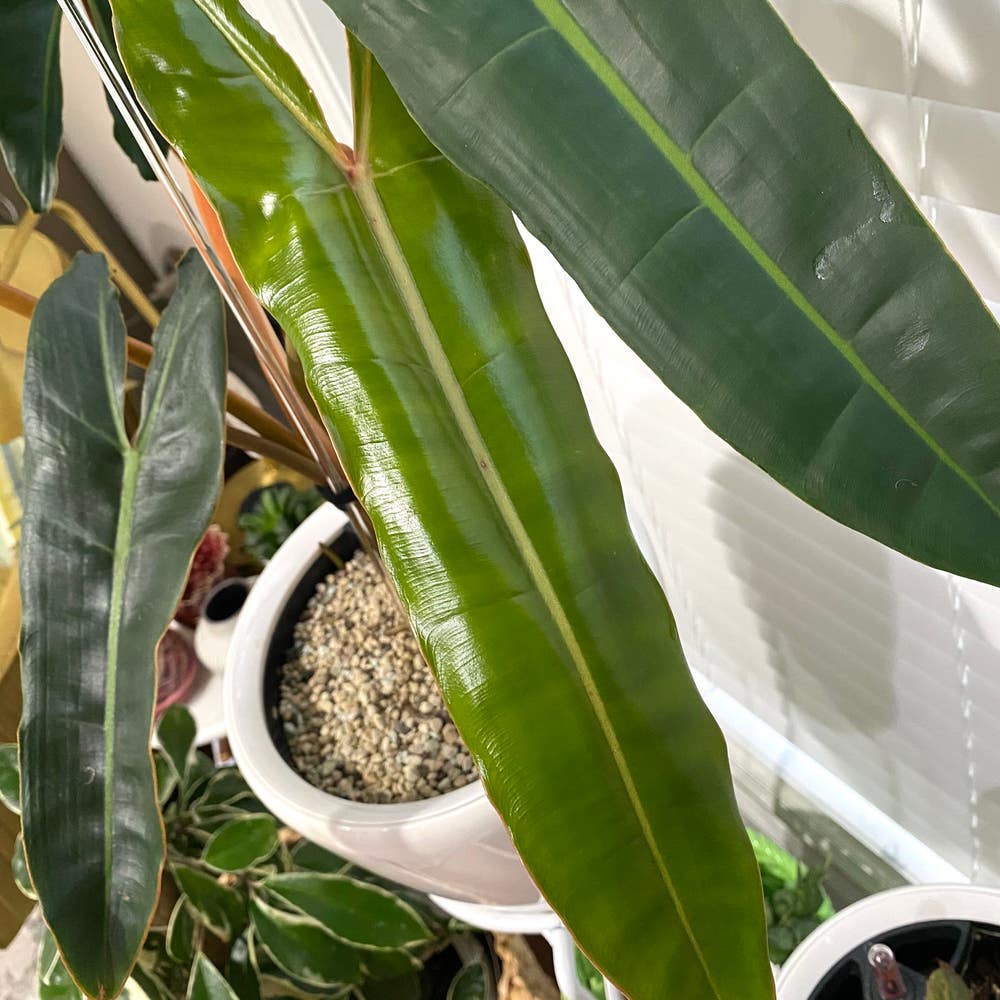
The unique leaf morphology of this plant features striking shapes and colors that enhance photosynthesis. This adaptation is crucial for its survival in varying light conditions.
🌿 Physiological Traits Supporting Perennial Classification
The root system of Philodendron billietiae is deep and extensive, allowing for efficient nutrient absorption. This robust root structure supports its vining nature, which encourages climbing and spreading.
Additionally, this plant thrives in stable, warm climates. Its adaptability makes it a versatile option for various garden settings.
📈 Long-term Lifecycle and Growth Patterns
Philodendron billietiae follows a distinct growth timeline, starting with an establishment phase before entering a period of vigorous growth. During warmer months, it becomes particularly active, while cooler months may induce dormancy.
Under optimal conditions, this perennial can thrive for many years. Its longevity makes it a valuable addition to any garden.
🌼 Reproductive Strategies
🌸 Flowering Cycles
Flowering in Philodendron billietiae occurs in specific seasons, influenced by environmental factors like temperature and humidity. The flower structure features unique adaptations that facilitate effective pollination.
🌱 Seed Production Compared to Annuals
The seed development process for Philodendron billietiae takes longer than that of annuals. While it typically produces fewer seeds, these seeds boast higher viability, ensuring the continuation of the species.
❓ Misconceptions and Exceptions
🌧️ Conditions Where It May Be Treated as an Annual
In some cases, environmental stress, such as harsh winters, can lead to the misclassification of Philodendron billietiae as an annual. Improper care practices may also result in a shortened lifespan.
🌍 Regional Variations Affecting Its Classification
Climate plays a significant role in the growth of Philodendron billietiae. Variations in local weather patterns can affect its classification and treatment across different regions.
🌟 Implications for Gardeners
💰 Benefits of Planting as a Perennial
Planting Philodendron billietiae as a perennial offers long-term investment benefits. Its unique foliage not only enhances the landscape but also provides a cost-effective choice for garden design.
🌼 Garden Design Strategies
For optimal growth and visibility, consider ideal placement when incorporating this plant into your garden. Companion planting with other perennials can create a diverse and vibrant garden environment.
🌱 Tips for Managing Longevity
To ensure the longevity of Philodendron billietiae, maintain consistent moisture without waterlogging. Balanced fertilization during active growth periods is also essential.
Regular pruning promotes healthy growth, while monitoring for common pests and diseases helps maintain plant health. These practices will keep your Philodendron thriving for years to come.
As you explore the benefits and care strategies for Philodendron billietiae, you'll find that this perennial offers a wealth of opportunities for enhancing your garden. Next, let's delve into the implications of its unique characteristics for gardeners.
⚠️ Safety First
This content is for general information and may contain errors, omissions, or outdated details. It is not medical, veterinary advice, or an endorsement of therapeutic claims.
Always consult a qualified healthcare professional before using any plant as food, medicine, or supplement.
Never eat any plant (or feed one to pets) without confirming its identity with at least two trusted sources.
If you suspect poisoning, call Poison Control (800) 222-1222, the Pet Poison Helpline (800) 213-6680, or your local emergency service immediately.
Spotted an error? Please report it here.
Embrace the beauty of Philodendron billietiae as a long-lasting perennial 🌿 with Greg's tailored care tips that ensure your garden flourishes year after year!