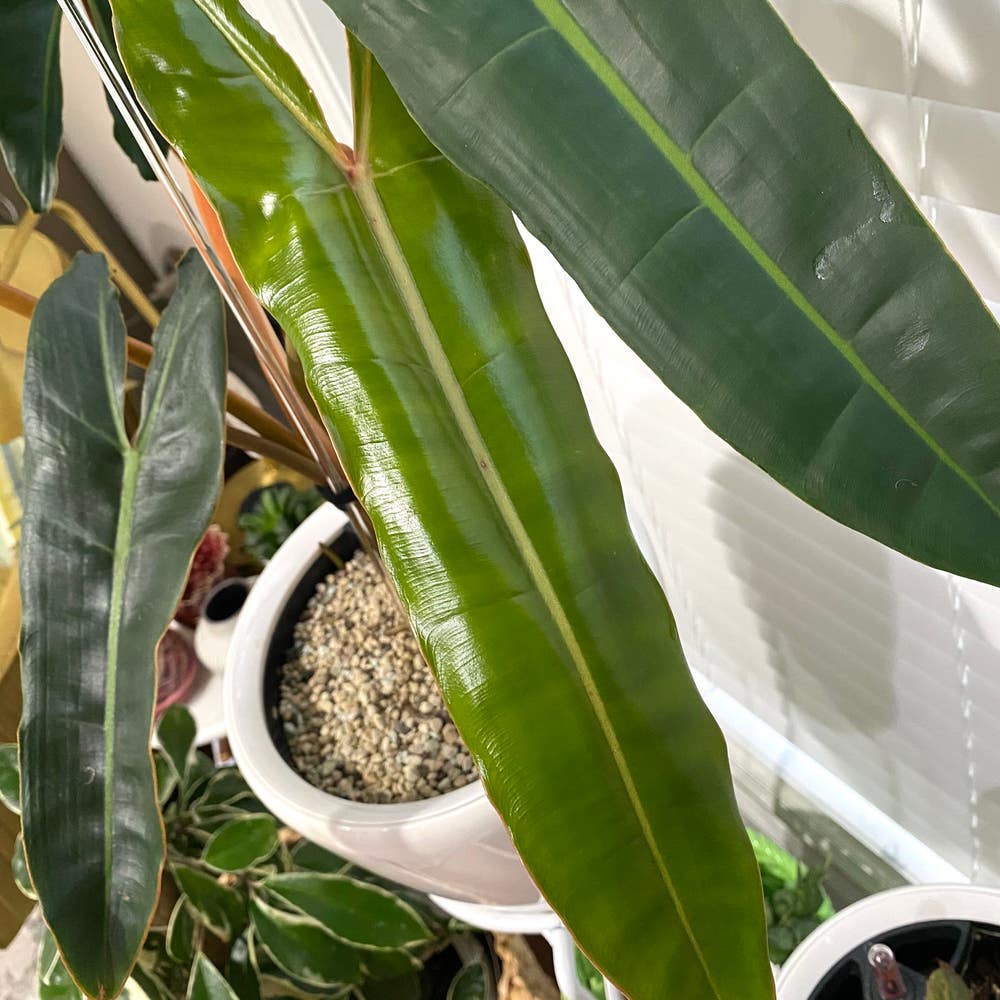
Best Companion Plants for Philodendron billietiae 🌸
Philodendron billietiae
By the Greg Editorial Team
Sep 29, 2024•5 min read
This article was created with the help of AI so we can cover more plants for you. May contain errors. See one? Report it here.
- 🌱 Monstera and Pothos thrive with Philodendron billietiae, sharing humidity and light needs.
- 🌿 Ferns and Calathea enhance moisture levels, adding texture and visual diversity.
- ❌ Avoid cacti and succulents; they compete for moisture, stressing humidity-loving Philodendron billietiae.
Best Companion Plants for Philodendron billietiae
🌿 Monstera
Monstera is a fantastic companion for Philodendron billietiae due to its similar care needs. Both plants thrive in high humidity and indirect light, requiring well-draining soil to flourish.
The visual appeal of Monstera is undeniable. Its large, fenestrated leaves beautifully complement the elongated foliage of Philodendron billietiae, while its ability to grow vertically enhances the climbing aesthetic of your indoor garden.
🌱 Pothos
Pothos is another excellent choice, as it prefers similar humidity levels. This makes it a compatible indoor plant companion, thriving in low to bright indirect light.
Additionally, Pothos offers pest management benefits. It is known to deter pests like spider mites and aphids, providing an extra layer of protection for your Philodendron billietiae.
🍃 Ferns
Ferns flourish in shaded, humid environments, making them ideal companions for Philodendron billietiae. They help maintain moisture levels in the surrounding soil, creating a supportive ecosystem.
Aesthetically, ferns provide a delicate contrast to the bold leaves of Philodendron billietiae. Their fronds add texture and visual interest to your plant arrangement.
🌸 Calathea
Calathea thrives in consistently moist soil and high humidity, aligning perfectly with the needs of Philodendron billietiae. This makes it a great companion plant.
The varied leaf patterns and colors of Calathea enhance the visual diversity of your indoor garden. This adds an exciting element to your plant display, making it more vibrant and engaging.
🌼 Peace Lily
Peace Lily is renowned for its air-purifying qualities. It contributes to improved indoor air quality, complementing the purifying properties of Philodendron billietiae.
Moreover, Peace Lily prefers similar light conditions and high humidity. This compatibility makes it an ideal companion, ensuring both plants thrive together harmoniously.
These companion plants not only share care requirements but also enhance the overall beauty of your indoor garden. Next, let’s explore which plants to avoid near Philodendron billietiae for optimal growth.
Plants to Avoid Near Philodendron billietiae
🌵 Cacti
Cacti are not the best companions for Philodendron billietiae due to their dissimilar water needs. They thrive in dry conditions, which can lead to competition for moisture, ultimately stressing your Philodendron.
Additionally, cacti may outcompete Philodendron billietiae for nutrients in the soil. This competition can hinder the growth and health of your beloved plant.
🌿 Succulents
Similar to cacti, succulents prefer low humidity environments. This can create a challenging situation for humidity-loving Philodendron billietiae, potentially leading to stress.
Moreover, the presence of succulents can result in uneven moisture levels in shared soil. This inconsistency can be detrimental to the health of your Philodendron.
🌱 Certain Herbs
Certain herbs can also pose challenges when planted near Philodendron billietiae. They often require full sun and drier conditions, which conflict with the Philodendron's preferences for shade and moisture.
Additionally, some herbs may attract pests that could harm your Philodendron. It's essential to consider these factors when planning your indoor or outdoor plant arrangements.
In summary, avoiding cacti, succulents, and certain herbs will help ensure a thriving environment for your Philodendron billietiae. Next, let’s explore how companion plants can aid in pest management and create a balanced ecosystem in your garden.
Pest Management and Companion Planting
Companion plants can be a game-changer in pest management. By introducing natural repellents and attracting beneficial insects, they help keep pest populations in check.
🌿 Natural Pest Deterrents
Plants like Pothos and Monstera are not just beautiful; they also serve as effective pest deterrents. Their presence can help ward off common indoor pests, making them ideal companions for Philodendron billietiae.
🌍 The Importance of Biodiversity
Maintaining a balanced ecosystem in your garden is crucial. A diverse plant environment encourages beneficial insects and promotes natural pest control, reducing the need for chemical interventions.
By carefully selecting companion plants, you can create a thriving indoor garden that not only looks good but also stays healthy. This approach fosters a harmonious environment for your Philodendron billietiae, setting the stage for the next topic: enhancing visual appeal and aesthetic considerations.
Visual Appeal and Aesthetic Considerations
Companion plants can significantly enhance the beauty of Philodendron billietiae. They create a lush, tropical atmosphere that transforms any indoor or outdoor space into a vibrant oasis.
🎨 Color and Texture Combinations
Mixing different leaf shapes and colors adds visual interest. For instance, pairing the elongated leaves of Philodendron billietiae with the broad, fenestrated leaves of Monstera creates a stunning contrast.
🌿 Layering Plants for Depth and Interest
Utilizing varying heights and growth habits can create a dynamic plant display. Taller plants like Peace Lilies can provide a backdrop, while shorter ferns add texture at the front, enriching the overall aesthetic.
Incorporating these elements not only beautifies your space but also fosters a sense of harmony among your plants. This thoughtful arrangement can elevate your indoor garden, making it a true focal point in your home.
As you explore the world of companion planting, consider how these visual elements can enhance your Philodendron billietiae's environment. Next, let’s delve into the practical aspects of pest management and how companion plants can help keep your garden thriving.
⚠️ Safety First
This content is for general information and may contain errors, omissions, or outdated details. It is not medical, veterinary advice, or an endorsement of therapeutic claims.
Always consult a qualified healthcare professional before using any plant as food, medicine, or supplement.
Never eat any plant (or feed one to pets) without confirming its identity with at least two trusted sources.
If you suspect poisoning, call Poison Control (800) 222-1222, the Pet Poison Helpline (800) 213-6680, or your local emergency service immediately.
Spotted an error? Please report it here.
Create a lush indoor oasis 🌿 for your Philodendron billietiae by pairing it with companions like Monstera and Pothos, and let Greg guide you with tailored care reminders to keep your plants thriving!