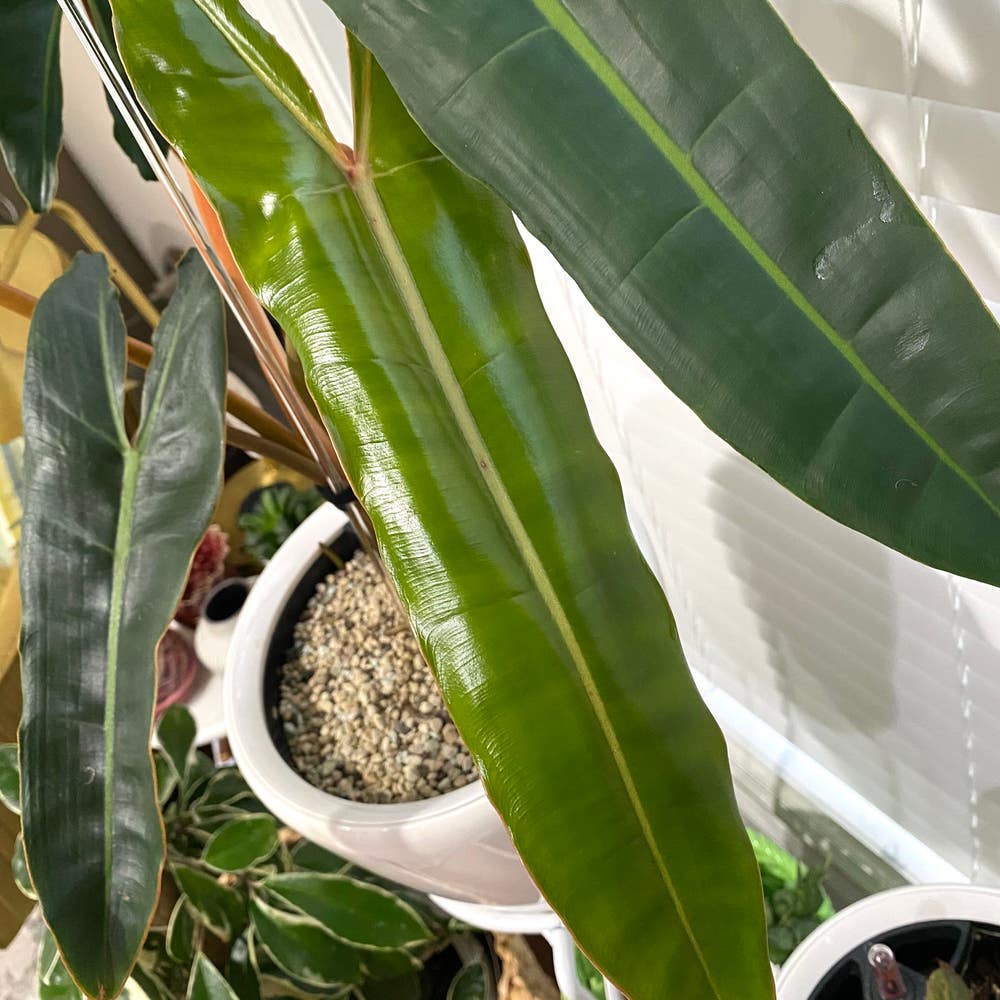
🍂 Why Does My Philodendron billietiae Have Yellow Leaves?
Philodendron billietiae
By the Greg Editorial Team
Jun 18, 2024•5 min read
This article was created with the help of AI so we can cover more plants for you. May contain errors. See one? Report it here.
- 🍂 Yellow leaves signal aging or distress; patterns hint at the cause.
- 💧🌞 Balance water and light to prevent yellowing from over/underwatering or poor lighting.
- 🛡️ Prevent pests and diseases with regular inspection and proper plant care.
Spotting the Trouble: Identifying Yellow Leaves
🍂 Natural Aging vs. Warning Signs
Yellowing leaves can be as innocuous as a sign of natural aging or as alarming as a distress signal from your Philodendron billietiae. When older leaves start to look like they've been dipped in a vat of mustard, it's likely just the plant shedding its seasoned wardrobe. But if this yellow trend is climbing up to the new growth, it's time to play plant doctor.
🎨 Visual Symptoms and What They Mean
Patterns matter when it comes to leaf discoloration. A uniform yellowing could be a cry for water or a sign of too much love in the form of overwatering. If the leaves are sporting yellow polka dots, you might be hosting an unwanted pest party or dealing with a fungal gatecrasher. When the tips of the leaves are as yellow as the sun, your plant might be parched or sending an SOS for nutrients.
Dark spots? Think bacterial or fungal infection. Leaves curling up more than a gymnast? That's a telltale sign of too much light or a temperature tantrum. Don't just stand there—check the soil's moisture, and remember, yellow leaves won't turn back to green. Trim the gone, save the going, and adjust your care routine accordingly.

Water Woes: Finding the Balance
💦 The Perils of Overwatering
Soggy soil is a telltale sign your Philodendron billietiae is drowning in excess love. The leaves may turn a dramatic yellow, wilt, or even drop off like flies. Root rot sneaks in when the roots soak for too long, and you'll sniff out its presence by a musty, decaying odor. To rescue your plant, cut back on the waterworks and consider repotting into fresh, well-draining soil. Ensure your pot has drainage holes that aren't blocked, because nobody likes waterlogged feet, not even your Philodendron.
🏜️ The Risks of Underwatering
On the flip side, underwatering is like sending your green buddy on a desert trek without a canteen. Leaves may crisp up, curl, or droop in a silent plea for hydration. The soil will be as dry as a bone and pull away from the edges of the pot. Rehydrate your plant with a thorough watering, ensuring the water reaches the entire root system. Don't just sprinkle the surface; soak it until water runs freely from the drainage holes. Then, let it be until the top inch of soil dries out. Remember, it's a marathon, not a sprint—gradual rehydration is key.

Light and Nutrients: The Dynamic Duo
💡 Getting the Light Just Right
Philodendron billietiae's light needs are like a tightrope walk—too much or too little, and you'll see it in the leaves. Bright, indirect light is the mantra here. Think of it as the plant's sweet spot, where it soaks up just enough rays without getting a sunburn. If your plant's leaves could talk, they'd beg you not to shove them into the dark abyss of a corner or scorch them on a sun-drenched windowsill.
🍽️ Feeding Your Philodendron
Now, let's talk nutrients. Yellow leaves can scream "Feed me!" louder than a neglected pet. A balanced, water-soluble fertilizer, think of it as a multivitamin for your green buddy, should do the trick. But remember, it's a buffet, not an all-you-can-eat contest—overfeeding is just as bad as starving. Stick to a fertilizing schedule every four to six weeks during the growing season, and cut it in half—like you're diluting a potent cocktail. Your Philodendron billietiae will thank you with lush, green foliage.

Uninvited Guests: Pests and Diseases
🐛 Common Culprits
Pests and diseases can turn your Philodendron billietiae's leaves yellow, signaling it's time to play detective.
Aphids and Mealybugs
These sap-suckers are like party crashers, leaving your plant's leaves yellow and misshapen. Aphids cluster on the undersides of leaves, while mealybugs look like tiny cotton swabs hiding in nooks.
Spider Mites
Tiny but mighty, spider mites weave fine webs and cause leaves to sport yellow speckles. Keep an eye out for their silken trails.
Fungal Invaders
Fungal diseases like root rot or powdery mildew creep up silently, leaving leaves yellow and wilted. Spotty leaves? Could be a fungal fiesta.
🛡️ Prevention is Better Than Cure
Proactive measures are your best defense against these uninvited guests.
Inspection and Quarantine
Inspect new plants like a hawk and quarantine them if needed. Regular check-ups can catch pests and diseases before they become a full-blown infestation.
Cleanliness
A clean plant is a happy plant. Keep your tools and plant area debris-free to deter disease. Wipe down leaves to prevent pests from getting cozy.
Proper Watering
Water from below to avoid wet leaves, a breeding ground for fungi. Overhead watering can invite a fungal rave on your Philodendron's leaves.
Natural Remedies
If pests are spotted, show them the door with neem oil or insecticidal soap. No mercy.
Sticky Traps
Yellow sticky traps are your undercover agents, snagging adult fungus gnats and whiteflies before they can do damage.
Air Circulation
Keep leaves dry and ensure good air circulation. It's like giving your plant its own personal bubble.
By staying vigilant and employing these strategies, your Philodendron billietiae will be less likely to send out the yellow leaf distress signal.
⚠️ Safety First
This content is for general information and may contain errors, omissions, or outdated details. It is not medical, veterinary advice, or an endorsement of therapeutic claims.
Always consult a qualified healthcare professional before using any plant as food, medicine, or supplement.
Never eat any plant (or feed one to pets) without confirming its identity with at least two trusted sources.
If you suspect poisoning, call Poison Control (800) 222-1222, the Pet Poison Helpline (800) 213-6680, or your local emergency service immediately.
Spotted an error? Please report it here.
Banish the guesswork and pinpoint the cause of your Philodendron billietiae's yellow leaves with Greg's diagnostic tools 🕵️♂️, ensuring your green buddy thrives with tailored care and pest management.