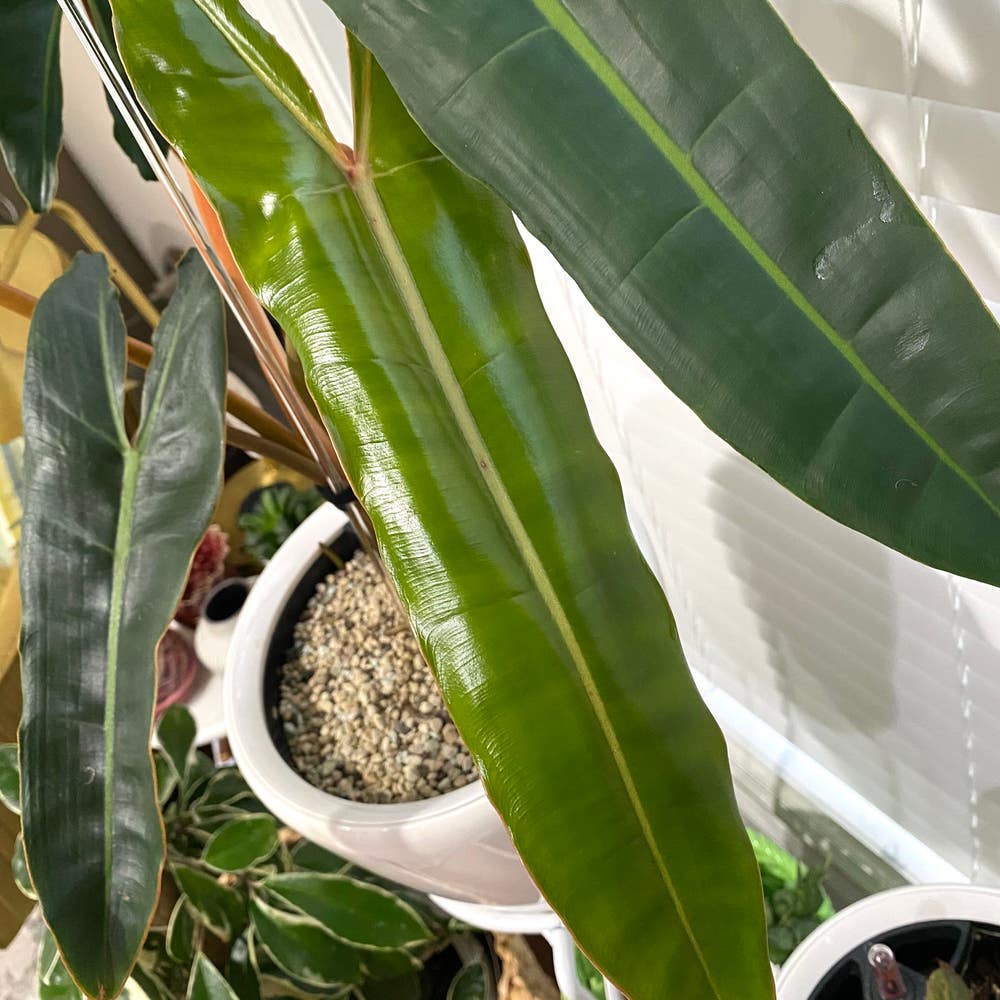
When to Plant: Philodendron billietiae
Philodendron billietiae
By the Greg Editorial Team
Sep 29, 2024•5 min read
This article was created with the help of AI so we can cover more plants for you. May contain errors. See one? Report it here.
- 🌡️ Plant Philodendron billietiae when soil temperature exceeds 65°F (18°C) for optimal growth.
- ❄️ Know your region's last frost date to avoid frost damage during planting.
- 🌱 Ideal planting months vary by region; check local guidelines for best results.
Importance of Frost Dates
Understanding frost dates is crucial for successful gardening, especially for plants like Philodendron billietiae. These dates indicate when the risk of frost has passed, allowing you to plant without fear of damage.
📅 How to Determine Frost Dates
To find your local frost dates, utilize resources such as local agricultural extension services, gardening websites, and planting calendars. These tools provide valuable insights tailored to your specific region.
For instance, the last frost date in Florida typically falls in early March, while in Colorado, it can be as late as mid-May. Knowing these dates helps you plan your planting schedule effectively, ensuring your plants thrive.
By keeping an eye on frost dates, you can maximize your gardening success and enjoy a flourishing Philodendron billietiae. Next, let’s explore how soil temperature plays a vital role in your planting decisions.
Soil Temperature Considerations
Ideal Soil Temperature 🌡️
For Philodendron billietiae to thrive, the soil temperature needs to be above 65°F (18°C). This range is crucial for both germination and healthy growth.
Methods to Measure Soil Temperature 📏
To accurately gauge soil temperature, using a soil thermometer is essential. Insert it into the ground at the depth where you plan to plant, ensuring you get a precise reading.
Best Practices for Accurate Readings ✅
- Calibrate Your Thermometer: Before use, check that your thermometer is functioning correctly.
- Multiple Readings: Take readings from different spots in your garden to get an average temperature.
Timing: When to Check Soil Temperature ⏰
Check the soil temperature a few days before you plan to plant. This ensures that conditions are optimal for your Philodendron billietiae.
Understanding soil temperature is vital for successful planting. With the right temperature and measurement techniques, you can set your plants up for success.
Next, we’ll explore how day length impacts the growth of your plants.
Impact of Day Length on Growth
🌞 Role of Day Length in Plant Growth
Day length plays a crucial role in the growth of Philodendron billietiae. Longer days during spring and summer trigger vigorous growth, allowing plants to photosynthesize more effectively.
This increased light exposure helps them develop lush foliage and strong stems. As a result, understanding day length can significantly influence your planting strategy.
📅 Seasonal Variations
Different regions experience varying day lengths throughout the year. For instance, northern areas may have longer days in summer, which can lead to a more robust growth period for your plants.
Conversely, shorter days in fall and winter can slow growth, making it essential to time your planting accordingly. By aligning your planting schedule with seasonal changes, you can optimize the health and vitality of your Philodendron billietiae.
With this knowledge in hand, you can make informed decisions about when to plant, ensuring your plants thrive as the seasons shift. Next, let’s explore regional planting considerations to further refine your planting strategy.
Regional Planting Considerations
Ideal Planting Months 🌱
When it comes to planting Philodendron billietiae, timing is everything. Different regions have unique climates that dictate the best months for planting.
Florida
In Florida, the ideal planting window is from March to May. The warm climate and minimal frost risk create perfect conditions for growth.
California
California offers a varied climate, making the planting months span from March to June. This flexibility allows gardeners to choose the best time based on their specific zone.
Texas
For Texas, the best months to plant are April to June. The warm temperatures and humidity support robust growth during this period.
New York
In New York, aim for May to June. This timing considers frost dates and allows the soil to warm adequately for planting.
Colorado
Colorado gardeners should wait until June to July. The late frost risk and higher elevation mean planting too early can be risky.
Ohio
In Ohio, the ideal months are May to June. The transitional climate requires careful consideration of frost dates to ensure successful planting.
Understanding these regional nuances will help you make informed decisions about when to plant your Philodendron billietiae. With the right timing, you can set the stage for a thriving garden.
Next, let’s explore seed starting techniques that can give your plants a head start.
Seed Starting Techniques
🌱 Indoor Seed Starting vs. Direct Sowing
Starting seeds can be a game-changer for your gardening success. You have two main options: indoor seed starting and direct sowing.
🏡 Indoor Seed Starting
Indoor seed starting offers a controlled environment, allowing you to kick off your gardening season early. Aim to start your seeds 6-8 weeks before the last frost date for the best results.
🌍 Direct Sowing
Direct sowing is all about simplicity and letting nature do its thing. This method works best after the last frost date when the soil temperature is warm enough for seeds to thrive.
⏰ Timing Considerations for Seed Starting
Timing is crucial for successful seed starting. Here’s a quick breakdown of when to start seeds indoors in various regions:
- Florida: January to March
- California: February to April
- Texas: March to April
- New York: March to April
- Colorado: April to May
- Ohio: March to April
Using grow lights can significantly enhance your indoor seed starting experience. They provide the necessary light spectrum for optimal growth, especially in early spring when natural light may be limited.
For direct sowing, consider soil temperature and moisture levels. Ensure the soil is warm and adequately moist before planting seeds directly into the garden. This will help ensure a successful germination process.
With these techniques in mind, you’re well on your way to a thriving garden. Next, let’s explore how regional planting considerations can further refine your gardening strategy.
⚠️ Safety First
This content is for general information and may contain errors, omissions, or outdated details. It is not medical, veterinary advice, or an endorsement of therapeutic claims.
Always consult a qualified healthcare professional before using any plant as food, medicine, or supplement.
Never eat any plant (or feed one to pets) without confirming its identity with at least two trusted sources.
If you suspect poisoning, call Poison Control (800) 222-1222, the Pet Poison Helpline (800) 213-6680, or your local emergency service immediately.
Spotted an error? Please report it here.
Plant your Philodendron billietiae with confidence 🌿 by using Greg's tailored reminders for frost dates and soil temperatures to ensure optimal growth in your region!