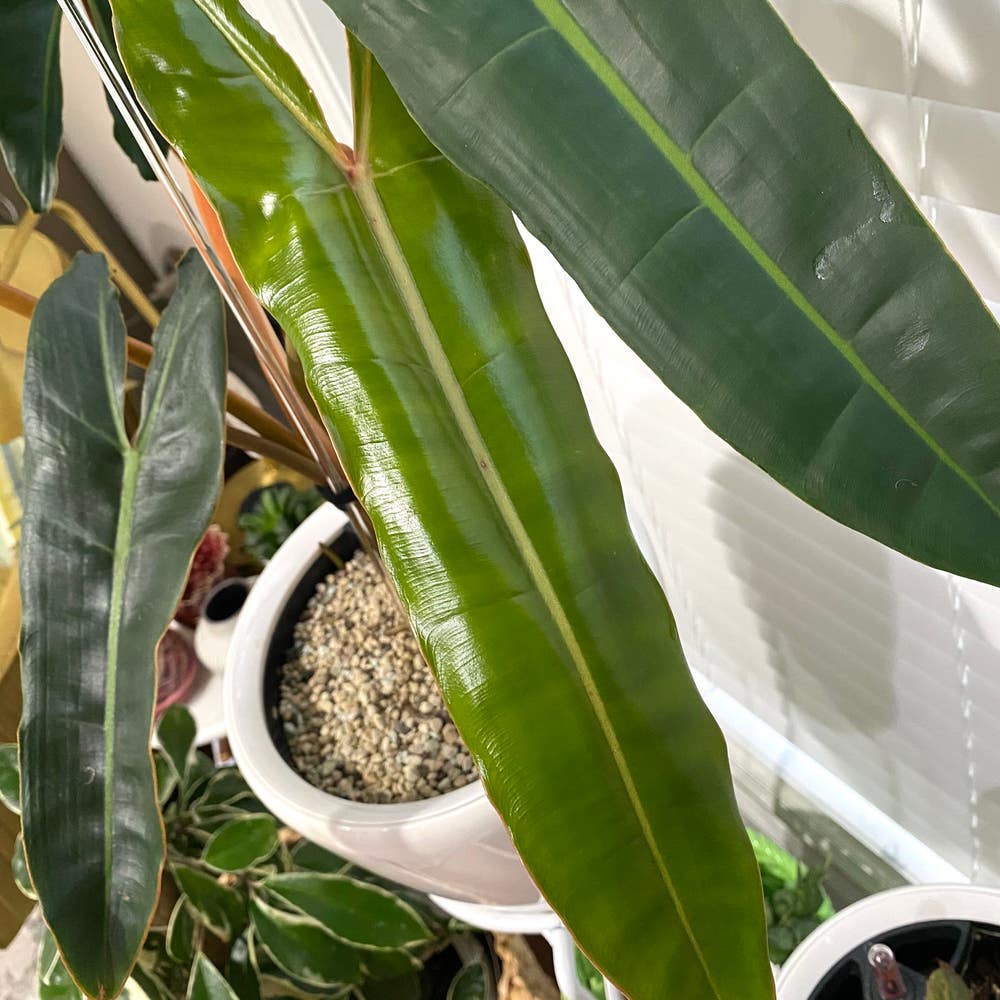
5 Tips for Growing Philodendron billietiae Indoors
Philodendron billietiae
By the Greg Editorial Team
Sep 29, 2024•5 min read
This article was created with the help of AI so we can cover more plants for you. May contain errors. See one? Report it here.
- 🌞 Philodendron billietiae thrives in bright, indirect sunlight; aim for 200-800 foot-candles.
- 💧 Water every 1-2 weeks; adjust based on humidity and temperature for optimal growth.
- 🌿 Maintain 60-80% humidity using humidifiers or pebble trays for healthy plants.
Light Requirements
Ideal Light Conditions for Growth 🌞
Philodendron billietiae thrives in bright, indirect sunlight. While it can tolerate low light, this often results in leggy growth, so aim for indoor light levels between 200-800 foot-candles for optimal health.
Role of Grow Lights 💡
Grow lights are essential for supplementing natural light, especially in dimly lit spaces. LED and fluorescent options are particularly effective for indoor growth, providing the necessary light spectrum for your plant.
How to Choose the Best Grow Light 🛠️
- Light Spectrum: Full-spectrum lights are ideal for promoting healthy growth.
- Wattage: For small to medium plants, a wattage of 20-40 watts is sufficient.
- Duration: Aim for 12-14 hours of light per day to ensure your Philodendron flourishes.
By understanding these light requirements, you can create an environment that supports the vibrant growth of your Philodendron billietiae. Next, let’s explore its watering needs to keep your plant thriving.
Watering Needs
Frequency and Method of Watering 🌊
Watering your Philodendron billietiae is crucial for its health. Aim to water every 1-2 weeks, adjusting based on humidity and temperature.
To ensure your plant thrives, water thoroughly until it drains from the bottom. This method promotes healthy root growth and prevents waterlogging.
Signs of Overwatering and Underwatering 🚨
Recognizing the signs of overwatering is essential. Look for yellowing leaves, mushy roots, and root rot as indicators that you might be giving your plant too much water.
On the flip side, underwatering can lead to wilting leaves, dry soil, and crispy leaf edges. Keep an eye on your plant's condition to maintain its vibrant health.
Understanding these watering needs will set you on the right path to nurturing your Philodendron billietiae. Next, let’s explore how to create the perfect humidity and temperature environment for your plant.
Humidity and Temperature
🌧️ Optimal Humidity Levels
Philodendron billietiae thrives in humidity levels between 60-80%. Maintaining this range is crucial for vibrant, healthy foliage.
To achieve optimal humidity, consider using humidifiers, pebble trays filled with water, or grouping your plants together. These methods create a microclimate that keeps your plant happy.
🌡️ Temperature Range for Healthy Growth
The ideal temperature for your philodendron is between 65°F to 80°F (18°C to 27°C). Staying within this range promotes robust growth and lush leaves.
Be mindful of temperature extremes. Protect your plant from cold drafts and sudden temperature changes to ensure it remains in its comfort zone.
With the right humidity and temperature, your philodendron will flourish, setting the stage for the next essential care aspect: soil and fertilization.
Soil and Fertilization
Best Soil Type 🌱
For your Philodendron billietiae, a well-draining potting mix enriched with organic matter is essential. This type of soil allows for proper aeration and moisture retention, creating a perfect environment for growth.
The ideal pH level for this plant ranges from 5.5 to 7.0. Maintaining this balance ensures that nutrients are readily available for your plant to absorb.
Fertilization Schedule and Types 🗓️
Fertilizing your Philodendron every 4-6 weeks during the growing season will keep it thriving. This regular feeding schedule helps replenish nutrients that may be depleted in the soil.
When it comes to fertilizers, opt for a balanced liquid fertilizer or slow-release granules. Both options provide essential nutrients without overwhelming your plant.
By ensuring the right soil and fertilization practices, you set the stage for a healthy, vibrant Philodendron billietiae. Next, let’s explore how to tackle common issues that may arise during its growth journey.
Common Issues and Solutions
🐛 Pests and Diseases
Common Pests
Philodendron billietiae can attract a few pesky pests.
- Spider Mites: Look for webbing and stippled leaves; these tiny creatures thrive in dry conditions.
- Mealybugs: These appear as cotton-like masses on stems and leaves, often hiding in the leaf axils.
🛡️ Prevention and Treatment Methods
Keeping your plant healthy starts with regular inspections.
- Regular Inspection: Check for pests weekly to catch any infestations early.
- Treatment Options: Use neem oil or insecticidal soap for effective pest control. You can also introduce beneficial insects like ladybugs to help manage the pest population.
🌪️ Environmental Stress
Signs of Stress
Environmental factors can stress your Philodendron.
- Leaf Curling or Browning: This often indicates low humidity or light stress.
- Stunted Growth: If your plant isn’t growing as expected, it may be due to inadequate light or nutrients.
⚙️ Solutions for Maintaining Optimal Conditions
To keep your Philodendron thriving, make a few adjustments.
- Adjusting Light Exposure: Move your plant to a brighter location or supplement with grow lights to enhance light levels.
- Increasing Humidity: Use a humidifier or mist the leaves regularly to boost humidity levels.
By staying vigilant and making these adjustments, you can ensure your Philodendron billietiae remains healthy and vibrant. Next, let’s explore the best soil and fertilization practices to support its growth.
Placement and Aesthetics
Best Locations in the Home 🌅
Finding the right spot for your Philodendron billietiae is crucial for its growth. Ideally, place it near east or west-facing windows where it can soak up filtered light.
Avoid direct sunlight, as it can scorch the leaves. Cold drafts are also a no-go; they can stress your plant and stunt its growth.
Tips for Maintaining Appearance ✂️
Regular pruning is essential to keep your plant looking its best. Remove any yellowing or damaged leaves to encourage new growth and maintain a tidy appearance.
Consider using support structures like moss poles or trellises. These not only help your plant climb but also add an attractive element to your indoor space.
Companion Plants 🌿
Choosing the right companions can enhance your plant's environment. Suitable companions for Philodendron billietiae include Pothos, peace lilies, and ferns.
Companion planting offers benefits like improved humidity levels and a visually appealing arrangement. This can create a lush, vibrant indoor garden that elevates your living space.
As you explore the aesthetics of your indoor garden, remember that the right placement and companions can make all the difference. Next, let’s dive into the common issues you might encounter and how to tackle them effectively.
⚠️ Safety First
This content is for general information and may contain errors, omissions, or outdated details. It is not medical, veterinary advice, or an endorsement of therapeutic claims.
Always consult a qualified healthcare professional before using any plant as food, medicine, or supplement.
Never eat any plant (or feed one to pets) without confirming its identity with at least two trusted sources.
If you suspect poisoning, call Poison Control (800) 222-1222, the Pet Poison Helpline (800) 213-6680, or your local emergency service immediately.
Spotted an error? Please report it here.
Transform your indoor space into a Philodendron paradise 🌿 with Greg's tailored care reminders and expert community tips to keep your plant thriving and vibrant!