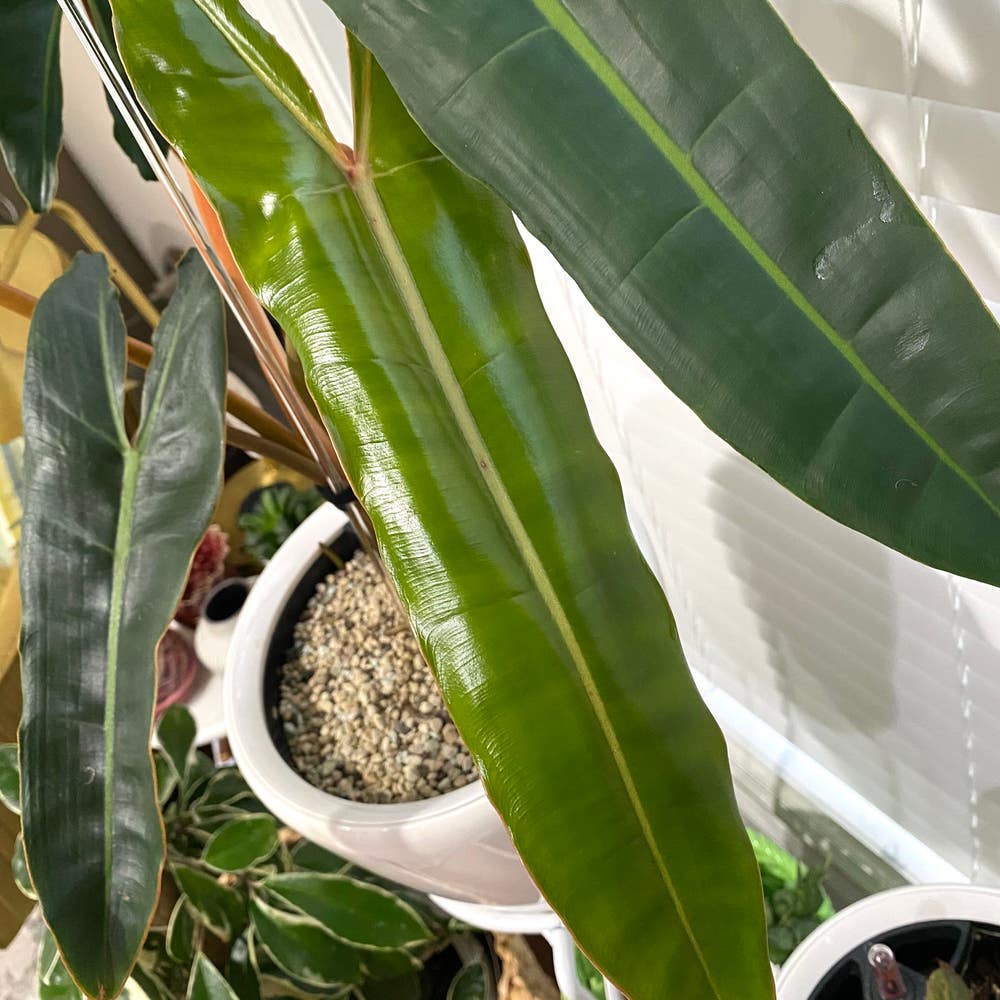
Should I Repot My Philodendron billietiae And If So, How?
Philodendron billietiae
By the Greg Editorial Team
Jun 18, 2024•5 min read
This article was created with the help of AI so we can cover more plants for you. May contain errors. See one? Report it here.
- Roots escaping and slow growth? Time to repot your Philodendron billietiae.
- 🌱 Choose the right pot: Terracotta, plastic, or ceramic with drainage holes.
- Post-repot care: Water wisely and watch for stress signals.
When Your Philodendron billietiae Says "New Home, Please"
Your Philodendron billietiae will clearly signal when it's time to consider repotting. Here's how to decode those signs.
🌱 Roots on the Run
If you're watering more often or notice roots escaping through the drainage holes, it's not just a quirky plant behavior. It's a distress call for more space.
💧 Water That Won't Stick Around
When water zips through the pot like a kid on a waterslide, it's not sticking around long enough to hydrate the soil. This is a classic sign that the soil is too compacted or the plant is too big for its britches.
📏 Growth Going Nowhere?
If your Philodendron billietiae's growth has hit a plateau, it might be cramped. Like a teenager in a toddler's bed, it needs room to stretch out.
🏺 Pot Upgrade Time
When your plant's pot is bulging or cracking, it's more than an aesthetic issue. It's like a tight pair of jeans after Thanksgiving dinner—uncomfortably snug.
🕳️ Drainage Holes: The Great Escape
Roots peeking out of the drainage holes aren't just saying hello. They're screaming for a new home.
🌱 The Soil Situation
Is the soil in your pot more packed than a rush-hour subway? If you can't aerate it easily, your plant's roots are likely suffocating.
Remember, repotting isn't just about giving your plant a new look—it's about ensuring its health and vitality. Keep an eye out for these signs, and your Philodendron billietiae will thank you with lush, vibrant growth.

Choosing a Swanky New Pot
🏺 Terracotta vs. Plastic vs. Ceramic: The Great Pot Debate for Philodendron billietiae
When it comes to housing your Philodendron billietiae, material matters. Terracotta is the old faithful—porous, letting roots breathe and preventing water from overstaying its welcome. Plastic is the lightweight contender, cheap and cheerful, but watch out for soggy soil situations. Ceramic? The stylish middle child—less porous than terracotta but with a flair for design.
📏 Size Matters: Picking a Pot That's Just Right
Two inches—that's the magic number. Choose a pot that's about two inches larger in diameter than the current root ball. It's like upgrading from a studio to a one-bedroom apartment; your plant gets space without feeling lost in a mansion. Avoid the temptation to go supersize; too much room can lead to overwatering and the dreaded root rot.
🕳️ Don't Forget the Drainage: Why Holes Are a Must-Have
Drainage holes are non-negotiable. They're the escape route for excess water, the difference between a thriving plant and a swampy mess. If you fall for a pot without holes, get ready to drill or layer the bottom with gravel. But let's be real, holes are simpler and far less hassle.

The Repotting Rodeo: Step-by-Step
🗣️ Pre-Repotting Pep Talk
Before diving into the repotting process, hydrate your Philodendron billietiae. Think of it as a pre-game ritual to ease the transition.
Inspect the roots carefully. Healthy roots are firm and light-colored, while dark, mushy roots signal trouble. Snip away any rot with sterilized scissors – it's surgery, not a hack job.
🌱 The Main Event: Repotting Your Plant
🌱 Soil Selection
Choose a soil mix that's like a tailored suit for your Philodendron billietiae – well-draining and airy. A blend of peat, perlite, and vermiculite usually does the trick.
🌿 Plant Positioning
Gently place your plant in its new abode, centering it like the star of the show. This isn't just about aesthetics; it's about balance and growth.
🌱 Soil Tucking
Surround your Philodendron billietiae with soil, tucking it in snugly. Firm the soil around the base to eliminate air pockets without compacting it into concrete. Your plant's not wearing a corset; it needs to breathe.

Post-Repotting Care: The First Few Weeks
💧 Watering Wisdom
After the repotting hustle, your Philodendron billietiae is parched. Water it thoroughly but don't drown it in your love. The goal is to moisten the new soil and help roots settle. Wait for the top inch to dry before the next watering session. Overwatering is the fast track to root rot, so keep it on the dry side of damp.
🚨 Spotting Stress Signals
Your plant's going through a lot, and it might show. Yellow leaves? Could be stress, or just the old guard making way for new growth. Droopiness is normal, but if it's lasting longer than your last diet, there's a problem. Keep it out of direct sunlight; think of it as a plant with a hangover—it needs a gentle environment.
🔄 Adjusting Water and Light
Initially, your Philodendron billietiae needs a consistent watering schedule. But if the soil feels like a wet sponge, cut back. If it's as dry as a stand-up comedian's wit, increase watering. Light is crucial too. Bright, indirect light is like a cozy blanket for your plant—comforting but not smothering.
🔍 Troubleshooting Tips
If your green buddy's throwing a fit, reassess the basics. Check the roots—healthy ones are firm, not mushy. Pests? Evict them with insecticidal soap. And remember, stability is key—no shuffling your plant around like it's in the witness protection program.
⚠️ Safety First
This content is for general information and may contain errors, omissions, or outdated details. It is not medical, veterinary advice, or an endorsement of therapeutic claims.
Always consult a qualified healthcare professional before using any plant as food, medicine, or supplement.
Never eat any plant (or feed one to pets) without confirming its identity with at least two trusted sources.
If you suspect poisoning, call Poison Control (800) 222-1222, the Pet Poison Helpline (800) 213-6680, or your local emergency service immediately.
Spotted an error? Please report it here.
Keep your Philodendron billietiae flourishing 🌱 with Greg's personalized reminders for the perfect repotting time and tips from this guide!