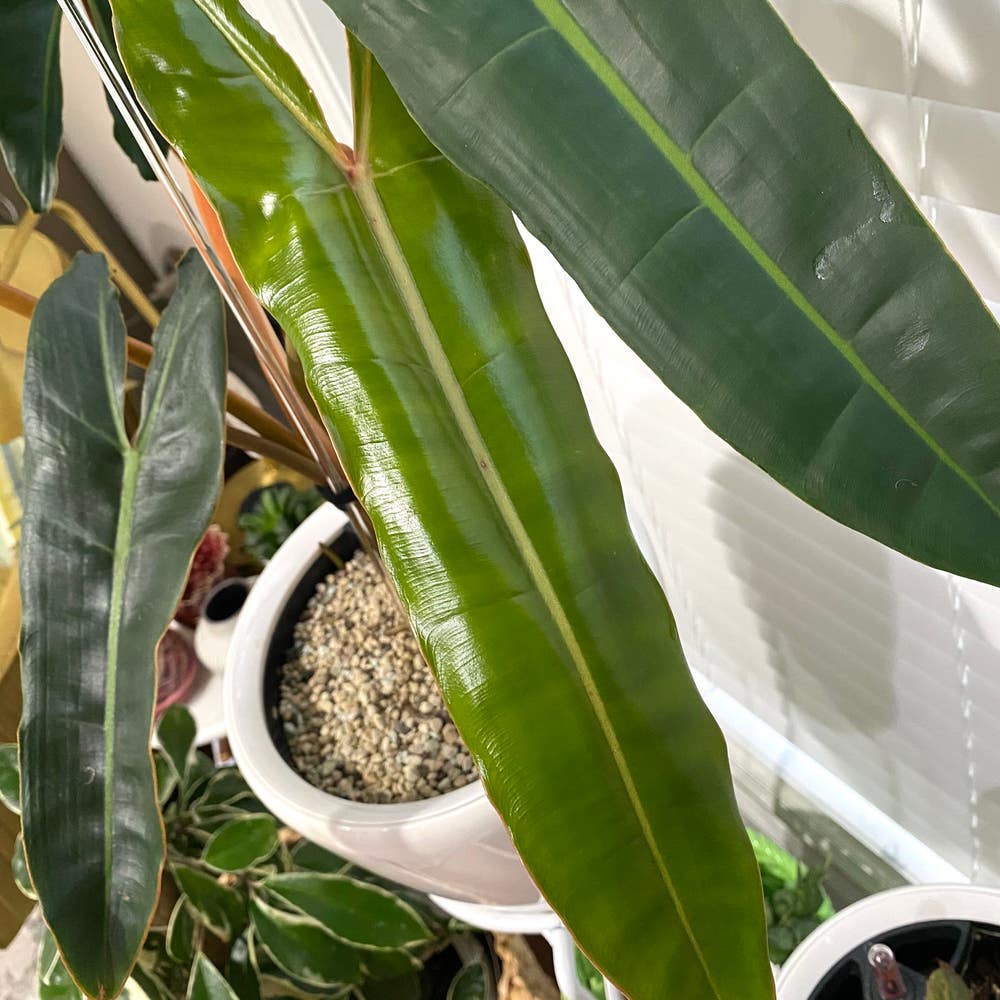
Best Spots to Plant Your Philodendron billietiae 💧
Philodendron billietiae
By the Greg Editorial Team
Sep 29, 2024•5 min read
This article was created with the help of AI so we can cover more plants for you. May contain errors. See one? Report it here.
- 🌞 Philodendron billietiae thrives in bright, indirect sunlight for 6-8 hours daily.
- 🌿 Ideal spots include east-facing windows or shaded areas under taller plants.
- 💧 Use well-draining, organic soil and maintain humidity above 60% for optimal growth.
Sunlight Exposure Requirements
Optimal Conditions 🌞
For your Philodendron billietiae, bright, indirect sunlight is the golden ticket. Aim for about 6-8 hours of this gentle light each day to keep your plant thriving.
Signs of Inadequate Sun Exposure 🚨
If you notice yellowing leaves, it’s a clear sign your plant isn’t getting enough light. Stunted growth can also occur, as the plant struggles to gather energy for photosynthesis.
Best Spots for Sun Exposure 🪴
Indoors, position your Philodendron near east-facing windows to capture that perfect morning glow. Outdoors, look for spots under the canopy of taller plants; this will filter harsh sunlight while still providing the light your plant craves.
By understanding these sunlight exposure requirements, you set the stage for a healthy, vibrant Philodendron billietiae. Next, let’s explore its shade tolerance and preferences to ensure it thrives in various lighting conditions.
Shade Tolerance and Preferences
Tolerance Levels 🌱
Philodendron billietiae is quite adaptable. While it can tolerate low light, it truly thrives in moderate shade.
Ideal Shade Locations 🌳
Look for spots that offer dappled sunlight. Areas under trees or near structures that provide partial shade are perfect for this plant.
Impact of Excessive Shade 🌑
Too much shade can hinder growth. If placed in overly shaded areas, you might notice leggy and sparse growth, which is a sign that your plant is struggling.
Understanding the balance between light and shade is crucial for the health of your Philodendron billietiae. Next, let’s explore the ideal soil conditions for optimal growth.
Soil Conditions
Ideal Soil Type and Composition 🌱
For your Philodendron billietiae, the right soil is crucial. Aim for well-draining, rich organic soil to promote healthy growth.
A recommended soil mix includes:
This combination ensures aeration and moisture retention, creating a thriving environment for your plant.
Soil pH Preferences ⚗️
The pH level of your soil matters more than you might think. Philodendron billietiae prefers a slightly acidic to neutral pH, ideally between 6.0 and 7.0.
Maintaining this pH range helps your plant absorb nutrients effectively, leading to vibrant foliage and robust growth.
Drainage Needs and Solutions 🚿
Good drainage is non-negotiable for Philodendron billietiae. Always ensure that pots or garden beds have drainage holes to prevent waterlogging.
In outdoor settings, consider using mulch or gravel to enhance drainage. This simple step can make a significant difference in preventing root rot and keeping your plant healthy.
By focusing on these soil conditions, you set the stage for your Philodendron billietiae to flourish. Next, let’s explore effective site selection strategies to maximize its growth potential.
Site Selection Strategies
Assessing Microclimates 🌡️
Finding the right microclimate for your Philodendron billietiae is crucial. Look for spots that retain warmth and humidity, like areas near walls or fences.
Consider how surrounding plants affect light and moisture levels. A well-placed shrub can provide the perfect balance of shade and sunlight.
Proximity to Structures and Other Plants 🏠
Keep your Philodendron at least 2-3 feet away from other plants. This distance helps avoid competition for nutrients and light, allowing your plant to thrive.
Be mindful of structures that might block sunlight. A little planning goes a long way in ensuring your plant gets the light it needs.
Wind Protection Considerations 🌬️
Choose locations that are shielded from strong winds. Wind can damage leaves and stunt growth, so protection is key.
Natural barriers like hedges or fences can offer excellent windbreaks. They not only protect your plant but can also enhance the overall aesthetic of your garden.
By carefully considering these site selection strategies, you can create an ideal environment for your Philodendron billietiae. Next, let’s dive into practical tips for choosing the best spot for your plant.
Practical Tips for Choosing the Best Spot
Evaluating Light Levels Throughout the Day 🌞
To find the perfect spot for your Philodendron billietiae, start by observing how sunlight moves across your planting area. This simple step can reveal the best locations for optimal light exposure.
If you're unsure, consider using a light meter to measure light intensity. This tool can help you pinpoint areas that provide the ideal conditions for your plant.
Testing Soil Conditions Before Planting 🧪
Before planting, conduct a soil test to assess drainage and nutrient levels. Understanding your soil's composition is crucial for your plant's health.
Amend the soil as needed to create the ideal conditions. A well-prepared soil mix can make all the difference in your plant's growth.
Observing Environmental Factors (Humidity, Temperature) 🌡️
Humidity plays a vital role in the health of your Philodendron. Aim for levels of 60% or higher for optimal growth.
Additionally, avoid areas with extreme temperature fluctuations or cold drafts. A stable environment will help your plant thrive and flourish.
By following these practical tips, you'll be well on your way to creating a nurturing space for your Philodendron billietiae. Next, let’s explore common mistakes in site selection to ensure you avoid pitfalls that could hinder your plant's growth.
Common Mistakes in Site Selection
🌞 Overexposure to Direct Sunlight
One of the most common mistakes is placing your Philodendron billietiae in full sun. This can scorch the leaves, leading to irreversible damage.
🚰 Poor Drainage Areas
Avoid low-lying areas where water tends to pool after rain. These spots can lead to waterlogged soil, which is detrimental to your plant's health.
🌬️ Neglecting Wind Protection
Failing to provide adequate wind protection can result in damaged foliage and stunted growth. Choose locations that are shielded from strong winds to keep your plant thriving.
By being mindful of these common pitfalls, you can create an ideal environment for your Philodendron billietiae. Next, let’s explore practical tips for choosing the best spot for your plant.
⚠️ Safety First
This content is for general information and may contain errors, omissions, or outdated details. It is not medical, veterinary advice, or an endorsement of therapeutic claims.
Always consult a qualified healthcare professional before using any plant as food, medicine, or supplement.
Never eat any plant (or feed one to pets) without confirming its identity with at least two trusted sources.
If you suspect poisoning, call Poison Control (800) 222-1222, the Pet Poison Helpline (800) 213-6680, or your local emergency service immediately.
Spotted an error? Please report it here.
Help your Philodendron billietiae thrive in style 🌿 by using Greg's tailored care reminders to ensure it gets the perfect light and soil conditions!