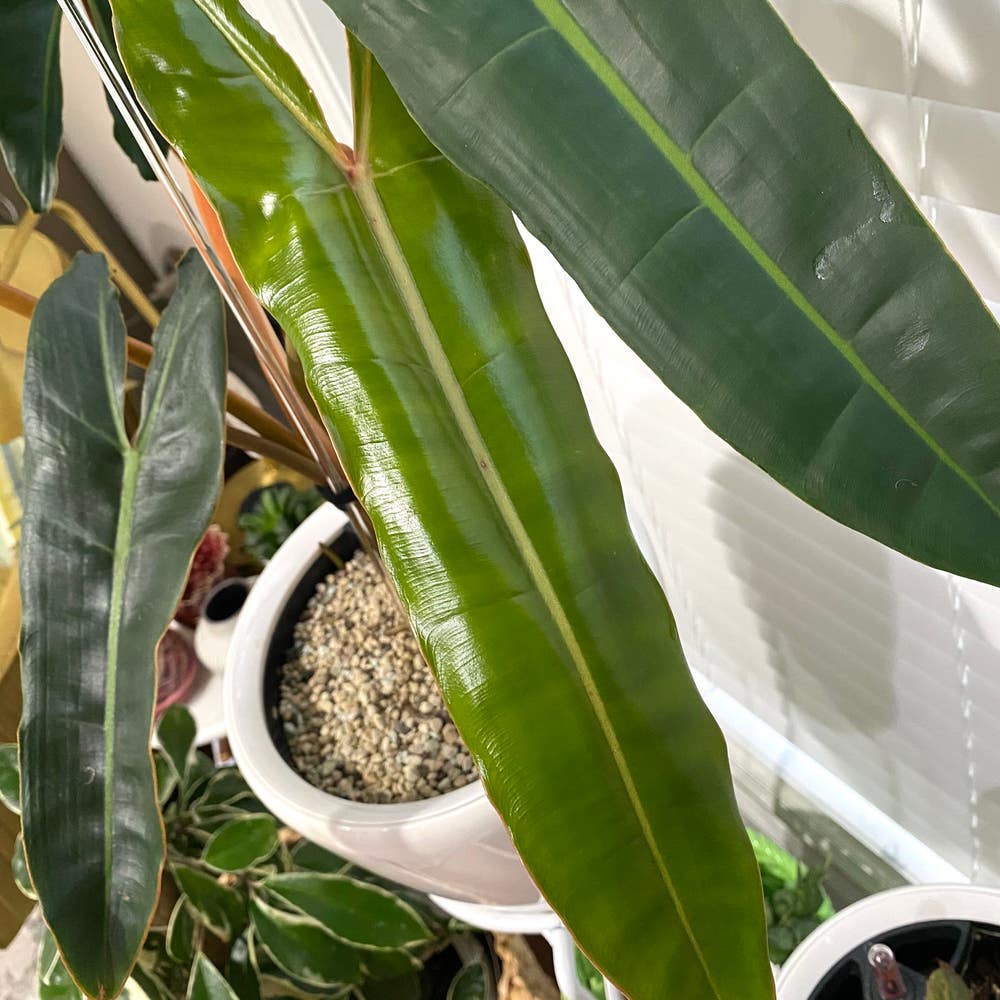
🐛 What Are The Bugs on My Philodendron billietiae?
Philodendron billietiae
By the Greg Editorial Team
Jun 18, 2024•2 min read
This article was created with the help of AI so we can cover more plants for you. May contain errors. See one? Report it here.
- Spider mites and mealybugs: Look for stippling, webbing, or white patches.
- Scale and gnats: Yellow leaves and soil flies signal these pests.
- Prevent pests with plant hygiene, quarantine, and proper humidity.
Meet the Uninvited: Common Pests on Philodendron billietiae
🕷️ Spider Mites: The Tiny Web Weavers
Spotting the Signs: Look for stippling on leaves, a sign they're being sucked dry, and tiny webbing for their hideouts. Kicking Them Out: Boost humidity to spoil their vibe and apply neem oil to send them packing.
🦠 Scale: The Sticky Stowaways
Unmasking the Camouflage: Yellowing leaves and sticky honeydew are telltale signs of these sap-suckers. Eviction Tactics: Swipe them off with alcohol swabs and douse with horticultural oil for good measure.
🦟 Fungus Gnats and Fruit Flies: The Soil Lurkers
Catching the Culprits: Adult flies and larvae in soil are the smoking gun. Clearing the Air: Let the soil dry out and set up sticky traps to end their house party.
🐛 Mealybugs: The Fluffy Vandals
Identifying the Intruders: Watch for stunted growth and suspicious white patches. Cleaning House: Alcohol, neem, and soap are your arsenal against these fluffy fiends.
Other Possible Pests
Thrips and aphids might show up uninvited. If so, show them the door with the same firm hand.

Bug Off: Preventative Measures for Philodendron billietiae
🧹 Keeping It Clean: Plant Hygiene Basics
Cleanliness isn't just for show; it's a frontline defense against pests. Wipe down your Philodendron billietiae's leaves regularly to prevent dust and pest attraction. Sanitize your pruning tools before each use to stop the spread of potential diseases. Fallen leaves? They're an open house for pests, so keep the area around your plant debris-free.
🚫 The Quarantine Rule: Inspecting New Plants
New plants can be like that friend who crashes on your couch and brings unexpected company. Quarantine them for a few weeks to ensure they're not harboring any freeloaders. Inspect them like a hawk for signs of pests before introducing them to your plant family.
💨 Crafting the Ideal Environment: Airflow and Humidity
Your Philodendron billietiae doesn't have lungs, but it still appreciates good airflow. A gentle fan can keep the air moving and discourage stagnant conditions that pests love. Humidity is a double-edged sword; while your tropical friend thrives in it, so do some pests. Aim for that sweet spot—use a humidifier or a pebble tray to maintain the right levels without turning your plant corner into a bug sauna.


⚠️ Safety First
This content is for general information and may contain errors, omissions, or outdated details. It is not medical, veterinary advice, or an endorsement of therapeutic claims.
Always consult a qualified healthcare professional before using any plant as food, medicine, or supplement.
Never eat any plant (or feed one to pets) without confirming its identity with at least two trusted sources.
If you suspect poisoning, call Poison Control (800) 222-1222, the Pet Poison Helpline (800) 213-6680, or your local emergency service immediately.
Spotted an error? Please report it here.
Keep your Philodendron billietiae pest-free 🌿 with Greg's custom care plans and a community ready to help you tackle any bug battle.