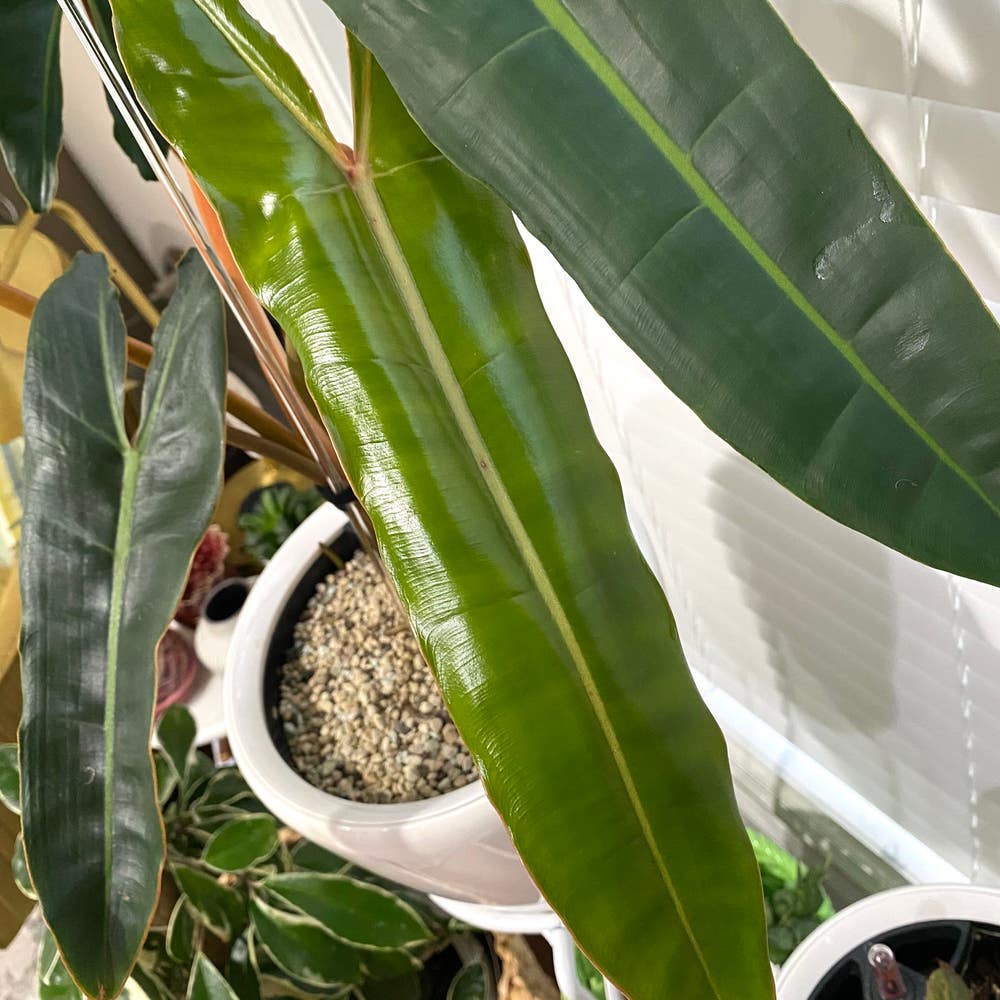
☀️ Best Climate for Philodendron billietiae: Zones 10a-12b
Philodendron billietiae
By the Greg Editorial Team
Sep 29, 2024•5 min read
This article was created with the help of AI so we can cover more plants for you. May contain errors. See one? Report it here.
- 🌡️ Philodendron billietiae thrives in USDA zones 10a-12b, ideal for warm climates.
- 💧 Humidity above 50% and indirect sunlight are crucial for optimal growth.
- 🌍 Microclimates in coastal areas can expand growing potential beyond typical hardiness zones.
Temperature Tolerance
Cold Tolerance Specifics ❄️
Philodendron billietiae can tolerate minimum temperatures down to 50°F (10°C). However, it is sensitive to frost, which can severely damage its leaves and stunt growth.
Heat Tolerance Specifics 🔥
On the flip side, this plant can endure maximum temperatures of around 95°F (35°C). High humidity becomes crucial during these hot spells, as it helps the plant cope with heat stress.
Ideal Temperature Ranges for Growth 🌡️
For optimal growth, aim for a temperature range of 65°F to 85°F (18°C to 29°C). Fluctuations outside this range can lead to stress, affecting overall plant health and vitality.
Understanding these temperature tolerances is essential for creating the perfect environment for your Philodendron billietiae. Next, let’s explore the ideal regions for growing this stunning plant.
Ideal Regions for Growing
🌍 Examples of US States in Suitable Zones
Philodendron billietiae thrives in USDA zones 10a to 12b, making several states ideal for its growth. Notable states include:
- California: Coastal areas and the southern regions provide a perfect blend of warmth and humidity.
- Florida: The entire state offers a tropical climate, especially in the southern parts.
- Texas: Areas like Houston and the Gulf Coast are particularly favorable.
- Hawaii: The consistent warmth and humidity create an ideal environment.
- Arizona: Parts of southern Arizona, especially near Tucson, can support this plant.
These regions not only meet temperature requirements but also provide the necessary humidity levels for optimal growth.
🌧️ Factors Contributing to Ideal Growing Conditions
Humidity Levels
High humidity is crucial for Philodendron billietiae. This tropical plant flourishes in environments where humidity levels are consistently above 50%.
Rainfall Patterns
Regular rainfall helps maintain soil moisture, which is vital for the health of Philodendron billietiae. Areas that receive an average of 30 to 50 inches of rain annually are particularly suitable.
☀️ Sunlight Exposure
Philodendron billietiae prefers indirect sunlight. In these ideal regions, you can achieve this by placing the plant near a window with filtered light or using sheer curtains to soften direct rays.
These factors combined create a nurturing environment, allowing Philodendron billietiae to thrive and showcase its stunning foliage.
As we explore further, understanding microclimates will reveal how even cooler areas can support this tropical beauty.
Microclimates and Their Impact
🌍 Definition and Importance
Microclimates are localized climate variations that differ from the broader climate zone surrounding them. These unique environments can be influenced by various factors, including topography, bodies of water, and urban development.
🌄 Factors Creating Microclimates
- Topography: Hills and valleys can trap heat or cold, creating warmer or cooler pockets.
- Bodies of Water: Lakes and rivers moderate temperatures, providing a more stable environment.
- Urban Areas: Concrete and asphalt absorb heat, often resulting in warmer conditions than nearby rural areas.
🌱 Extending Growing Range
Microclimates can significantly expand the growing range for plants like Philodendron billietiae, allowing them to thrive even outside their typical hardiness zones. By leveraging these localized conditions, gardeners can cultivate tropical plants in regions that would otherwise be too cold.
🌊 Examples of Supportive Microclimates
- Coastal Areas: Near oceans, where temperatures remain milder due to water's heat-retaining properties.
- Protected Valleys: Where surrounding hills shield plants from harsh winds and frost.
- Urban Gardens: Rooftop gardens in cities can create warmer microclimates, ideal for tropical species.
Understanding microclimates can empower gardeners to make informed decisions about where to plant Philodendron billietiae, maximizing their chances of success. As we explore the specific states suitable for this plant, consider how local conditions can further influence your gardening endeavors.
State-Level Suitability Analysis
🌱 Suitable States
Philodendron billietiae thrives in USDA hardiness zones 10a to 12b. The following states are prime candidates for successful growth:
- California: Coastal areas provide the perfect blend of warmth and humidity.
- Florida: The tropical climate is ideal, with abundant rainfall and sunshine.
- Texas: Regions like the Gulf Coast offer the right conditions for this plant.
- Hawaii: Naturally suited for tropical plants, Hawaii's climate is a haven for Philodendron.
- Louisiana: High humidity and warm temperatures create a favorable environment.
- Parts of Arizona: Areas with higher elevation can provide the right balance of heat and moisture.
These states maintain the warm temperatures and humidity levels necessary for Philodendron billietiae to flourish.
❌ Unsuitable States
Conversely, some states fall outside the ideal growing conditions for Philodendron billietiae. These include:
- North Dakota
- Montana
- Maine
These states typically reside in USDA zones below 10a. Cold temperatures, frequent frost occurrences, and low humidity levels make it challenging for Philodendron billietiae to survive.
🌦️ Climate Factors Analysis
Understanding climate factors is crucial for assessing the viability of growing Philodendron billietiae.
- Temperature Extremes: These plants prefer a consistent temperature range. Extreme cold can damage or kill them.
- Frost Dates: Knowing the first and last frost dates helps determine safe planting times. Late frosts can be particularly damaging.
- Humidity Levels: High humidity is essential for the health of Philodendron billietiae. Low humidity can lead to stress and poor growth.
These factors collectively influence whether Philodendron billietiae can thrive in various states. By considering these elements, you can make informed decisions about where to plant this beautiful tropical species.
As we explore further, understanding microclimates will reveal even more about how to successfully cultivate Philodendron billietiae in less-than-ideal conditions.
⚠️ Safety First
This content is for general information and may contain errors, omissions, or outdated details. It is not medical, veterinary advice, or an endorsement of therapeutic claims.
Always consult a qualified healthcare professional before using any plant as food, medicine, or supplement.
Never eat any plant (or feed one to pets) without confirming its identity with at least two trusted sources.
If you suspect poisoning, call Poison Control (800) 222-1222, the Pet Poison Helpline (800) 213-6680, or your local emergency service immediately.
Spotted an error? Please report it here.
Grow your Philodendron billietiae like a pro 🌿 with Greg's tailored care reminders, ensuring it thrives in its ideal climate!