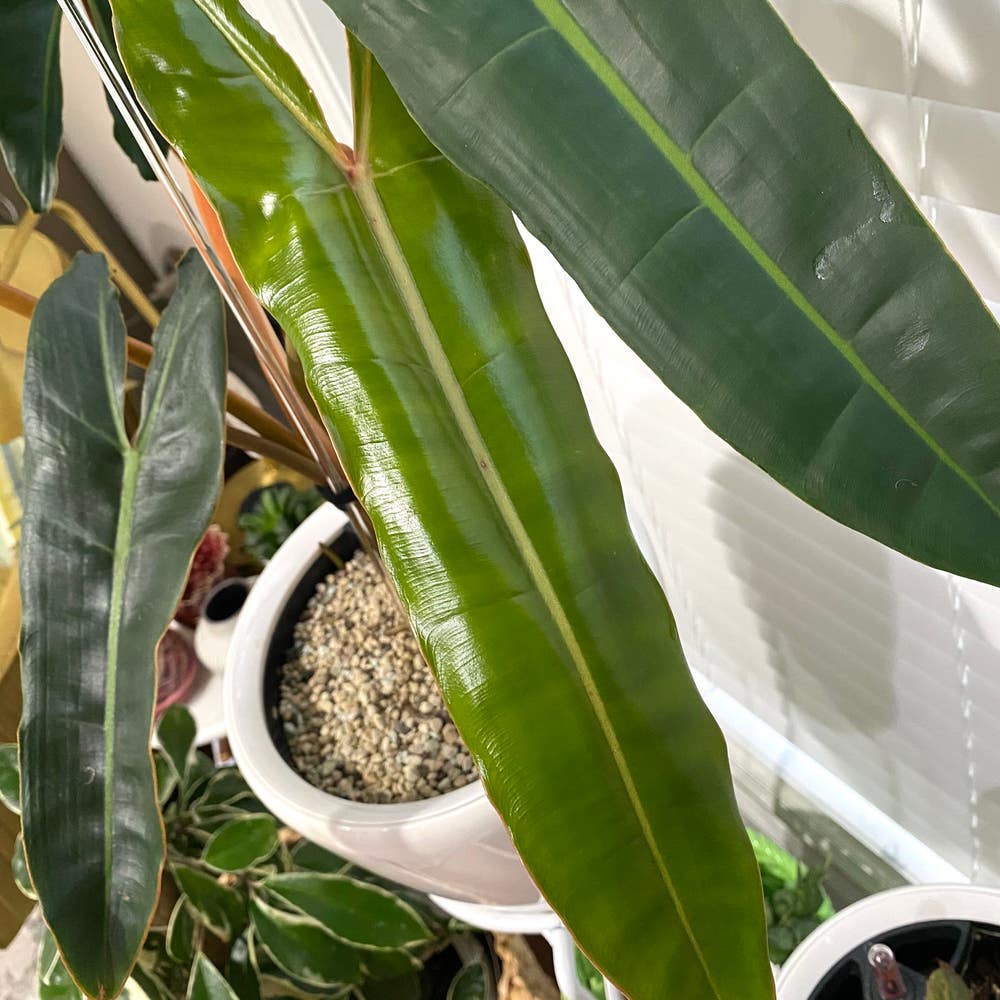
🌸 4 Easy Ways to Pollinate Philodendron billietiae
Philodendron billietiae
By the Greg Editorial Team
Sep 29, 2024•6 min read
This article was created with the help of AI so we can cover more plants for you. May contain errors. See one? Report it here.
- 🌼 Philodendron billietiae's unique flowers enable both self and cross-pollination for resilience.
- 🐝 Bees, moths, and butterflies are essential for effective pollination and seed production.
- 🌱 Hand pollination boosts reproduction when natural pollinators are scarce or absent.
Flower Structure
Description of Flower Characteristics 🌸
Philodendron billietiae boasts a striking inflorescence featuring a unique spadix enveloped by a spathe. This spathe typically showcases a green or cream hue, providing both beauty and protection.
The flower's petals and sepals are minimalistic, allowing the spadix to take center stage. This arrangement of stamens and pistils is cleverly designed to support both self-pollination and cross-pollination, adapting to varying environmental conditions.
Role in Pollination 🐝
The flower structure is a magnet for pollinators like bees and moths. Its design ensures easy access, making it inviting for these essential species.
Moreover, the spathe's color and shape enhance visibility amidst the dense foliage of tropical environments. This attraction is crucial for encouraging pollinator visits, which are vital for successful reproduction.
With such an intriguing flower structure, Philodendron billietiae not only captivates the eye but also plays a significant role in its ecosystem. Understanding this can deepen your appreciation for these remarkable plants and their intricate relationships with nature.
As we explore the pollination process next, you'll see how these structural features come into play in both self-pollination and cross-pollination.
Pollination Process
Self-Pollination 🌱
Philodendron billietiae has a remarkable ability to self-pollinate. This feature ensures reproduction even when pollinators are absent, making it resilient in various conditions.
The benefits of self-pollination are significant. It guarantees seed production, especially under suboptimal environmental circumstances.
Cross-Pollination 🦋
While self-pollination is effective, cross-pollination plays a crucial role in enhancing genetic diversity. This diversity leads to healthier offspring, which is vital for the plant's long-term survival.
The primary pollinators for Philodendron billietiae include bees, moths, and butterflies. These creatures are naturally drawn to the plant's unique flower structure, making them essential partners in the pollination process.
Pollinator Interactions 🐝
Bees are particularly important as they collect nectar and pollen. Their activity facilitates the transfer of pollen between flowers, promoting successful fertilization.
Moths contribute to the pollination process as well. Active at night, they are attracted by the plant's scent, ensuring that pollination occurs even after the sun sets.
Butterflies also play a key role. Their feeding habits encourage cross-pollination as they flit from flower to flower, spreading pollen in the process.
Understanding these interactions highlights the intricate relationships between plants and their pollinators. This knowledge can inspire us to create environments that support these vital species.
Next, we will explore the natural mechanisms that facilitate pollen transfer in Philodendron billietiae.
Natural Pollination Mechanisms
🌬️ Pollen Transfer
Wind and insect activity are crucial for transferring pollen from the male to female flower parts of Philodendron billietiae. The timing of flower opening and the activity of pollinators must align for successful pollen transfer.
🌱 Importance for Reproduction
Successful pollination is essential for fruit and seed production, which sustains the plant's lifecycle. Moreover, genetic diversity resulting from effective pollination enhances resilience against diseases and environmental changes.
Understanding these natural mechanisms not only enriches your knowledge but also empowers you to support the thriving ecosystem around your plants. Next, let’s explore effective hand pollination techniques to ensure your Philodendron billietiae thrives, even in challenging conditions.
Hand Pollination Techniques
Hand pollination can be a rewarding way to ensure your Philodendron billietiae thrives, especially when natural pollinators are scarce. Here’s a straightforward guide to help you through the process.
Step-by-Step Instructions 🌱
Identify Male and Female Flower Parts:
Start by locating the male parts, known as stamens, which are situated on the spadix. The female parts, or pistils, are found at the base of the spadix.Collecting Pollen:
Use a small brush or cotton swab to gently gather pollen from the male flower. This step is crucial for successful hand pollination.Transferring Pollen:
Carefully apply the collected pollen to the female flower parts. Ensure you cover the pistils adequately for effective fertilization.Timing:
Perform hand pollination during the flower's peak opening period. This timing maximizes your chances of successful pollination.
Why Hand Pollination Matters 🌼
Hand pollination is not just a backup plan; it can also enhance your plant's reproductive success. By taking this initiative, you're actively participating in the life cycle of your Philodendron billietiae.
Final Thoughts 🌟
With these techniques, you can help your plant flourish even in less-than-ideal conditions. Next, let’s explore how to create a pollinator-friendly environment to support your efforts.
Supporting Pollinators
🌼 Creating a Pollinator-Friendly Environment
To attract a variety of pollinators, plant a diverse array of flowering species. This not only enhances your garden's beauty but also provides essential resources for bees, butterflies, and other beneficial insects.
Avoid using pesticides that can harm these vital pollinators. Instead, opt for natural pest control methods to maintain a healthy ecosystem.
🌸 Companion Plants
Consider adding companion plants like marigolds, lavender, and bee balm to your garden. These flowers are not only visually appealing but also serve as magnets for bees and butterflies, boosting pollination for your Philodendron billietiae.
By fostering a welcoming environment for pollinators, you contribute to the health of your plants and the broader ecosystem. This small effort can lead to vibrant blooms and fruitful growth.
Creating a thriving habitat for pollinators sets the stage for successful pollination, ensuring your plants flourish. Next, let’s explore some common challenges in the pollination process and how to overcome them.
Pollination Challenges
Common Obstacles 🌪️
Pollination can be tricky for Philodendron billietiae due to various environmental factors. Temperature fluctuations and humidity levels can significantly impact pollinator activity, making it harder for these plants to reproduce effectively.
Urban settings pose another challenge, often lacking the natural pollinators that thrive in more rural environments. This scarcity can lead to reduced pollination rates, affecting the plant's overall health and reproduction.
Solutions 💡
To combat these challenges, consider creating a microclimate that maintains humidity and warmth. This environment can encourage pollinator activity, making it more likely for your plants to receive the attention they need.
If natural pollination proves insufficient, hand pollination serves as a reliable backup method. By taking this proactive approach, you can ensure that your Philodendron billietiae continues to thrive, even in less-than-ideal conditions.
With these strategies in place, you'll be well-equipped to support your plants and enhance their chances of successful pollination. Next, let’s explore how to create a pollinator-friendly environment that attracts beneficial insects.
⚠️ Safety First
This content is for general information and may contain errors, omissions, or outdated details. It is not medical, veterinary advice, or an endorsement of therapeutic claims.
Always consult a qualified healthcare professional before using any plant as food, medicine, or supplement.
Never eat any plant (or feed one to pets) without confirming its identity with at least two trusted sources.
If you suspect poisoning, call Poison Control (800) 222-1222, the Pet Poison Helpline (800) 213-6680, or your local emergency service immediately.
Spotted an error? Please report it here.
Unlock the secret to thriving Philodendron billietiae 🌼 by using Greg's tailored tips for successful pollination and creating a pollinator-friendly environment!