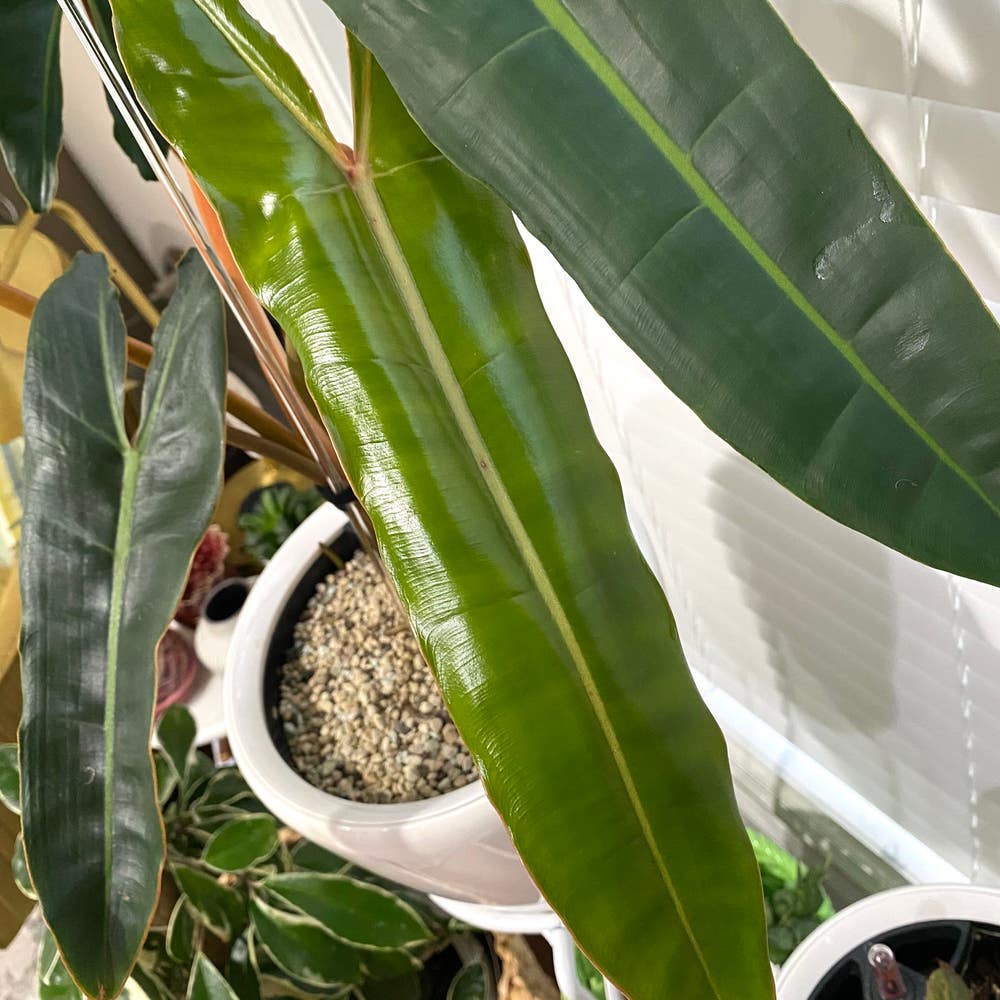
Diagnosing Philodendron Billietiae Root Rot
Philodendron billietiae
By the Greg Editorial Team
Jun 18, 2024•5 min read
This article was created with the help of AI so we can cover more plants for you. May contain errors. See one? Report it here.
- Discoloration and wilting signal potential root rot in Philodendron billietiae.
- Prune infected roots and repot in well-draining soil for recovery.
- Prevent rot by monitoring soil moisture and adjusting watering habits.
Spotting the Red Flags: Symptoms of Root Rot
🚨 Visual Distress Signals
Philodendron billietiae communicates distress through its leaves and stems. Discoloration, such as yellowing or browning, is the plant's SOS signal. Texture changes, like wilting or a mushy feel, are equally alarming. These symptoms are the plant's way of saying, "Hey, I'm not okay!"
🌱 Below the Surface
The true story unfolds beneath the soil. Healthy roots are firm and white, but root rot turns them into a brown, squishy mess. If the roots resemble overcooked pasta, it's time for a rescue mission. Don't just trust your eyes—probe the soil and feel the roots to assess their health.
🤢 Smell and Slime: Advanced Warning
When root rot advances, your Philodendron billietiae's roots will not only look bad, they'll smell bad. A foul odor is a clear sign that decay is present. Slimy roots are the final red flag, indicating that the situation is critical. At this stage, immediate action is crucial to save your plant.

Immediate Response: What to Do When You Suspect Root Rot
🌱 Assessing the Damage
Gently remove your Philodendron billietiae from its pot, like you're lifting a sleeping baby. Brush away the soil to get a clear view of the roots. Healthy roots should be white and firm, not unlike fresh garden produce. Spot any brown, mushy, or smelly roots? That's the root rot villain right there.
🏥 First Aid for Roots
It's time to play plant surgeon. Sterilize your shears—think of it as washing your hands before dinner. Snip off the rotten roots with the precision of a sushi chef. Remember, every brown and mushy part has to go. After your pruning spree, clean those shears again to avoid spreading any unseen nasties.
🌿 Creating a Healing Environment
Now, let's set the stage for recovery. Adjust the soil—mix in some perlite or sand to make it as well-draining as a colander. Choose a new pot with drainage holes that could put Swiss cheese to shame. When you repot, be as gentle as a poet's touch. Water sparingly, like you're rationing water on a desert island. Here's to a fresh start and a rot-free future for your green buddy.

Surgical Strikes: Root Pruning and Repotting
🌱 The Pruning Process
Snip with precision. When root rot hits your Philodendron billietiae, it's time to channel your inner surgeon. Start by extracting the plant from its pot and gently rinse the roots. Healthy roots will be firm and white, while rotten roots are the ones that look like they've been through a horror movie—brown, black, and mushy.
Sterilize your tools before you start cutting. This isn't a suggestion; it's a commandment. Use sharp, clean shears or scissors to remove the infected parts. Remember, you're not giving your plant a haircut; you're saving its life. Cut back until you reach healthy tissue, but don't get carried away.
🌿 The Art of Repotting
Choose the right pot. It's not just about aesthetics; size matters. Too big, and you're setting up a pool party for root rot. Too small, and your plant's roots will be begging for mercy. Aim for a pot that gives your plant's roots a little room to grow, but not enough to throw a rave.
Mix it up with the soil. Your plant's new home should be cozy and well-draining. A mix of peat, perlite, and organic matter is like a five-star hotel for roots. After repotting, water your plant deeply to settle it in, but then give it some space—overwatering is clingy and no plant likes that.
Aftercare is key. Your plant has just been through the equivalent of plant surgery. Monitor it closely for signs of distress, and adjust care as needed. Keep an eye out for pests, diseases, and ensure the plant is not sitting in soggy conditions. With some TLC, your Philodendron billietiae will be back to its glossy, green self in no time.

Fortifying Defenses: Preventing Future Root Rot
💧 Water Wisdom
Watering is crucial; too much love can drown your Philodendron billietiae. Check the soil before watering—aim for dryness about an inch down. Overwatering invites root rot, so give your plant a drink, not a swim. Use room temperature water to avoid shocking the roots, and always let excess water drain away.
🌱 Soil and Pot Perfection
Drainage is king when it comes to soil and pot choice. Mix perlite, vermiculite, or sand into your soil to boost aeration. Ensure pots have enough holes; if they don't, it's repotting time. Terracotta pots are a win—they're porous and let moisture escape, keeping roots happier and drier.
🌡️ Environmental Vigilance
Keep an eye on the thermostat and hygrometer; your Philodendron billietiae dislikes swampy conditions. Manage humidity and temperature to keep the air moving and the soil comfortably dry. Trickle irrigation can be your ally for precise watering. Remember, a well-timed dance with water and environment keeps root rot at bay.
⚠️ Safety First
This content is for general information and may contain errors, omissions, or outdated details. It is not medical, veterinary advice, or an endorsement of therapeutic claims.
Always consult a qualified healthcare professional before using any plant as food, medicine, or supplement.
Never eat any plant (or feed one to pets) without confirming its identity with at least two trusted sources.
If you suspect poisoning, call Poison Control (800) 222-1222, the Pet Poison Helpline (800) 213-6680, or your local emergency service immediately.
Spotted an error? Please report it here.
Avoid the dread of root rot 🚫 in your philodendron billietiae with Greg's soil moisture alerts, ensuring your green buddy thrives under your watchful care.