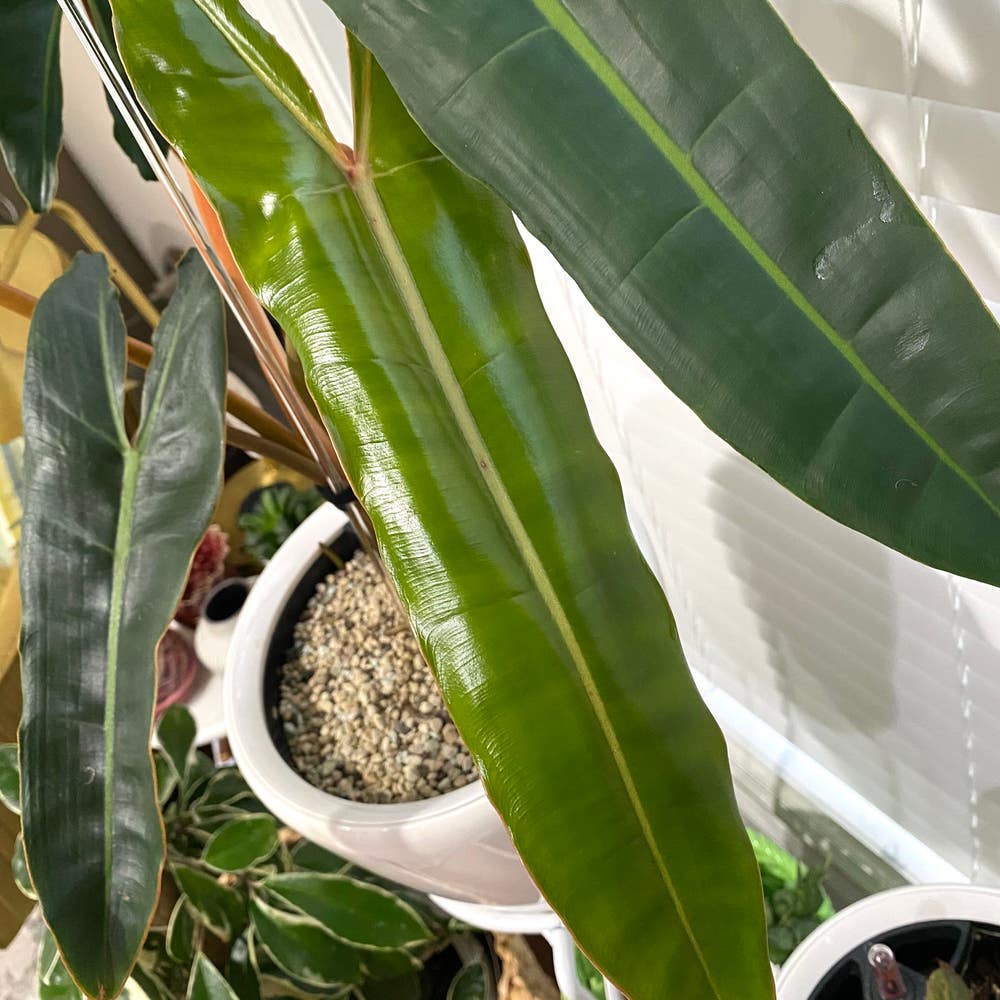
7 Factors for Optimal Philodendron billietiae Growth
Philodendron billietiae
By the Greg Editorial Team
Sep 29, 2024•6 min read
This article was created with the help of AI so we can cover more plants for you. May contain errors. See one? Report it here.
- 🌞 Bright, indirect sunlight is crucial for Philodendron billietiae; avoid direct sunlight.
- 💧 Maintain humidity above 60% and water every 1-2 weeks for optimal growth.
- 🌱 Use well-draining soil with a pH of 5.5 to 7.0 to prevent root rot.
Optimal Growing Conditions
🌍 Choosing the Right Location
When deciding where to grow your Philodendron billietiae, consider whether you want to keep it indoors or outdoors. Indoor plants can thrive in controlled environments, while outdoor plants benefit from natural light and air circulation.
Space, light, and humidity are key factors in your location choice. Ensure there's enough room for growth, adequate light exposure, and a humidity level that supports healthy development.
☀️ Light Requirements
Philodendron billietiae prefers bright, indirect sunlight for optimal growth. Direct sunlight can scorch its leaves, while too little light can lead to stretching and pale foliage.
Watch for signs of inadequate light. If your plant starts to stretch toward the light source or its leaves lose their vibrant color, it’s time to adjust its placement.
🌡️ Temperature and Humidity Preferences
The ideal temperature range for your Philodendron billietiae is between 18°C to 30°C (65°F to 86°F). Keeping your plant within this range promotes healthy growth and vitality.
Humidity is equally important; aim for levels of 60% or higher. If your home is dry, consider using humidifiers or pebble trays to create a more suitable environment for your plant.
With the right conditions in place, your Philodendron billietiae will flourish beautifully. Next, let’s explore the essential soil and planting techniques that will support its growth.
Soil and Planting Techniques
🌱 Soil Preparation
To ensure your Philodendron billietiae thrives, start with the right soil composition. Aim for a well-draining mix rich in organic matter, which promotes healthy root growth.
The ideal pH level for your soil should range from 5.5 to 7.0. This balance helps your plant absorb nutrients effectively, preventing common issues like nutrient deficiencies.
Drainage is crucial. Proper drainage prevents root rot, a common problem that can quickly turn your plant from vibrant to wilted.
🌿 Planting Techniques
When planting, focus on the depth. Cover the roots adequately but avoid burying the stem, as this can lead to rot.
If you're planting multiple Philodendrons, space them 18-24 inches apart. This distance allows each plant to grow without competing for resources.
Choosing the right container is also essential. Opt for pots made of breathable materials, like terracotta, which help with drainage and prevent overwatering.
Watering and Fertilizing
💧 Watering Frequency and Techniques
For optimal Philodendron billietiae growth, aim to water every 1-2 weeks. This schedule can vary based on environmental conditions, so always check the soil moisture before watering.
When you do water, ensure you do it thoroughly. Water until it drains from the bottom of the pot, allowing the roots to absorb what they need.
🌱 Best Fertilizers
Choosing the right fertilizer is crucial for your plant's health. Balanced NPK fertilizers and organic options are excellent choices to provide essential nutrients.
Fertilize monthly during the growing season to keep your plant thriving. Watch for signs of nutrient deficiency, such as yellowing leaves or slow growth, which indicate it might be time to adjust your fertilization routine.
🚿 Signs of Overwatering and Underwatering
Understanding the symptoms of overwatering is key to maintaining a healthy plant. Look for wilting, yellowing leaves, and root rot as clear indicators.
On the flip side, underwatering can lead to crispy leaf edges and drooping leaves. If you notice these signs, adjust your watering habits accordingly to restore your plant's vitality.
By mastering watering and fertilizing, you set the stage for a flourishing Philodendron billietiae. Next, let’s explore the importance of pruning and maintenance to keep your plant in top shape.
Pruning and Maintenance
When and How to Prune 🌱
Pruning your Philodendron billietiae is essential for its health and aesthetics. The best times to prune are in spring and early summer, when the plant is actively growing.
Use clean, sharp tools to cut back any overgrowth. This not only keeps the plant looking tidy but also encourages new growth.
Importance of Pruning for Growth and Health 🌿
Pruning offers numerous benefits, such as promoting bushier growth and removing dead or unhealthy leaves. By regularly pruning, you help your plant focus its energy on producing new, vibrant foliage.
Healthy pruning practices can significantly enhance your plant's overall vitality. A well-maintained Philodendron will thrive and look stunning in your space.
Ongoing Care Routine 🧑🌾
Regular monitoring is key to maintaining your plant's health. Keep an eye out for pests and diseases, as early detection can save your plant from serious issues.
Repotting is another crucial aspect of care. Aim to repot every 1-2 years or whenever your plant becomes root-bound. This ensures it has enough space to grow and flourish.
By staying proactive in your care routine, you’ll set your Philodendron up for long-term success. Next, let’s explore common challenges and solutions to keep your plant thriving.
Common Challenges and Solutions
🐜 Identifying and Treating Pests
Pests can be a real headache for your Philodendron billietiae. Two common culprits are spider mites and aphids.
Spider Mites
Spider mites thrive in dry conditions. Look for tiny webs on the undersides of leaves and stippling on the foliage. To control them, increase humidity and use insecticidal soap or neem oil.
Aphids
Aphids are small, green insects that cluster on new growth. They can cause leaf curling and yellowing. Treat them with insecticidal soap or a strong stream of water to dislodge them.
🦠 Addressing Diseases
Diseases can also hinder your plant's growth. Root rot and leaf spot are two issues to watch for.
Root Rot
Root rot is often caused by overwatering. Symptoms include wilting and a foul smell from the soil. To prevent it, ensure proper drainage and allow the soil to dry out between waterings.
Leaf Spot
Leaf spot appears as dark, water-soaked areas on leaves. It can be caused by fungal infections. To treat it, remove affected leaves and improve air circulation around the plant.
🌱 Tips for Overcoming Growth Issues
Sometimes, your Philodendron may show signs of distress, like yellowing leaves or stunted growth.
Yellowing Leaves
Yellowing can indicate overwatering or insufficient light. Adjust your watering schedule and ensure your plant receives adequate light.
Stunted Growth
If your plant isn’t growing as expected, it might need more nutrients. Consider repotting it into fresh soil or adding a balanced fertilizer to boost its health.
🏁 Conclusion
Maintaining a healthy Philodendron billietiae involves vigilance against pests and diseases. Regular monitoring and adapting your care routine will keep your plant thriving and beautiful. Remember, a little attention goes a long way in ensuring your plant's health and happiness!
⚠️ Safety First
This content is for general information and may contain errors, omissions, or outdated details. It is not medical, veterinary advice, or an endorsement of therapeutic claims.
Always consult a qualified healthcare professional before using any plant as food, medicine, or supplement.
Never eat any plant (or feed one to pets) without confirming its identity with at least two trusted sources.
If you suspect poisoning, call Poison Control (800) 222-1222, the Pet Poison Helpline (800) 213-6680, or your local emergency service immediately.
Spotted an error? Please report it here.
Create the perfect environment for your Philodendron billietiae to thrive with Greg's personalized care tips and watering reminders, so you can grow with confidence! 🌱