🌳 4 Perfect Spots to Grow Siris Tree
Albizia amara
By the Greg Editorial Team
Nov 23, 2024•5 min read
This article was created with the help of AI so we can cover more plants for you. May contain errors. See one? Report it here.
- ☀️ Sunlight exposure is crucial for healthy Siris Tree growth; assess your planting spot.
- 🌳 Morning sunlight boosts growth in young Siris Trees; prioritize this for optimal health.
- 🌬️ Wind protection is essential; use natural barriers to support young trees' stability.
Sunlight Exposure Requirements
Evaluating Sunlight and Shade Patterns 🌞
Assessing sunlight exposure for your Siris Tree is crucial for its growth. Start by observing the area throughout the day to see how sunlight moves across your planting site.
Next, identify shade patterns created by nearby trees or structures. Understanding these shadows helps you determine the best spots for your tree to thrive.
Morning sun is particularly beneficial for young trees. It warms the soil and encourages early growth, while afternoon sun can be harsher, potentially stressing the plant.
Consider the balance of sunlight and shade throughout the day. This knowledge will guide you in selecting the perfect location for your Siris Tree, ensuring it receives the right amount of light for healthy development.
With sunlight exposure assessed, you can now move on to understanding soil type preferences, which is equally important for your tree's success.
Soil Type Preferences
Analyzing Soil Drainage and Quality 🌧️
Understanding soil drainage is crucial for the health of your Siris Tree. Start with simple drainage tests: dig a hole about 12 inches deep and fill it with water. Observe how quickly the water drains. If it takes more than a few hours, you might have poor drainage.
Signs of poor drainage can be evident in waterlogged areas. Look for puddles that linger after rain or soil that feels soggy. These conditions can lead to root rot, which is detrimental to your Siris Tree's health.
Improving soil quality is essential for optimal growth. Consider adding organic matter like compost to enhance drainage and nutrient content. Gypsum can also help break up compacted soil, allowing for better water movement.
Regularly testing your soil will help you maintain the right conditions for your Siris Tree. By ensuring good drainage and quality, you set the stage for a thriving tree that can withstand various environmental challenges.
Next, let’s explore how the proximity to other plants and structures can influence your Siris Tree's growth.
Proximity to Other Plants and Structures
🌬️ Considering Wind Protection and Microclimates
Wind protection is crucial for the health of young Siris Trees. Strong winds can cause physical damage, uproot young trees, and hinder their growth.
To safeguard your Siris Tree, look for natural windbreaks. Existing trees, fences, or buildings can provide the necessary shelter, creating a more stable environment for your tree to thrive.
🌡️ Understanding Microclimates
Microclimates are localized climate conditions that can significantly impact plant growth. Factors such as temperature variations and humidity levels can differ even within small areas.
When selecting a planting location, consider how these microclimates might affect your Siris Tree. For instance, a spot sheltered from harsh winds may retain warmth better, promoting healthier growth.
🌱 Practical Tips for Planting
- Assess Surroundings: Observe how nearby structures and plants interact with wind and sunlight.
- Choose Wisely: Plant your Siris Tree in a location that benefits from natural windbreaks and favorable microclimates.
- Monitor Changes: Keep an eye on how seasonal changes affect local conditions, adjusting care as needed.
By thoughtfully considering wind protection and microclimates, you can create an ideal environment for your Siris Tree. This attention to detail will pay off in the long run, ensuring a robust and flourishing tree.
Next, we’ll explore the specific location needs for planting Siris Trees, including urban versus rural considerations.
Specific Location Needs
🌆 Urban vs. Rural Planting Considerations
Urban environments present unique challenges for planting Siris Trees. Limited space, soil compaction, and pollution can hinder growth and development.
In contrast, rural areas offer more space and natural conditions conducive to healthy tree growth. The abundance of land allows for better root expansion and access to nutrients.
For urban planting, consider strategies like container gardening or raised beds. These methods improve soil conditions and provide the necessary space for the Siris Tree to thrive.
🏠 Indoor vs. Outdoor Planting Preferences
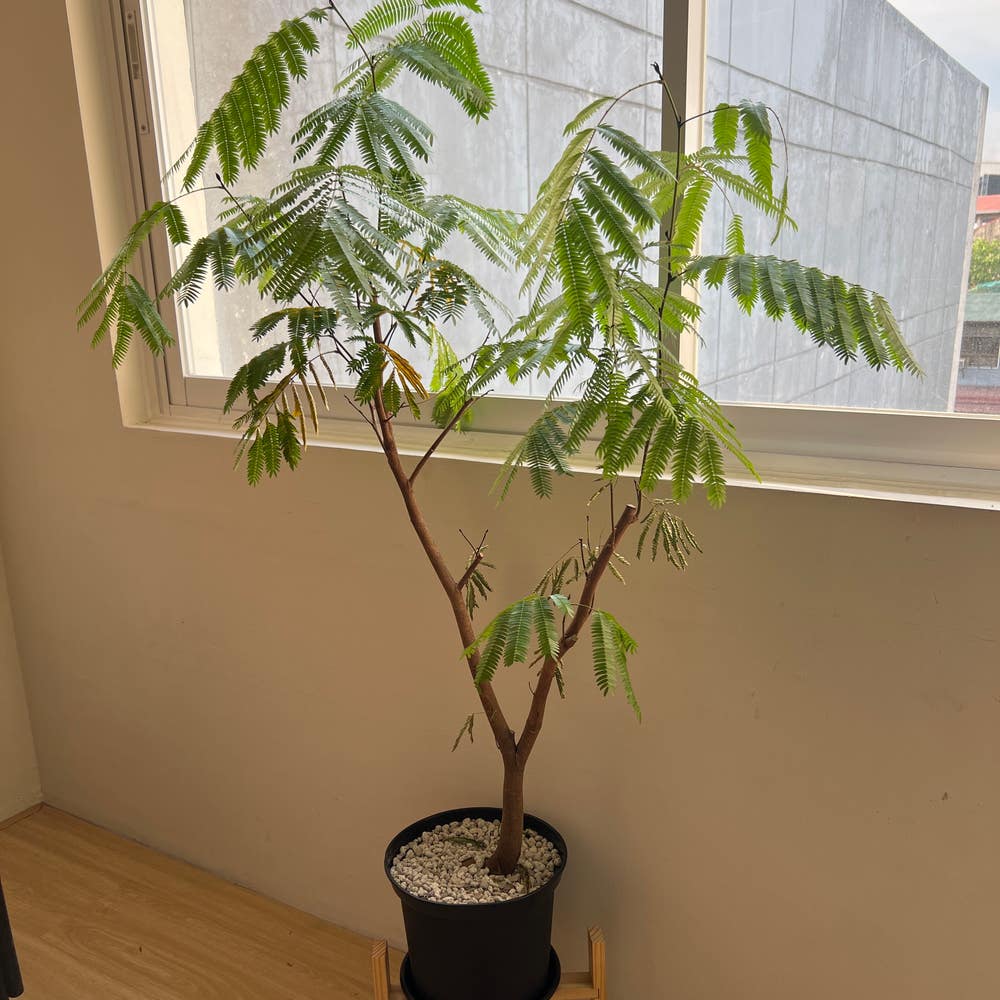
Indoor planting can be successful if certain conditions are met. Ensure that the indoor environment has adequate humidity and temperature control for optimal growth.
Outdoor planting has its advantages, primarily access to natural sunlight and ample space. This allows the Siris Tree to grow to its full potential without the constraints of indoor environments.
If you choose to grow indoors, be mindful of light requirements. Utilize artificial lighting to supplement natural light, ensuring your tree receives enough energy for healthy growth.
🌦️ Seasonal Changes and Their Impact on Location Choice
Seasonal changes can significantly affect your planting location. As sunlight patterns shift throughout the year, it’s essential to adapt your planting strategy accordingly.
Weather patterns also play a crucial role. Consider how rainfall and temperature fluctuations can impact the health of your Siris Tree.
Planning for seasonal growth involves adjusting care and location based on these cycles. By staying attuned to seasonal changes, you can ensure your tree thrives year-round.
With these considerations in mind, you’re well-equipped to choose the best location for your Siris Tree. Next, let’s explore the importance of sunlight exposure requirements for optimal growth.
⚠️ Safety First
This content is for general information and may contain errors, omissions, or outdated details. It is not medical, veterinary advice, or an endorsement of therapeutic claims.
Always consult a qualified healthcare professional before using any plant as food, medicine, or supplement.
Never eat any plant (or feed one to pets) without confirming its identity with at least two trusted sources.
If you suspect poisoning, call Poison Control (800) 222-1222, the Pet Poison Helpline (800) 213-6680, or your local emergency service immediately.
Spotted an error? Please report it here.
Choose the ideal spot for your Siris Tree 🌳 with Greg's tailored advice on sunlight, soil, and wind protection to ensure it flourishes beautifully!