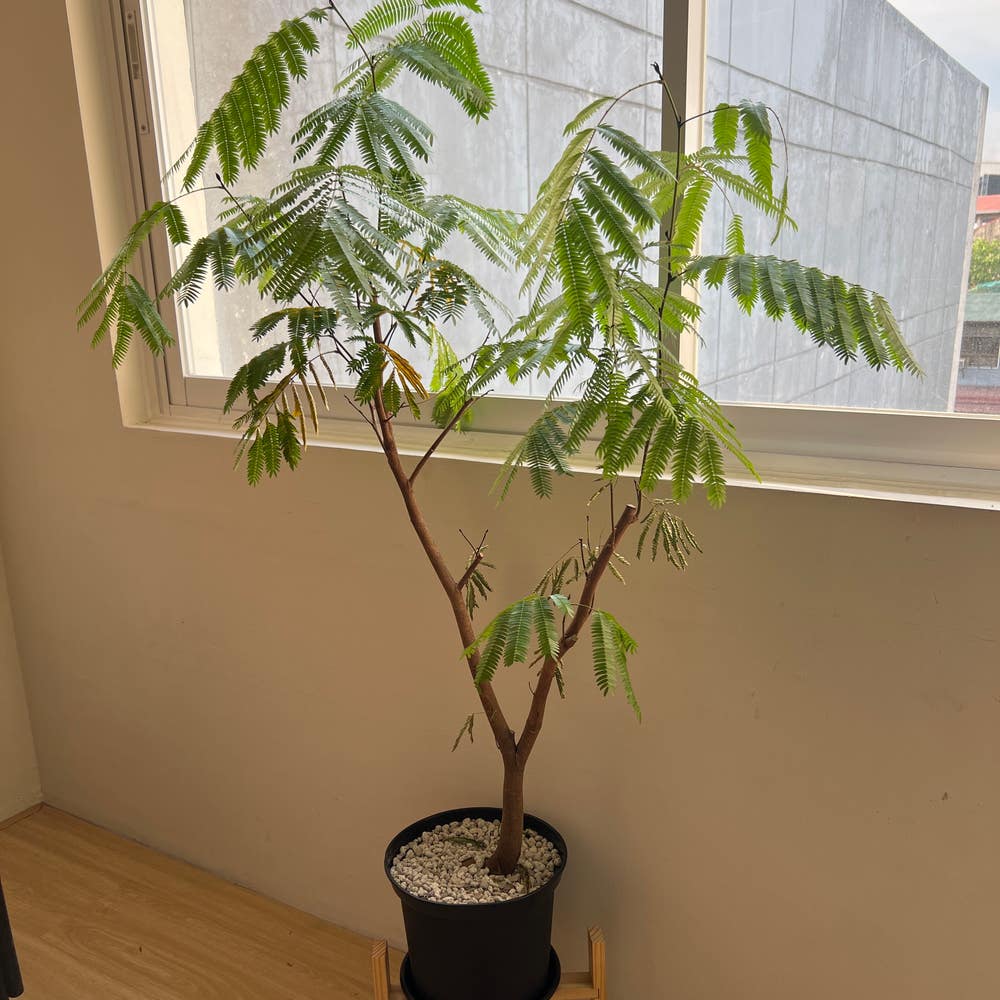
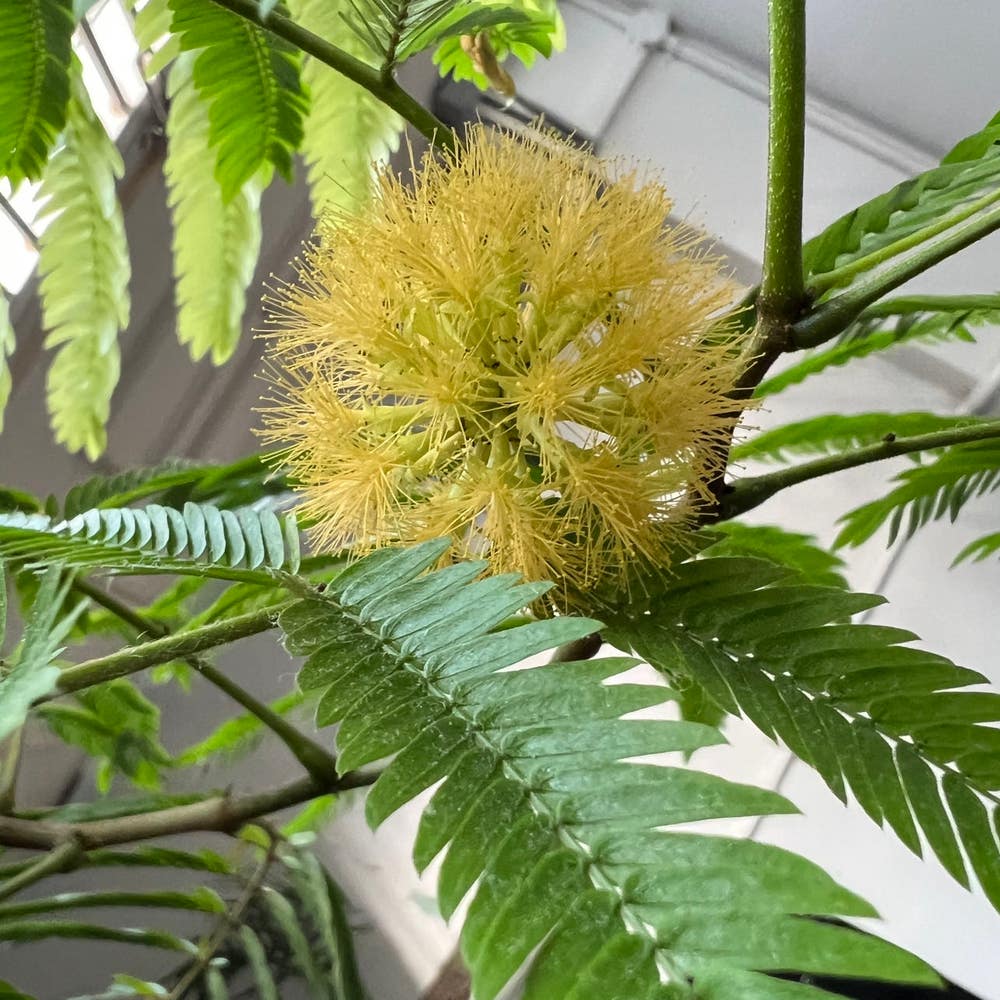
🌳 How to Plant: Siris Tree
Albizia amara
By the Greg Editorial Team
Nov 23, 2024•5 min read
This article was created with the help of AI so we can cover more plants for you. May contain errors. See one? Report it here.
- 🌳 Planting Siris trees enhances local adaptation and health; choose wisely!
- ⏳ Transplanting established trees offers instant shade but risks transplant shock.
- 🌱 Optimal planting times are early spring or late fall for best results.
New vs. Transplanting Established Siris Tree
🌱 Benefits of Planting New Tree
Planting a new Siris tree offers several advantages. Firstly, these young trees tend to adapt better to local growing conditions, making them more resilient in the long run.
Additionally, you have the opportunity to select healthy, disease-free specimens right from the start. This proactive choice can lead to a more vigorous tree that thrives in your garden. Moreover, the initial costs of planting a new tree are often lower compared to the expenses associated with transplanting an established one.
⚠️ Drawbacks of Planting New Tree
However, planting a new tree does come with its challenges. One significant drawback is the longer time it takes for the tree to mature and establish itself in your landscape.
New trees also require more initial care and maintenance, which can be a commitment for any gardener.
🌳 Benefits of Transplanting Established Tree
On the other hand, transplanting an established Siris tree has its own set of benefits. One of the most appealing aspects is the immediate shade and aesthetic value it brings to your space.
Furthermore, established trees typically experience faster establishment compared to newly planted ones, allowing you to enjoy their beauty sooner.
💸 Drawbacks of Transplanting Established Tree
Despite these advantages, transplanting established trees can be costly. The labor and equipment needed for this process often lead to higher expenses.
Additionally, there is a risk of transplant shock, which can hinder the tree's establishment and overall health. Understanding these factors can help you make an informed decision about whether to plant new or transplant an established Siris tree.
As you weigh these options, consider your garden's specific needs and your willingness to invest time and resources. This will guide you toward the best choice for your landscape.
Key Steps for Planting New Tree
🌱 Optimal Timing for Planting
The best time to plant a Siris tree is during early spring or late fall. These seasons offer mild temperatures that help the tree establish itself more effectively.
🏺 Selecting Soil Mix and Containers
For optimal growth, use a well-draining loamy soil enriched with organic matter. When choosing containers, select pots that are at least 12-18 inches deep to accommodate young trees.
📏 Proper Depth and Spacing for Planting
Ensure that the root collar of the tree is level with the soil surface when planting. Space your trees 15-20 feet apart to allow for optimal growth and canopy spread.
☀️ Maintaining Ideal Growing Conditions
Keep the soil consistently moist but avoid waterlogging, as this can harm the roots. Additionally, ensure your Siris tree receives full sun exposure for at least 6-8 hours daily to thrive.
🌳 Hardening Off Process Before Outdoor Planting
Before planting outdoors, gradually acclimate your young trees to the outside environment over 7-10 days. Start with a few hours of outdoor exposure, increasing the time each day to help them adjust.
By following these steps, you'll set your Siris tree up for a successful start in its new home. Next, we'll explore the key steps for transplanting an established tree, ensuring it thrives in its new location.
Key Steps for Transplanting Established Tree
🌱 Optimal Timing for Transplanting
Transplanting an established Siris tree is best done in early spring or late fall. These seasons provide mild temperatures, which help reduce stress on the tree during the move.
📝 Step-by-Step Instructions for Transplanting
Removing the Plant from Its Current Location
- Water the tree thoroughly a day before transplanting to hydrate the roots.
- Dig a trench around the root zone, at least 12-18 inches away from the trunk, to minimize root damage.
- Carefully lift the tree, ensuring you preserve as much of the root ball as possible to promote successful re-establishment.
Preparing the New Planting Site
- Choose a location that receives full sun and has well-draining soil to support healthy growth.
- Dig a hole that is twice the width and the same depth as the root ball, allowing ample space for roots to spread.
- Amend the soil with organic matter if necessary to enhance nutrient availability and drainage.
Ensuring Proper Placement and Spacing
- Position the tree in the center of the hole, making sure the root collar is level with the surrounding soil for optimal growth.
- Backfill with soil, gently tamping down to eliminate air pockets that could hinder root development.
💧 Tips for Watering, Mulching, and Providing Support
- Watering: After transplanting, water the tree thoroughly and maintain consistent moisture to help it settle in.
- Mulching: Apply a 2-3 inch layer of mulch around the base to retain moisture and suppress weeds, creating a healthier environment.
- Providing support: Use stakes if necessary to stabilize the tree until its roots are well-established, ensuring it can withstand wind and other elements.
Transplanting an established Siris tree can be a rewarding endeavor, providing immediate benefits like shade and beauty. With careful planning and execution, you can ensure your tree thrives in its new home. Next, let’s explore troubleshooting common issues that may arise during this process.
Troubleshooting Common Issues
🌱 Transplant Shock
Transplant shock can be a real concern when moving a Siris tree. Symptoms include wilting, yellowing leaves, and stunted growth, all of which signal that the tree is struggling to adapt after its roots have been disrupted.
🔍 Addressing Establishment Problems
Keep a close eye on your tree for any signs of stress. Adjusting care, such as ensuring proper watering and adequate sunlight exposure, can make a significant difference in helping your tree thrive.
🛠️ Solutions for Common Planting/Transplanting Issues
If you notice transplant shock, consider reducing the frequency of watering and providing some shade to ease the tree's transition. For any establishment problems, it might be time to re-evaluate your soil conditions and drainage to ensure your Siris tree has the best chance to flourish.
With these troubleshooting tips, you'll be better equipped to handle any challenges that arise during the planting or transplanting process. Next, let's explore the key steps for planting a new Siris tree to ensure a successful start.
⚠️ Safety First
This content is for general information and may contain errors, omissions, or outdated details. It is not medical, veterinary advice, or an endorsement of therapeutic claims.
Always consult a qualified healthcare professional before using any plant as food, medicine, or supplement.
Never eat any plant (or feed one to pets) without confirming its identity with at least two trusted sources.
If you suspect poisoning, call Poison Control (800) 222-1222, the Pet Poison Helpline (800) 213-6680, or your local emergency service immediately.
Spotted an error? Please report it here.
Planting a Siris tree can create instant shade and beauty 🌳, and with Greg's tailored watering alerts and expert care tips, you'll ensure your new tree flourishes beautifully!