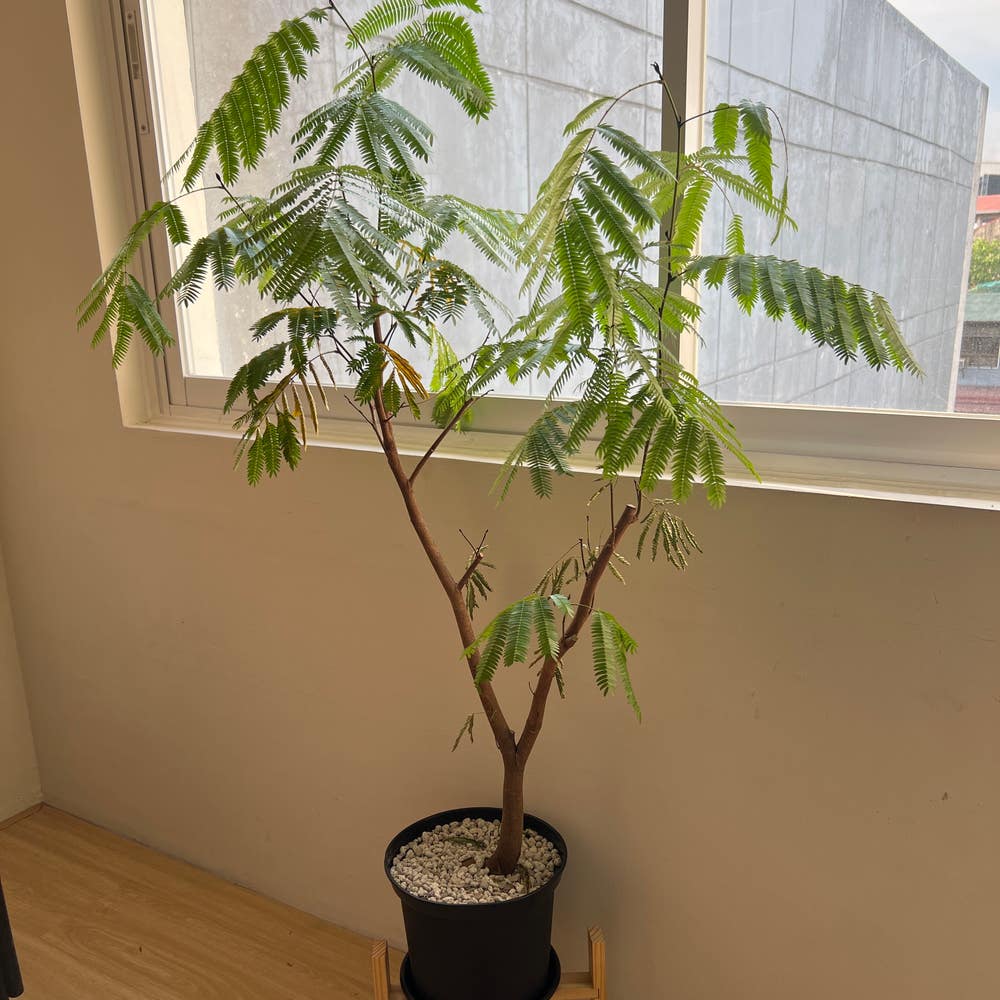
🌞 Light Requirements For Your Siris Tree
Albizia amara
By the Greg Editorial Team
Nov 23, 2024•5 min read
This article was created with the help of AI so we can cover more plants for you. May contain errors. See one? Report it here.
- 🌞 Siris trees need 6-8 hours of direct sunlight daily for optimal growth.
- 💡 Indoor trees thrive in bright, indirect light near south or west-facing windows.
- 🌱 Adjust light exposure seasonally to prevent leggy growth and ensure vibrant flowering.
Ideal Light Conditions for Outdoor Growth
🌞 Optimal Light
For your Siris tree to thrive, it requires 6-8 hours of direct sunlight daily. This full sun exposure is crucial for robust growth and vibrant flowering, allowing the tree to reach its full potential.
🌳 Shade Tolerance
While Siris trees prefer full sun, they can tolerate 4-6 hours of indirect light. However, keep in mind that prolonged shade can slow growth and reduce flowering potential, so aim for as much light as possible.
📅 Seasonal Considerations
As the seasons change, so should your approach to light exposure. It's essential to monitor sunlight availability throughout the year, adjusting the tree's location if necessary to ensure it receives adequate light during all seasons.
Understanding these light requirements will set your Siris tree up for success, leading to a flourishing, beautiful addition to your outdoor space. Next, let’s explore the ideal light conditions for indoor growth.
Ideal Light Conditions for Indoor Growth
🌞 Indoor Lighting
For your Siris tree to thrive indoors, it needs bright, indirect light. Positioning it near south or west-facing windows will provide the best exposure.
💡 Grow Light
Using grow lights can significantly enhance indoor cultivation. They mimic natural sunlight, ensuring your tree receives the necessary light for optimal growth.
Types of Grow Lights
When selecting grow lights, consider LED and fluorescent options. LEDs are energy-efficient and long-lasting, while fluorescent lights are cost-effective and widely available.
Recommended Light Duration
Aim for 12-16 hours of light each day. This duration supports healthy growth and flowering, keeping your Siris tree vibrant and flourishing.
By ensuring your indoor Siris tree receives the right light conditions, you set the stage for a healthy, thriving plant. Next, let’s explore the role of light in flowering and how it influences your tree's beauty.
Role of Light in Flowering
🌸 Flowering Conditions
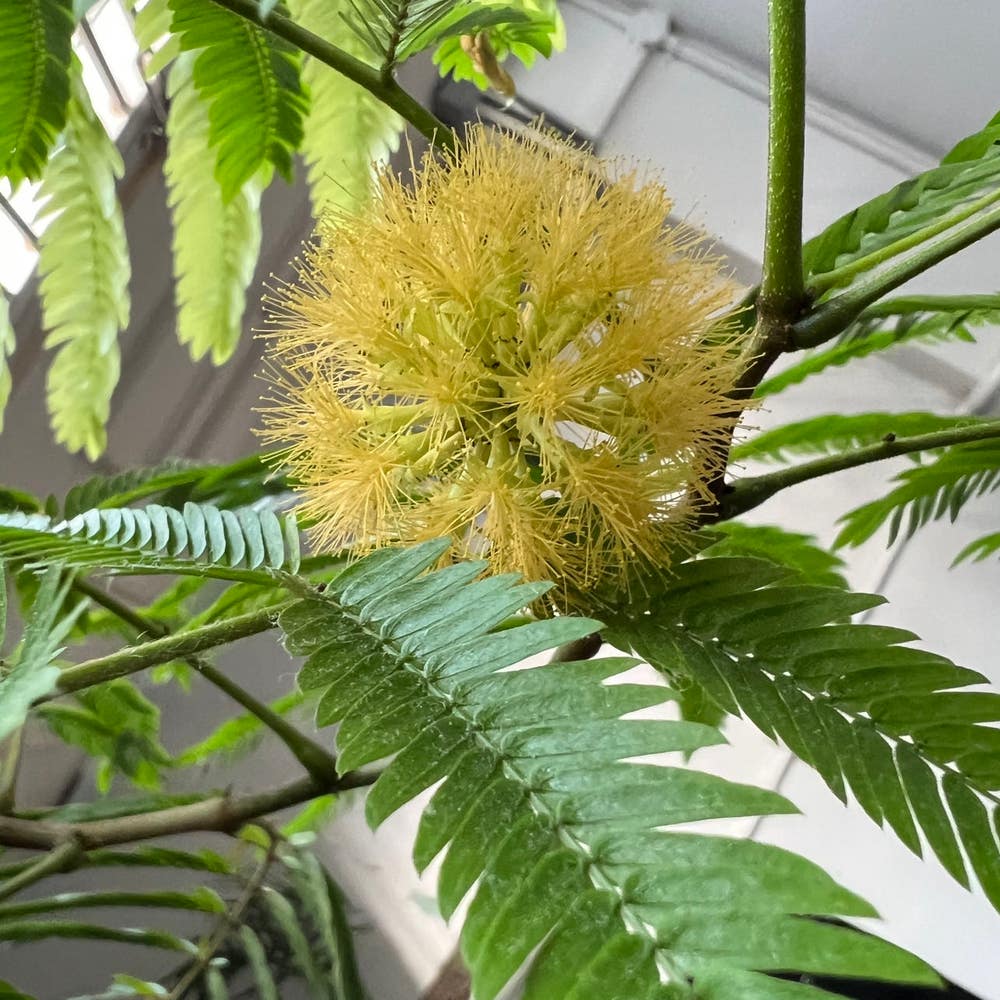
Siris trees produce beautiful clusters of small, fragrant flowers that can transform any garden into a sensory delight. These flowers not only add aesthetic value but also attract pollinators, making your garden a vibrant ecosystem.
💡 Influence of Light Quality and Intensity
The success of flowering in Siris trees heavily relies on the quality and intensity of light they receive. Bright, direct sunlight enhances flower production, while inadequate light can lead to fewer blooms and weaker fragrances.
To achieve optimal flowering, aim for at least 6-8 hours of direct sunlight daily. This exposure ensures that the tree has the energy it needs to thrive and produce those stunning flowers.
In summary, providing the right light conditions is crucial for the flowering success of your Siris tree. By understanding the relationship between light and flowering, you can create an environment that encourages abundant blooms and a lively garden atmosphere.
Next, let’s explore how light exposure and intensity affect the overall growth patterns of your Siris tree.
Light Exposure and Intensity
🌞 Full Sun vs. Partial Shade
Understanding the difference between full sun and partial shade is crucial for your Siris tree's growth. In full sun, which requires 6-8 hours of direct sunlight daily, you'll notice robust growth and vibrant flowering.
In contrast, partial shade, offering 4-6 hours of indirect light, can still support your tree but may slow its growth and reduce flowering potential. For optimal results, assess your location and choose the light exposure that best suits your tree's needs.
📏 Measuring Light Intensity
To ensure your Siris tree thrives, measuring light intensity is essential. You can use light meters or even smartphone apps to gauge how much light your tree receives.
The ideal light intensity range for growth typically falls between 1,000 to 2,500 foot-candles. Keeping track of this will help you maintain the right conditions for your tree.
🔄 Adjusting Light Exposure
Managing light exposure is vital, especially during seasonal shifts. As the sun's position changes throughout the year, you may need to adjust your tree's placement to ensure it receives adequate light.
Consider moving your Siris tree to a sunnier spot in winter or using sheer curtains to diffuse harsh sunlight in summer. These strategies will help maintain a healthy balance of light exposure year-round.
With the right light conditions, your Siris tree will flourish, setting the stage for its stunning flowering display. Next, we’ll explore the role of light in flowering and how it influences the beauty of your tree.
Common Light-Related Issues
🌑 Insufficient Light
Insufficient light can lead to several telltale symptoms in your Siris tree. You might notice leggy growth, where the plant stretches toward the light, resulting in long, weak stems.
Pale leaves and reduced flowering are also common indicators that your tree isn't getting enough sunlight. Prolonged exposure to low light can stunt growth and diminish the overall health of your plant.
☀️ Excessive Light Exposure
On the flip side, too much light can be just as detrimental. Symptoms of excessive light exposure include leaf scorch, where the leaves develop brown, crispy edges, and wilting, which can signal stress.
Identifying the threshold for optimal light exposure is crucial. If your Siris tree is showing signs of distress, it may be time to reassess its light conditions.
🛠️ Solutions for Light-Related Problems
Fortunately, there are several strategies to address light-related issues. Start by adjusting your plant's placement to ensure it receives the right amount of light.
Using reflectors or sheer curtains can help diffuse excessive light, creating a more balanced environment. Additionally, consider supplemental lighting during low-light periods to keep your Siris tree thriving.
By being proactive about light conditions, you can ensure your Siris tree remains healthy and vibrant. Now, let’s explore how light exposure and intensity further influence your plant's growth.
⚠️ Safety First
This content is for general information and may contain errors, omissions, or outdated details. It is not medical, veterinary advice, or an endorsement of therapeutic claims.
Always consult a qualified healthcare professional before using any plant as food, medicine, or supplement.
Never eat any plant (or feed one to pets) without confirming its identity with at least two trusted sources.
If you suspect poisoning, call Poison Control (800) 222-1222, the Pet Poison Helpline (800) 213-6680, or your local emergency service immediately.
Spotted an error? Please report it here.
Help your Siris tree bloom beautifully 🌼 by ensuring it gets 6-8 hours of direct sunlight daily, and let Greg guide you with tailored light tips for thriving growth!