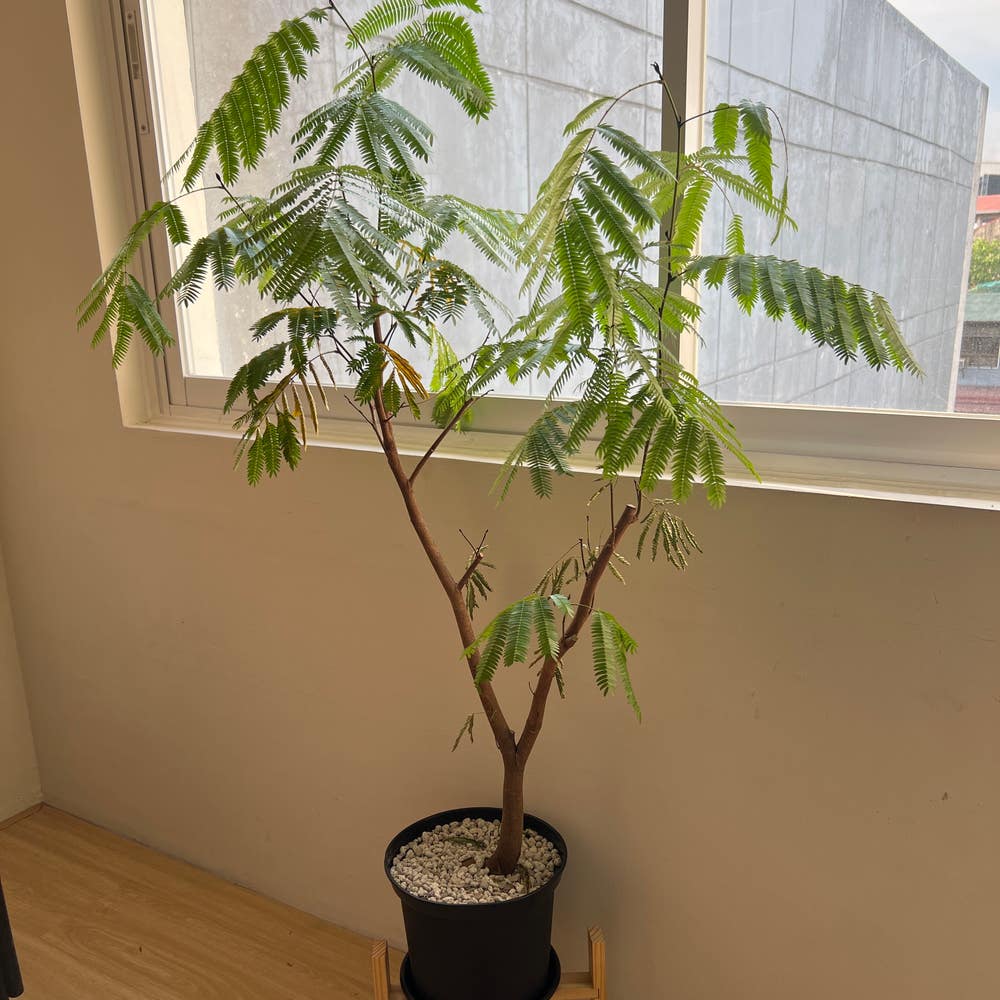
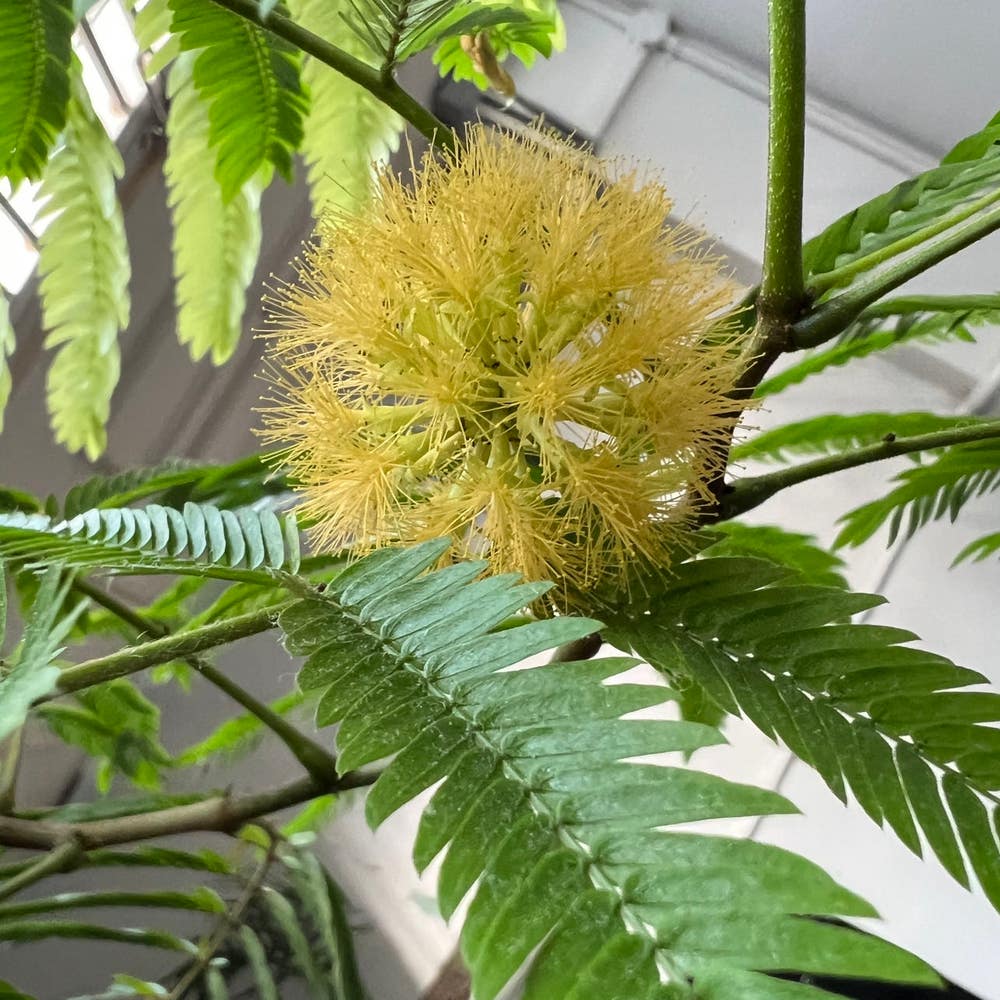
3 Outdoor Care Hacks for Siris Tree
Albizia amara
By the Greg Editorial Team
Nov 23, 2024•5 min read
This article was created with the help of AI so we can cover more plants for you. May contain errors. See one? Report it here.
- ☀️ Siris trees need 6-8 hours of sunlight daily for optimal growth.
- 💧 Deep watering establishes strong roots; maintain a weekly schedule during dry spells.
- 🌱 Well-drained, loamy soil with compost boosts fertility and drainage for Siris trees.
Outdoor Care Requirements
🌞 Sunlight Needs
Siris trees thrive in full sun, requiring 6-8 hours of direct sunlight each day. Without sufficient sunlight, you may notice stunted growth and a decline in flowering, which can be disappointing for any gardener.
💧 Watering Requirements and Techniques
When planting your Siris tree, start with deep watering to help establish strong roots. After that, maintain a weekly watering schedule during dry spells, adjusting based on rainfall to keep your tree hydrated.
For efficient moisture delivery, consider using soaker hoses or drip irrigation. These techniques ensure that water reaches the roots directly, minimizing evaporation and maximizing absorption.
🌱 Soil Preferences and Amendments
The ideal soil for a Siris tree is well-drained, loamy soil rich in organic matter. Aim for a soil pH between 6.0 and 7.0, which is slightly acidic to neutral, to create the best growing conditions.
To enhance soil quality, incorporate compost. This amendment not only improves drainage but also boosts fertility, giving your tree the nutrients it needs to flourish.
🌳 Planting Options and Considerations
When deciding how to plant your Siris tree, consider the benefits and drawbacks of container versus in-ground planting. Container planting offers mobility and a controlled environment, but it may limit root space and require more frequent watering.
On the other hand, in-ground planting provides ample space for root expansion and natural moisture retention. However, it offers less control over soil conditions and locks your tree into a permanent location.
To choose the right planting method, evaluate space availability, climate conditions, and your intended use for the tree. This thoughtful approach will set your Siris tree up for success in your outdoor space.
As you prepare to care for your Siris tree, understanding its outdoor care requirements will lay the foundation for healthy growth. Next, let’s explore how to protect your tree from environmental factors that can impact its well-being.
Protection from Environmental Factors
🌧️ Weather Protection Strategies
Protecting your Siris tree from harsh weather is essential for its health. In colder climates, using burlap or frost cloth can shield the tree from frost damage.
During extreme heat, providing shade with temporary shade cloth helps prevent sunburn and stress. This simple step can make a significant difference in your tree's vitality.
🐞 Outdoor Pests and Management
Pests can pose a real threat to your Siris tree. Common culprits include aphids, spider mites, and scale insects, which can sap the tree's strength.
To manage these pests effectively, consider using neem oil or insecticidal soap. Additionally, introducing beneficial insects like ladybugs can help keep pest populations in check naturally.
🦠 Diseases and Prevention Methods
Diseases such as root rot and leaf spot can hinder your tree's growth. To prevent these issues, ensure proper drainage around the roots and avoid overhead watering, which can create a damp environment conducive to disease.
Regular monitoring and maintenance are key to keeping your Siris tree healthy and thriving. With these strategies, you can protect your tree from environmental threats and promote its long-term success.
Next, let’s explore how seasonal changes impact the care of your Siris tree.
Seasonal Care
Seasonal Changes and Their Impact on Care 🌦️
Understanding the seasonal growth patterns of your Siris tree is crucial for its health. During spring and summer, the tree experiences active growth, while it enters a dormant phase in fall and winter.
Spring and Summer Care Tips 🌸
In spring, focus on pruning any dead or damaged branches to encourage new growth. Applying a balanced fertilizer will also give your tree the nutrients it needs to thrive.
As summer heats up, increase your watering frequency, especially during hot, dry spells. Keep a close eye out for pests, as they can become more active in warmer weather.
Fall and Winter Preparation 🍂
When fall arrives, applying mulch around the base of your tree is essential for protecting its roots from frost. This is also the time for final pruning to prepare the tree for dormancy.
In winter, insulating the base of the tree helps shield it from harsh conditions. Regularly monitor for damage caused by snow or ice to ensure your Siris tree remains healthy through the colder months.
With these seasonal care tips, you can ensure your Siris tree not only survives but thrives throughout the year. Next, let’s explore how to protect your tree from environmental factors that can impact its growth.
Climate Zone Considerations
🌍 Identifying Suitable Climate Zones
Understanding climate zones is crucial for the successful growth of your Siri's tree. The USDA hardiness zones indicate that this tree thrives best in zones 6 to 9, where temperatures are more favorable.
However, be mindful of its sensitivity to frost. In colder zones, protective measures are essential to shield your tree from harsh winter conditions.
☀️ Special Considerations for Different Climates
When planting in hot climates, it's vital to ensure your Siri's tree receives adequate watering. Providing shade during peak heat can also help prevent stress and promote healthy growth.
In contrast, cold climates require a different approach. Focus on winter protection strategies, such as selecting sheltered planting locations to minimize exposure to harsh winds and freezing temperatures.
🌪️ Adaptation Strategies for Extreme Weather Conditions
Extreme weather can pose challenges, but with the right strategies, your Siri's tree can thrive. During drought conditions, implement deep watering techniques and consider mulching to retain soil moisture.
For flood-prone areas, ensure proper drainage to prevent waterlogging. Avoid planting in low-lying areas where water tends to accumulate, safeguarding your tree from root rot and other moisture-related issues.
With these climate zone considerations in mind, you can create an optimal environment for your Siri's tree, setting the stage for robust growth and resilience. Next, let’s explore how to protect your tree from environmental factors.
⚠️ Safety First
This content is for general information and may contain errors, omissions, or outdated details. It is not medical, veterinary advice, or an endorsement of therapeutic claims.
Always consult a qualified healthcare professional before using any plant as food, medicine, or supplement.
Never eat any plant (or feed one to pets) without confirming its identity with at least two trusted sources.
If you suspect poisoning, call Poison Control (800) 222-1222, the Pet Poison Helpline (800) 213-6680, or your local emergency service immediately.
Spotted an error? Please report it here.
Ensure your Siris tree flourishes with deep roots and lush foliage 🌱 by using Greg's tailored watering schedules and soil enhancement tips to keep it thriving all year round!