5 Secrets to Successfully Grow Siris Tree 🌳
Albizia amara
By the Greg Editorial Team
Nov 23, 2024•6 min read
This article was created with the help of AI so we can cover more plants for you. May contain errors. See one? Report it here.
- ☀️ Siris trees need 6-8 hours of sunlight daily for optimal growth.
- 🌱 Well-draining soil and space are crucial for healthy root development and canopy expansion.
- 💧 Water consistently and monitor for signs of overwatering or underwatering to ensure health.
Site Selection and Soil Preparation
Choosing the Right Location 🌞
Selecting the right location is crucial for the successful growth of a Siris tree. These trees thrive in full sun, requiring at least 6 to 8 hours of direct sunlight daily to flourish.
Space is another important consideration. Ensure you have ample room for the tree's canopy to grow, as it can spread significantly over time.
Soil Type and Preparation Techniques 🏗️
The ideal soil for a Siris tree is well-draining loamy or sandy soil. This type of soil promotes healthy root development and prevents waterlogging.
To prepare your soil effectively, follow these steps:
- Clear the area of weeds and debris to create a clean planting site.
- Test the soil pH, aiming for a range between 6.0 and 7.5 for optimal growth.
- Amend the soil with organic matter, such as compost, if necessary to enhance fertility.
Importance of Drainage and pH Levels 🚰
Proper drainage is essential to prevent root rot, a common issue for Siris trees. If your soil has poor drainage, consider using raised beds to improve water flow.
Maintaining optimal pH levels is equally important. The right pH ensures that nutrients are available for the tree, promoting robust growth and vitality.
With the right location and soil preparation, your Siris tree will be set up for success. Next, let’s explore the best planting techniques to ensure a healthy start for your tree.
Planting Techniques
Step-by-Step Planting Guide 🌱
Planting a Siris tree is straightforward if you follow these essential steps.
Digging the hole: Start by digging a hole that is twice the width and depth of the root ball. This gives the roots plenty of room to spread.
Positioning the tree: Place the tree in the hole, ensuring the root collar is level with the soil surface. This prevents water from pooling around the trunk.
Backfilling: Fill the hole with a mix of native soil and compost. This enriches the soil and promotes healthy growth.
Watering: After planting, water the tree thoroughly. This helps settle the soil around the roots and provides necessary moisture.
Best Planting Times and Methods ⏰
Timing is crucial for successful planting.
Ideal planting seasons: The best times to plant a Siris tree are early spring or fall. These seasons provide optimal conditions for root establishment.
Methods: You can either directly sow seeds or transplant seedlings. Both methods can yield healthy trees if done correctly.
Container vs. Outdoor Planting Considerations 🏡
Deciding between container and outdoor planting can impact your tree's growth.
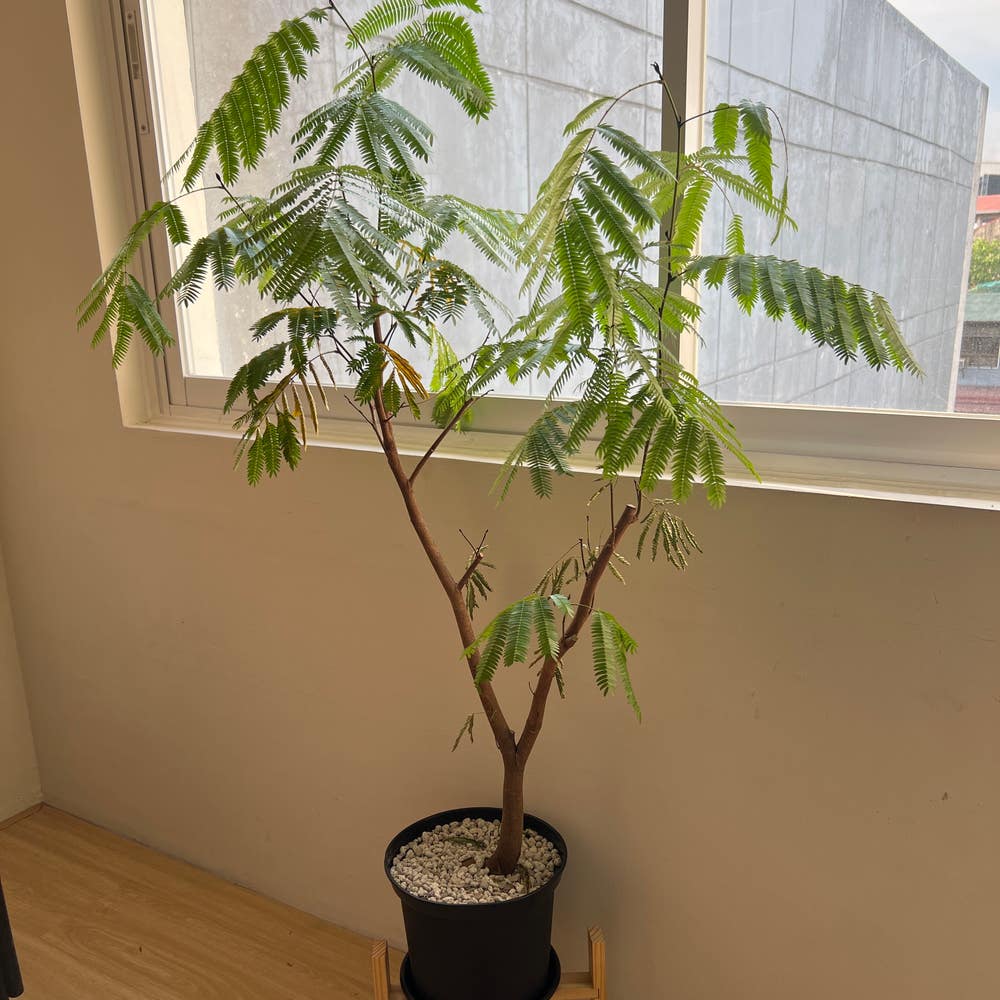
Container growing: If you choose to grow your Siris tree in a container, select a pot that is at least 18 inches deep. This ensures sufficient space for root development.
Outdoor planting: When planting outdoors, make sure to provide adequate spacing from other plants and structures. This allows for proper air circulation and sunlight exposure.
With these planting techniques, you're well on your way to nurturing a thriving Siris tree. Next, let's explore the essential aspects of watering and fertilizing to keep your tree healthy and vibrant.
Watering and Fertilizing
Watering Requirements 🌊
Watering your Siris tree is crucial for its health. Aim to water deeply once a week, increasing frequency during dry spells to keep the soil adequately moist.
Watch for signs of overwatering, such as yellowing leaves, wilting, or root rot. These indicators can signal that your tree is getting too much water, which can be just as harmful as not enough.
Fertilization Schedule and Types of Fertilizers 🌱
Fertilizing your Siris tree helps promote robust growth. Plan to fertilize every 4-6 weeks during the growing season to provide essential nutrients.
For the best results, use a balanced NPK fertilizer or organic compost. These options will support healthy development and vibrant foliage.
Signs of Overwatering or Underwatering 🚰
Understanding the signs of overwatering and underwatering is key to maintaining your tree's health. Overwatering can lead to root rot, leaf drop, and even fungal growth, which can devastate your plant.
On the other hand, underwatering manifests as wilting leaves, dry soil, and stunted growth. Regularly check your tree's condition to ensure it receives the right amount of water.
With proper watering and fertilizing practices, your Siris tree will thrive, setting the stage for successful pruning and maintenance.
Pruning and Maintenance
Pruning Techniques for Healthy Growth 🌱
Pruning your Siris tree is essential for promoting healthy growth. Aim to prune in late winter or early spring, just before new growth begins.
Focus on removing dead or crossing branches to improve air circulation. Shaping the canopy will also help your tree thrive and look its best.
Seasonal Maintenance Tasks 🌦️
Each season brings specific maintenance tasks to keep your Siris tree healthy.
- Spring: Fertilize your tree and check for any signs of pests.
- Summer: Monitor watering closely and prune as necessary to maintain shape.
- Fall: Clean up fallen leaves and debris to prevent disease.
Developing a Plant Care Routine 📅
Establishing a consistent plant care routine is key to your tree's success. Create a schedule that includes regular watering, fertilizing, and pruning.
Consider using the Greg plant care app for AI-powered reminders. This tool can help you stay on track and ensure your Siris tree receives the care it needs.
With proper pruning and maintenance, your Siris tree will flourish beautifully. Next, let’s explore common challenges and solutions to keep your tree thriving.
Common Challenges and Solutions
🐛 Identifying Common Pests and Diseases
Growing a Siris tree can be rewarding, but it comes with its share of challenges. Common pests like aphids, caterpillars, and scale insects can wreak havoc on your tree's health.
In addition to pests, diseases such as root rot and leaf spot can also pose significant threats. Keeping a close eye on your tree will help you catch these issues early.
🛠️ Troubleshooting Growth Issues
If your Siris tree is experiencing slow growth, it may be time to investigate nutrient deficiencies or poor soil conditions. Regular soil testing can help you identify what your tree needs to thrive.
Leaf discoloration is another common issue that can signal problems. Assess your watering practices and check for any signs of pests to ensure your tree remains healthy.
🌱 Tips for Successful Container Growing
For those opting to grow Siris trees in containers, proper drainage is crucial. Always ensure your pots have adequate drainage holes to prevent waterlogging.
Using a high-quality potting mix will provide the necessary nutrients for your tree. Additionally, monitoring moisture levels closely will help you maintain optimal growing conditions.
With these tips in mind, you can tackle common challenges and enjoy a flourishing Siris tree. Next, let’s explore effective pruning and maintenance techniques to keep your tree in top shape.
⚠️ Safety First
This content is for general information and may contain errors, omissions, or outdated details. It is not medical, veterinary advice, or an endorsement of therapeutic claims.
Always consult a qualified healthcare professional before using any plant as food, medicine, or supplement.
Never eat any plant (or feed one to pets) without confirming its identity with at least two trusted sources.
If you suspect poisoning, call Poison Control (800) 222-1222, the Pet Poison Helpline (800) 213-6680, or your local emergency service immediately.
Spotted an error? Please report it here.
Grow your Siris tree flourishingly 🌳 with Greg's tailored watering alerts and expert care tips that make nurturing your tree a breeze!