Siris Tree Is Not Considered a Weed
Albizia amara
By the Greg Editorial Team
Nov 23, 2024•5 min read
This article was created with the help of AI so we can cover more plants for you. May contain errors. See one? Report it here.
- 🌳 Siris Trees are non-invasive, making them safe and beneficial for gardens.
- 🌱 They improve soil quality and support biodiversity through nitrogen-fixing abilities.
- 🌞 Ideal for shade-loving plants, Siris Trees provide excellent cover and aesthetic appeal.
Plant Classification
Non-Invasive Nature of Siris Tree 🌳
The Siris Tree is not classified as an invasive species, thanks to its moderate growth behavior and natural limits. Unlike invasive plants, which aggressively spread and disrupt local ecosystems, the Siris Tree maintains a balanced presence in its environment.
This tree grows at a manageable rate, allowing it to coexist harmoniously with surrounding flora. Its growth patterns are influenced by factors like soil quality and moisture availability, ensuring it doesn't overpower other plants in the area.
Understanding the non-invasive nature of the Siris Tree is crucial for gardeners and landscapers. By choosing this tree, you can enhance your garden without the fear of it becoming a nuisance.
As we explore its growth habits next, you'll see how the Siris Tree fits beautifully into various garden designs while supporting local ecosystems.
Growth Habits
🌱 Typical Growth Patterns
The Siris Tree is a fast-growing species, often reaching impressive heights of 30 to 50 feet (9 to 15 meters). Its broad canopy provides dappled shade, making it an excellent choice for underplanting with other plants that thrive in partial sunlight.
🚧 Natural Limits to Growth
Despite its rapid growth, the Siris Tree has natural limits influenced by soil quality and moisture availability. Additionally, competition with other plants can restrict its expansion, ensuring it doesn't overwhelm its surroundings.
Regular pruning is advisable to manage its size and shape, especially in garden settings. This practice not only keeps the tree aesthetically pleasing but also promotes healthy growth.
Incorporating the Siris Tree into your garden can enhance both its beauty and functionality. As you consider its placement, remember to monitor its growth patterns to maintain its non-invasive nature.
Ecological Role
🌱 Benefits in Ecosystems
The Siris Tree plays a crucial role in enhancing soil quality through its nitrogen-fixing abilities. This process enriches the surrounding soil, providing essential nutrients that benefit nearby plants.
Additionally, the tree offers valuable shelter for understory plants and various wildlife species. Its broad canopy creates a microhabitat that supports a diverse range of organisms.
🐝 Positive Interactions with Wildlife
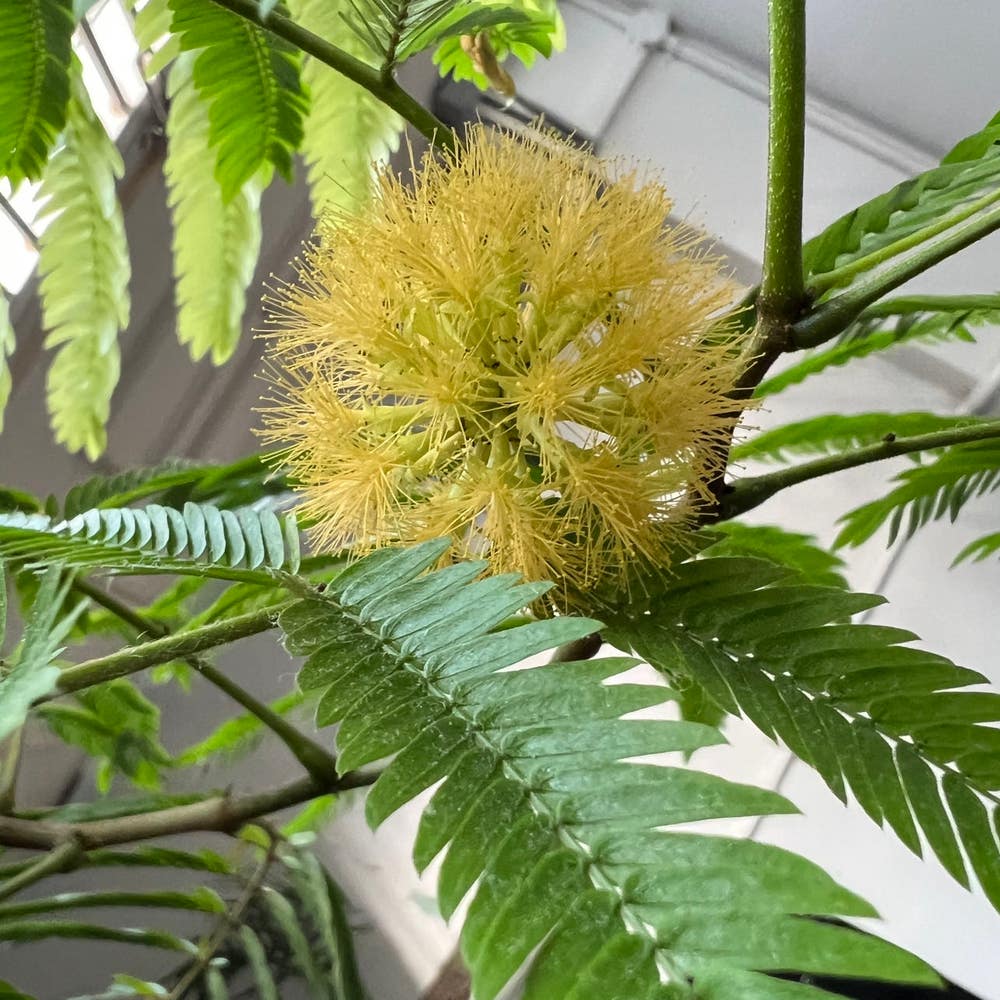
One of the standout features of the Siris Tree is its ability to attract pollinators, particularly bees. These busy insects thrive on the tree's flowers, contributing to the overall health of the ecosystem.
Moreover, the Siris Tree provides nesting sites for birds and small mammals. This makes it a vital component in promoting biodiversity and supporting local wildlife populations.
As we explore the garden management of the Siris Tree, we’ll see how to incorporate its ecological benefits into our landscaping designs.
Garden Management
Incorporating Siris Tree into Designs 🌳
Integrating the Siris Tree into your garden can enhance biodiversity. Companion planting with other non-invasive species creates a thriving ecosystem that benefits all plants involved.
The Siris Tree's broad canopy provides excellent shade, making it an ideal choice for underplanting. This allows you to cultivate shade-loving plants beneath its lush foliage, creating a layered and visually appealing garden.
Controlling Growth for Aesthetics ✂️
To maintain the Siris Tree's beauty, regular trimming is essential. This practice helps preserve its desired shape and prevents overcrowding, ensuring that it remains a focal point rather than a hindrance.
Monitoring its growth patterns is also crucial. By keeping an eye on its expansion, you can ensure that the Siris Tree continues to coexist harmoniously within your garden, reinforcing its non-invasive nature while enhancing your landscape's overall aesthetic.
With these management strategies, the Siris Tree can flourish beautifully in your garden, contributing to a vibrant and diverse environment. Next, let’s explore how the Siris Tree compares to other non-invasive plants.
Comparison to Other Plants
🌳 Similar Non-Invasive Species
When considering alternatives to the Siris Tree, two notable non-invasive species come to mind: the Red Maple and the Eastern Redbud. Both of these trees offer unique benefits, but they lack some of the standout features that make the Siris Tree particularly appealing.
The Siris Tree is known for its rapid growth, reaching impressive heights while also fixing nitrogen in the soil. This ability not only enhances soil quality but also supports the growth of surrounding plants, making it a valuable addition to any garden.
✨ Unique Qualities in Garden Settings
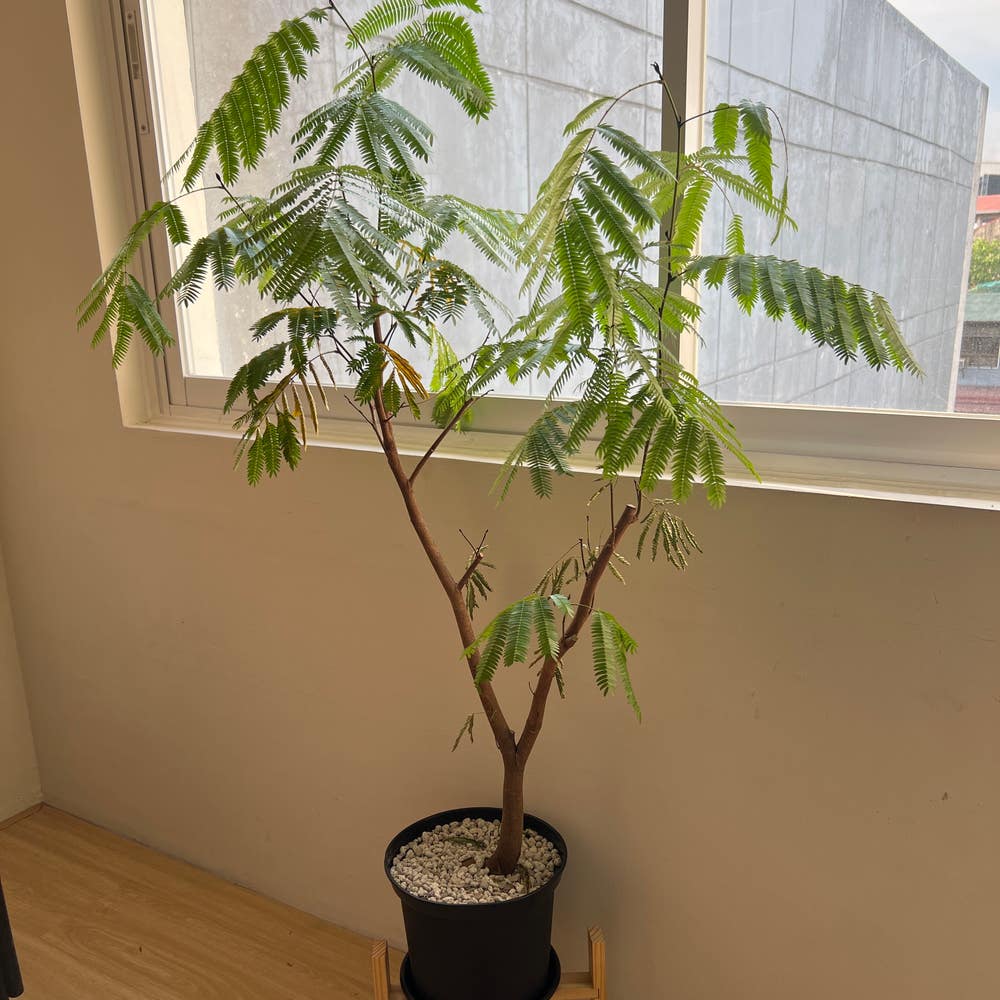
One of the most striking aspects of the Siris Tree is its aesthetic appeal. Its feathery foliage and fragrant flowers create a visually stunning display that can elevate any landscape.
Additionally, the broad canopy provides ample shade, making it an excellent choice for creating comfortable outdoor spaces. Beyond beauty, the Siris Tree contributes to soil health, making it a versatile option for gardeners looking to enhance their ecosystems.
Incorporating the Siris Tree into your garden design not only beautifies the space but also promotes a healthier environment. Its unique qualities set it apart from other non-invasive species, making it a fantastic choice for both aesthetic and ecological reasons.
As we explore the legal and environmental considerations of planting the Siris Tree, it's essential to understand how it fits into sustainable gardening practices.
Legal and Environmental Considerations
🌱 Classifications and Guidelines
When considering planting a Siris Tree, it's essential to check local regulations. Some regions may have specific guidelines regarding its cultivation to ensure it aligns with local ecosystem health.
Understanding the local environment is crucial. Siris Trees thrive in various conditions, but their impact can vary based on the surrounding flora and fauna.
🌍 Role in Sustainable Gardening
Siris Trees play a significant role in sustainable gardening practices. They are excellent for agroforestry, providing shade and improving soil quality through nitrogen fixation.
In urban landscaping, these trees contribute to biodiversity. By planting Siris Trees, gardeners can create healthier ecosystems that support a variety of wildlife and plant species.
Incorporating Siris Trees into your garden not only enhances its beauty but also fosters a thriving environment. This makes them a versatile choice for anyone looking to promote sustainability in their gardening efforts.
As we explore the unique qualities of Siris Trees, consider how they can fit into your landscape while supporting the ecosystem.
⚠️ Safety First
This content is for general information and may contain errors, omissions, or outdated details. It is not medical, veterinary advice, or an endorsement of therapeutic claims.
Always consult a qualified healthcare professional before using any plant as food, medicine, or supplement.
Never eat any plant (or feed one to pets) without confirming its identity with at least two trusted sources.
If you suspect poisoning, call Poison Control (800) 222-1222, the Pet Poison Helpline (800) 213-6680, or your local emergency service immediately.
Spotted an error? Please report it here.
Transform your garden with the versatile Siris Tree 🌱, and let Greg guide you with tailored care tips to ensure it flourishes while enhancing your ecosystem!