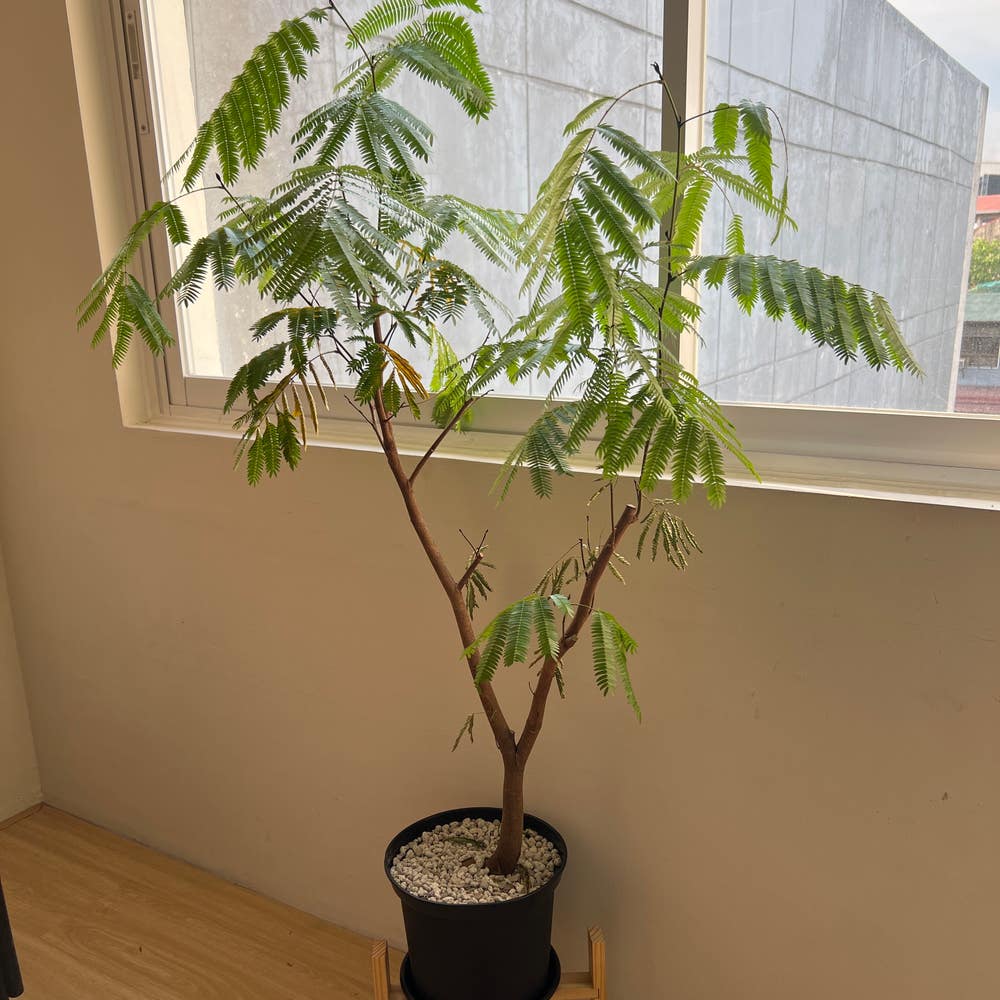
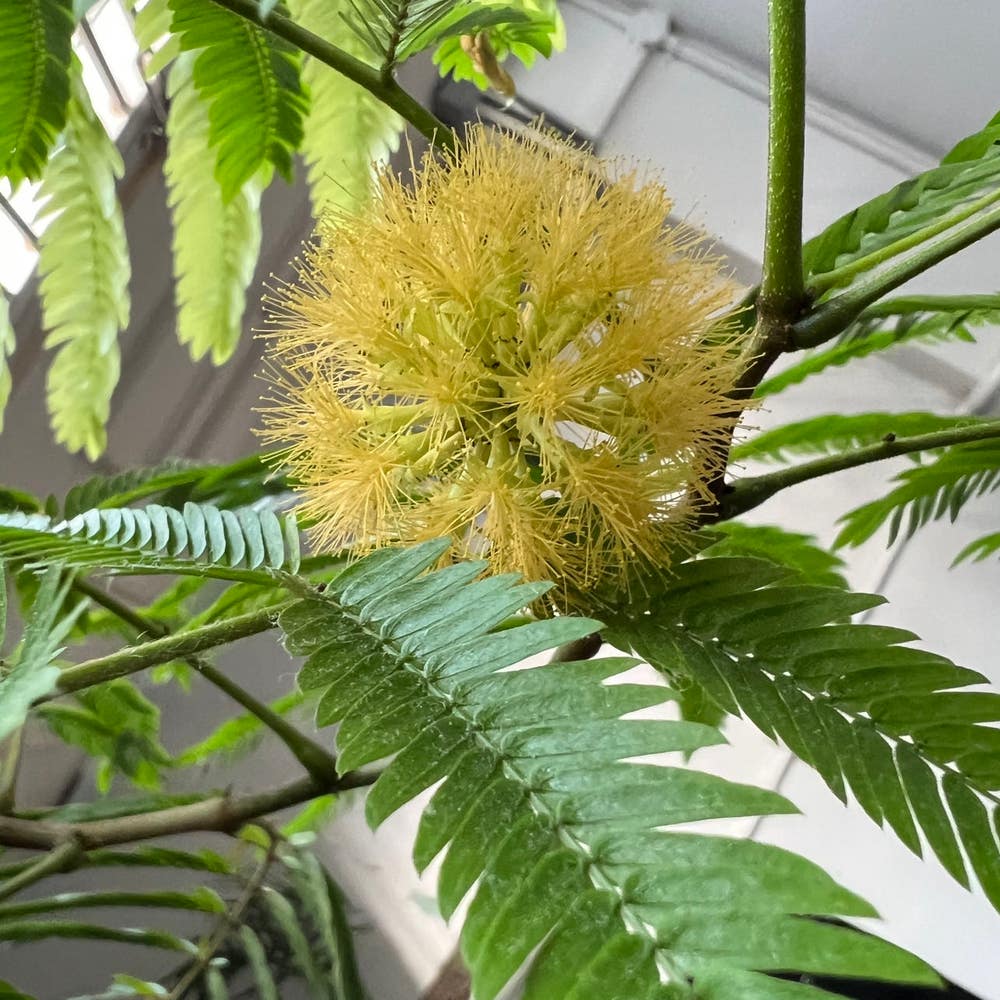
🌳 How Tall Your Siris Tree Can Get
Albizia amara
By the Greg Editorial Team
Nov 23, 2024•5 min read
This article was created with the help of AI so we can cover more plants for you. May contain errors. See one? Report it here.
- 🌳 Siris trees grow 30-50 feet tall under optimal conditions, impacting your landscape design.
- ☀️ Full sun is essential; they need 6-8 hours of direct sunlight daily for growth.
- ✂️ Regular pruning maintains size and shape, enhancing the tree's appearance and health.
Mature Height and Spread
Mature Height 🌳
The Siris tree typically reaches a height range of 30 to 50 feet (9 to 15 meters) when grown under optimal conditions. Several factors influence this height, including soil quality, water availability, and sunlight exposure.
Tree Spread 🌲
The average canopy width of a mature Siris tree can extend up to 40 feet (12 meters). This spread is crucial as it affects space requirements and plays a significant role in landscape design considerations.
Understanding the mature height and spread of the Siris tree is essential for planning your garden or landscape effectively. With the right conditions, these trees can thrive and create a stunning visual impact.
Next, we will explore the growth rate and time it takes for these trees to reach maturity.
Growth Rate and Time to Maturity
Growth Rate 🌱
Siris trees are known for their rapid growth, often reaching impressive heights in just a few years. Under ideal conditions, you can expect an average annual growth of 3-5 feet (0.9-1.5 meters).
Time to Maturity ⏳
These trees typically reach full maturity within 10-15 years. However, several factors can influence this timeline, including environmental conditions and the care practices you implement.
Understanding the growth rate and time to maturity of your Siris tree is crucial for planning its placement and care. With the right conditions and attention, you can enjoy the beauty of a mature Siris tree in your landscape sooner than you might think.
Next, we’ll explore how various environmental factors can impact the size of your Siris tree.
Size Variability Based on Conditions
🌍 Environmental Impact on Size
The size of your Siris tree can vary significantly based on environmental factors. It has a remarkable ability to thrive even in poor soils, but nutrient availability plays a crucial role; richer soils typically lead to larger growth.
☀️ Sunlight Requirements and Growth Patterns
Sunlight is another key player in determining tree size. Siris trees flourish in full sun, requiring 6-8 hours of direct sunlight daily to reach their maximum potential.
🌳 Growth Patterns in Shaded Areas
Conversely, trees that find themselves in shaded areas often exhibit stunted growth. Reduced sunlight can lead to smaller sizes and less vigorous health, making location a critical consideration for planting.
💧 Water Needs and Impact on Growth
Watering is essential for healthy growth. Regular watering promotes robust development, while drought conditions can severely limit the size of your Siris tree.
🚫 The Dangers of Overwatering
However, it's important to strike a balance. Overwatering can lead to root rot, which negatively impacts the tree's overall health and size.
Understanding these factors can help you create the ideal environment for your Siris tree, ensuring it reaches its full potential. Next, let’s explore the different varieties of Siris trees and their unique characteristics.
Varieties of Siris Tree
🌱 Dwarf Varieties and Their Characteristics
Dwarf Siris trees are a fantastic option for those with limited space. Typically reaching heights of 10-20 feet (3-6 meters), they fit perfectly into smaller gardens or urban landscapes.
These compact trees offer a charming aesthetic without overwhelming your outdoor area. Their manageable size makes them ideal for patios, courtyards, or even as accent plants in larger gardens.
🌳 Giant Varieties and Their Growth Potential
On the other end of the spectrum, giant Siris trees can soar beyond 50 feet (15 meters) in height. These majestic specimens create a stunning focal point in any landscape but require ample space to thrive.
When considering planting a giant variety, ensure you have enough room for its expansive growth. Proper conditions and careful planning will help these trees reach their full potential while enhancing your outdoor environment.
As you explore the different varieties of Siris trees, think about your space and how each type can complement your landscape design. Next, let’s delve into how environmental factors can influence the size of these remarkable trees.
Controlling Size
🌳 Pruning Techniques for Size Management
Pruning is essential for maintaining the desired size and shape of your Siris tree. It not only encourages healthy growth but also enhances the tree's overall appearance.
Timing: The best time to prune is during the dormant season. This minimizes stress on the tree and promotes vigorous growth in the spring.
Methods: Use selective pruning techniques to manage both height and spread. Focus on removing branches that disrupt the desired shape or crowd the tree.
Frequency: Aim for annual pruning to keep your tree at the size you want. Regular maintenance prevents overgrowth and encourages a more robust structure.
✂️ Other Methods to Control Growth
In addition to pruning, there are other effective methods to control the size of your Siris tree.
Use of Growth Regulators: Chemical treatments can help limit height. These products can be particularly useful if you're looking to keep your tree manageable without frequent pruning.
Strategic Planting: Consider where you plant your tree. Positioning it in areas where size can be effectively managed is crucial. This foresight can save you time and effort in the long run.
By employing these techniques, you can enjoy a beautifully shaped Siris tree that fits perfectly into your landscape. Next, let's explore the various Siris tree varieties and their unique characteristics.
⚠️ Safety First
This content is for general information and may contain errors, omissions, or outdated details. It is not medical, veterinary advice, or an endorsement of therapeutic claims.
Always consult a qualified healthcare professional before using any plant as food, medicine, or supplement.
Never eat any plant (or feed one to pets) without confirming its identity with at least two trusted sources.
If you suspect poisoning, call Poison Control (800) 222-1222, the Pet Poison Helpline (800) 213-6680, or your local emergency service immediately.
Spotted an error? Please report it here.
Unlock the full potential of your Siris tree 🌳 with Greg's tailored care reminders, ensuring it thrives in optimal conditions for stunning growth and beauty!