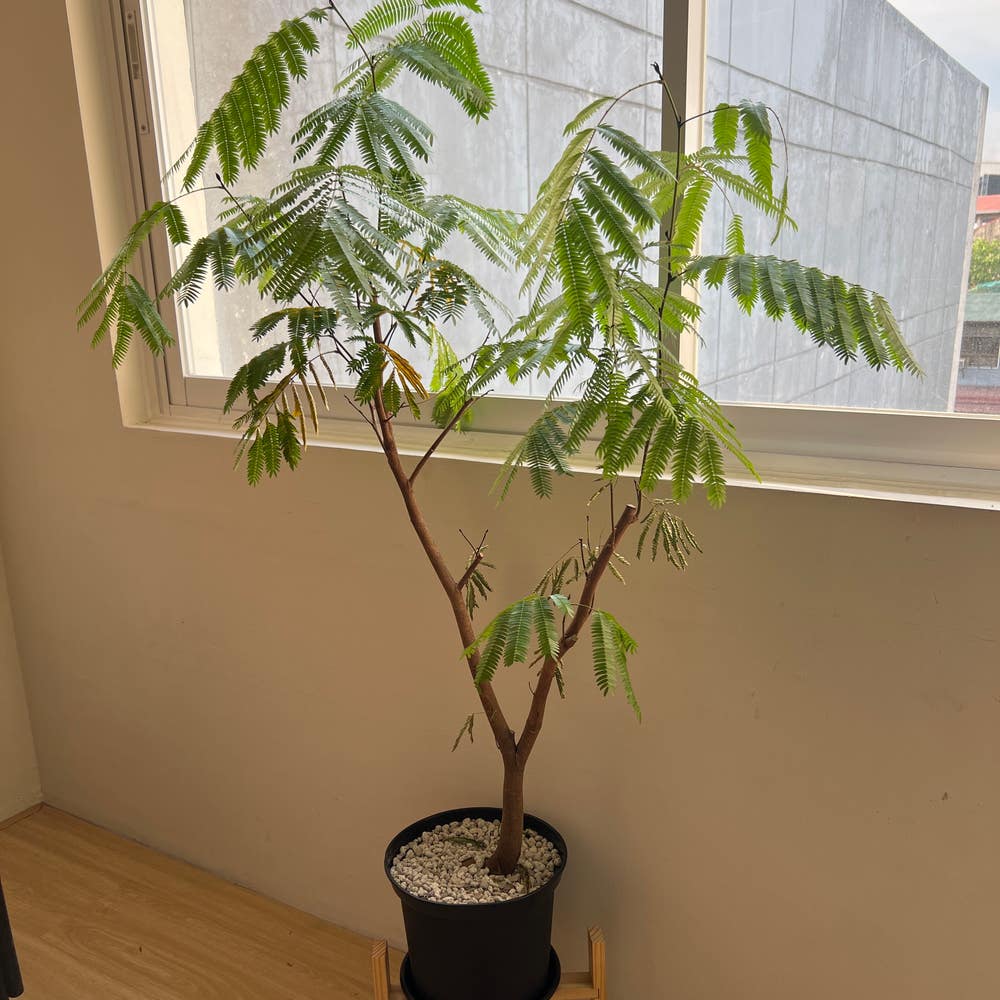
🌳 Why Your Siris Tree Leaves Are Falling Over
Albizia amara
By the Greg Editorial Team
Nov 23, 2024•5 min read
This article was created with the help of AI so we can cover more plants for you. May contain errors. See one? Report it here.
- 🌬️ Environmental stress and strong winds can cause Siris tree leaves to fall.
- 🐜 Pest infestations like aphids lead to leaf drop; inspect regularly for early detection.
- 🌱 Nutrient deficiencies in nitrogen and iron contribute to yellowing and falling leaves.
Causes of Leaf Drop
🌬️ Environmental Stress Factors
Environmental stress can significantly impact the health of your Siris tree. Temperature extremes, whether scorching heat or sudden cold snaps, can lead to leaf drop as the tree struggles to adapt.
Low humidity levels also play a crucial role in leaf retention. When the air is too dry, trees may shed leaves to conserve moisture, leading to a less vibrant appearance.
Strong winds can further exacerbate this issue. High gusts can physically dislodge leaves, causing them to fall prematurely and leaving the tree vulnerable.
🐜 Pest Infestations
Pests are another common culprit behind leaf drop in Siris trees. Aphids, for instance, are tiny insects that suck sap from leaves, leading to yellowing and curling.
Scale insects are another threat, often appearing as small, immobile bumps on branches. They can weaken the tree's overall health, making it more susceptible to leaf loss.
Symptoms of pest-related leaf drop include yellowing leaves, sticky residue on surfaces, and the presence of visible pests. Regular monitoring can help catch these infestations early.
🥦 Nutrient Deficiencies
Nutrient deficiencies can also lead to leaf drop in Siris trees. Nitrogen is essential for leaf growth and overall health; without it, leaves may turn yellow and fall off.
Iron is another critical nutrient, as it plays a vital role in chlorophyll production. A lack of iron can result in yellowing leaves and stunted growth, signaling that your tree needs attention.
💧 Soil Moisture Issues
Well-drained soil is crucial for the health of Siris trees. Poor drainage can lead to root rot, while overly dry soil can stress the tree, both resulting in leaf drop.
Understanding the signs of overwatering and underwatering is essential. Overwatered trees may show yellowing leaves and wilting, while underwatered trees will have dry, crispy leaves.
Maintaining ideal soil moisture levels is key. Regular checks and adjustments to your watering routine can help keep your Siris tree thriving.
In summary, understanding the causes of leaf drop is vital for maintaining a healthy Siris tree. By addressing environmental stress, pest infestations, nutrient deficiencies, and soil moisture issues, you can ensure your tree remains vibrant and lush. Next, we’ll explore how to diagnose these problems effectively.
Diagnosis and Treatment
🕵️♂️ Diagnosing the Problem
Observing Environmental Conditions
To effectively diagnose why your Siris tree leaves are falling, start by assessing the environmental conditions. Check the temperature, humidity, and wind exposure, as these factors can significantly impact leaf health.
Seasonal changes also play a crucial role. Regular monitoring helps you understand how these conditions fluctuate throughout the year, allowing for timely interventions.
Checking for Pests
Next, inspect your tree for pests. Look for signs of infestation, such as discolored leaves or visible insects.
Utilize tools like a magnifying glass or sticky traps to aid in your inspection. These can help you spot even the smallest pests that might be affecting your tree's health.
Soil Testing for Nutrients
Soil health is vital for your Siris tree. Consider using DIY soil testing kits or hiring professional services to assess nutrient levels.
Interpreting the results is key. Understanding what nutrients are lacking will guide you in making necessary adjustments to support your tree's growth.
💊 Treatment Options
Adjusting Watering Practices
Watering practices can make or break your tree's health. Follow recommended guidelines for watering frequency, which may vary by season.
Be vigilant for signs of overwatering or underwatering. Adjust your watering habits accordingly to maintain optimal soil moisture.
Fertilization Techniques
Choosing the right fertilizer is essential for your Siris tree. Look for options with appropriate NPK ratios or consider organic alternatives.
Timing and frequency of application matter too. Proper fertilization can enhance your tree's resilience and overall health.
Pest Control Methods
When it comes to pest control, consider starting with organic options like neem oil or insecticidal soap. These methods are effective and less harmful to the environment.
If infestations persist, you may need to explore chemical treatments. Use these as a last resort and only when absolutely necessary to protect your tree's health.
By diagnosing and treating your Siris tree's issues effectively, you can help it thrive. Next, let's explore some prevention strategies to keep your tree healthy in the long run.
Prevention Strategies
Best Practices for Care 🌱
Proper Watering Techniques
Effective watering is crucial for the health of your Siris tree. Aim for deep watering sessions rather than frequent shallow ones to encourage strong root development.
Ensure that the soil has good drainage to prevent water from pooling. Excess moisture can lead to root rot and other issues that compromise leaf health.
Soil Management
Choosing the right soil type is essential for your Siris tree's growth. Opt for well-draining, fertile loam that provides the necessary nutrients and aeration.
To enhance soil health, consider techniques like composting and mulching. These practices improve nutrient availability and help retain moisture without waterlogging the roots.
Regular Monitoring for Pests 🐛
Regular inspections are key to catching pest problems early. Aim for weekly checks during the growing season to keep an eye on your tree's health.
Watch for changes in leaf appearance and any signs of pest activity. Early detection can save your tree from significant damage and ensure it remains vibrant and healthy.
By implementing these prevention strategies, you can maintain a thriving Siris tree and minimize the risk of leaf drop. Next, we’ll explore how to diagnose specific issues affecting your tree's health.
⚠️ Safety First
This content is for general information and may contain errors, omissions, or outdated details. It is not medical, veterinary advice, or an endorsement of therapeutic claims.
Always consult a qualified healthcare professional before using any plant as food, medicine, or supplement.
Never eat any plant (or feed one to pets) without confirming its identity with at least two trusted sources.
If you suspect poisoning, call Poison Control (800) 222-1222, the Pet Poison Helpline (800) 213-6680, or your local emergency service immediately.
Spotted an error? Please report it here.
Keep your Siris tree thriving 🌳 by using Greg's tailored care tips and reminders to tackle environmental stress, pests, and nutrient needs effectively!