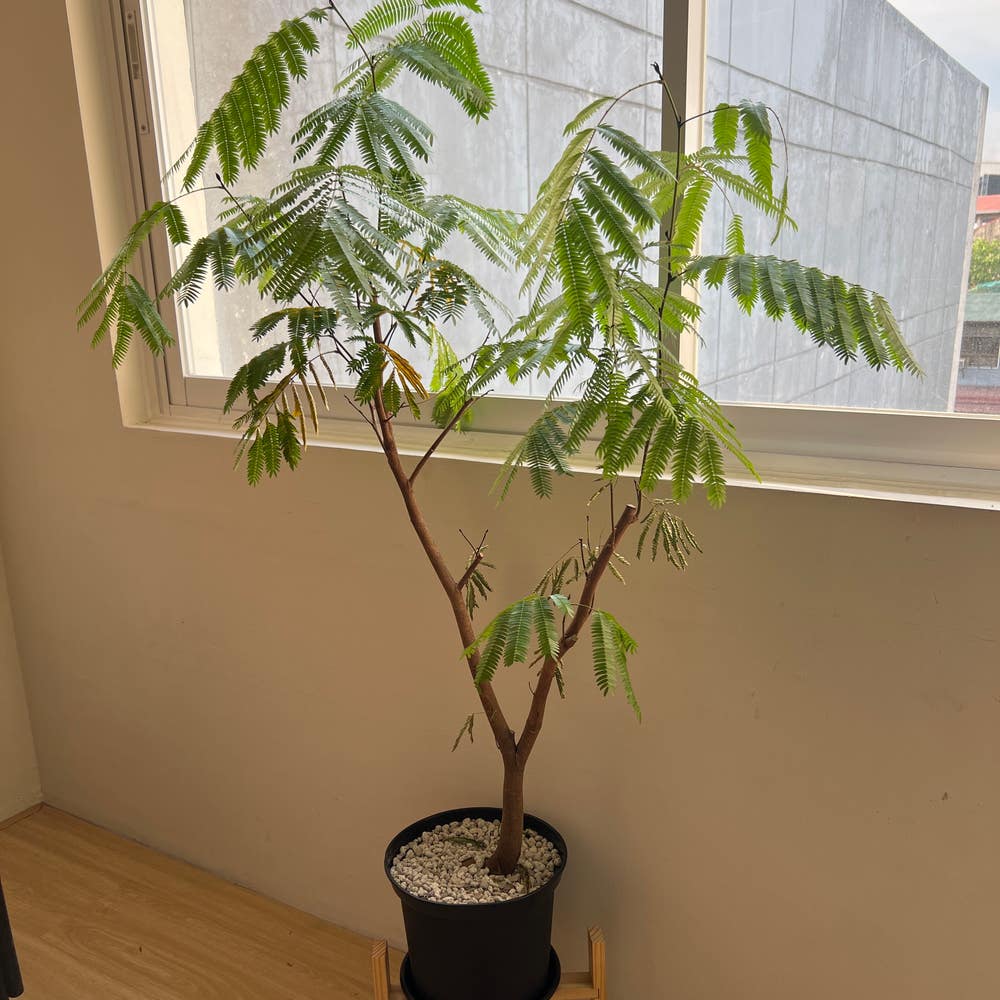
Best Tips for Healthy Siris Tree Roots 🌳
Albizia amara
By the Greg Editorial Team
Nov 23, 2024•7 min read
This article was created with the help of AI so we can cover more plants for you. May contain errors. See one? Report it here.
- 🌳 Siris trees thrive with deep taproots, accessing vital water and nutrients for growth.
- 💧 Avoid overwatering to prevent root rot; healthy roots are firm and light-colored.
- 🌱 Repot rootbound trees in spring for optimal growth and stability.
Characteristics of Siris Tree Roots
Deep Taproot System 🌳
The Siris tree boasts a remarkable deep taproot system, which allows it to access vital water and nutrients buried deep in the soil. This characteristic not only supports the tree's growth but also enhances its resilience during dry spells.
Wide Root Spread 🌍
In addition to its deep roots, the Siris tree features a wide root spread that stabilizes the tree and improves its drought resistance. This expansive network helps the tree anchor itself firmly, making it less susceptible to toppling in strong winds.
Variations Among Common Varieties 🌱
Interestingly, root characteristics can vary among common Siris tree varieties. Some may develop deeper or wider roots depending on their specific growing conditions and genetic traits, showcasing the adaptability of this species.
Understanding these root characteristics is essential for anyone looking to cultivate healthy Siris trees. With a solid grasp of their unique root systems, you can better support their growth and vitality.
Root Depth and Spread
Typical Root Depth 🌳
The Siris Tree boasts an impressive root depth, typically ranging from 6 to 10 feet (1.8 to 3 meters). This depth allows the tree to access vital water and nutrients, but several factors can influence how deep the roots grow, including soil type and moisture availability.
Root Spread Patterns 🌍
When it comes to root spread, the Siris Tree's roots can extend a typical radius of 20 to 30 feet (6 to 9 meters) from the trunk. This wide spread is crucial for stability and helps the tree efficiently gather nutrients from the surrounding soil.
Growth Patterns 🌱
Siris Tree roots exhibit a horizontal growth pattern, which is essential for both stability and nutrient access. During the spring and summer, you’ll notice active growth, as the tree takes full advantage of the warmer weather to expand its root system.
Understanding the depth and spread of Siris Tree roots is vital for ensuring their health and resilience. This knowledge sets the stage for effective watering and fertilizing practices, which we will explore next.
Watering and Fertilizing
🌱 Impact of Root System on Watering Needs
Watering your Siris Tree effectively is crucial for its root health. Deep watering techniques are essential to encourage the development of a robust taproot system, allowing the tree to access moisture and nutrients from deeper soil layers.
Be mindful of the signs of overwatering, which can be detrimental. Yellowing leaves and wilting, even when the soil feels moist, indicate that your tree may be suffering from excess water.
🌿 Fertilization Techniques
To promote healthy root growth, using balanced NPK fertilizers is highly recommended. These fertilizers provide essential nutrients that support root development and overall plant vitality.
Timing is everything when it comes to fertilization. Aim to apply fertilizers in early spring and again in mid-summer for optimal results.
When it comes to application methods, you have options. Surface application is straightforward, but deep root feeding can be more effective in delivering nutrients directly to the roots.
Understanding these watering and fertilizing techniques will set your Siris Tree up for success. Next, let’s explore common root-related issues that can arise and how to tackle them effectively.
Common Root-Related Issues
🕵️♂️ Identification of Common Root Problems
Understanding root-related issues is crucial for maintaining the health of your Siris Tree. Two of the most common problems are root rot and pest infestations.
Root Rot
Root rot is a serious condition that can quickly jeopardize your tree's health. Symptoms include wilting leaves, yellowing foliage, and a foul odor emanating from the soil.
The primary causes of root rot are overwatering and poor drainage. When the soil remains saturated, it deprives roots of oxygen, leading to decay.
Pests Affecting Roots
Root pests can also wreak havoc on your Siris Tree. Common culprits include root nematodes and grubs, which can significantly hinder growth.
Signs of infestation often manifest as stunted growth or visible pests in the soil. If you notice these symptoms, it’s essential to act quickly.
🛡️ Prevention and Solutions
Preventing root-related issues starts with proper watering practices. Allow the soil to dry out between waterings to avoid over-saturation.
Incorporating soil amendments is another effective strategy. Using well-draining soil mixes can help maintain healthy root conditions.
For pest management, consider organic pesticides and regular soil health maintenance. Keeping your soil balanced and healthy can deter many pests before they become a problem.
By staying vigilant and proactive, you can ensure your Siris Tree thrives, avoiding common root-related pitfalls. Next, we’ll explore how to identify indicators of root health to further support your tree's vitality.
Indicators of Root Health
👀 Visual Cues for Healthy Roots
Healthy roots are essential for a thriving Siris tree. Look for roots that are firm, with a white or light tan color, and importantly, they should not emit any foul smell.
In contrast, unhealthy roots present a dark, mushy texture and often carry a noticeable odor. These visual cues can help you quickly assess the condition of your tree's root system.
📊 Other Indicators of Root Health
Beyond the roots themselves, the overall vigor of the plant can signal root health. Observe the leaf color and growth rate; vibrant leaves and robust growth typically indicate a healthy root system.
Soil moisture levels also play a crucial role. Aim for consistency in moisture without waterlogging, as this balance is vital for maintaining root health and preventing issues like root rot.
Understanding these indicators can empower you to take proactive steps in nurturing your Siris tree. With healthy roots, your tree will be better equipped to thrive and resist stress factors.
Next, we will explore rootbound plants and how to recognize and address this common issue.
Rootbound Plants
Definition and Recognition of Rootbound Conditions 🌱
Rootbound plants occur when roots circle the pot, leading to stunted growth and nutrient deficiencies. You might notice roots emerging from drainage holes or a general decline in plant health, indicating it's time to take action.
Addressing Rootbound Issues 🛠️
Recognizing when to intervene is crucial. If your plant shows signs of stunted growth or poor health, it’s time to repot.
Repotting Techniques
Follow these steps to effectively address rootbound conditions:
- Choose a larger pot with drainage holes to allow for growth.
- Gently remove the plant from the old pot, being careful not to damage the roots.
- Trim circling roots and loosen any compacted soil to encourage new growth.
- Replant in fresh soil, ensuring the plant is at the proper depth for optimal health.
By following these techniques, you can help your Siris tree thrive and regain its vitality. A healthy root system is essential for overall plant resilience, setting the stage for robust growth and flourishing foliage.
As we move forward, let’s explore the importance of root health in propagation and division.
Propagation and Division
🌱 Importance of Root Health in Propagation
Healthy roots are crucial for successful propagation. They ensure efficient nutrient uptake and provide stability for new plants.
Timing is also key; the best time for propagation is early spring. This season offers optimal conditions for growth and recovery.
✂️ Techniques for Dividing and Propagating Siris Tree
There are two primary methods for propagating Siris trees: seed propagation and root division.
Seed Propagation
- Soak seeds for 24 hours to enhance germination.
- Plant them in well-draining soil to prevent waterlogging.
Root Division
- Carefully separate roots during repotting, ensuring each section has viable roots.
- This method allows for the creation of new plants while maintaining the health of the parent tree.
By understanding these techniques, you can effectively propagate and expand your Siris tree collection. Healthy roots lead to thriving plants, setting the stage for a lush landscape.
Next, we will explore how to identify and address common root-related issues that may arise.
⚠️ Safety First
This content is for general information and may contain errors, omissions, or outdated details. It is not medical, veterinary advice, or an endorsement of therapeutic claims.
Always consult a qualified healthcare professional before using any plant as food, medicine, or supplement.
Never eat any plant (or feed one to pets) without confirming its identity with at least two trusted sources.
If you suspect poisoning, call Poison Control (800) 222-1222, the Pet Poison Helpline (800) 213-6680, or your local emergency service immediately.
Spotted an error? Please report it here.
Grow your Siris tree's roots deep and strong 🌱 with Greg's tailored watering reminders and expert care tips for a flourishing future!