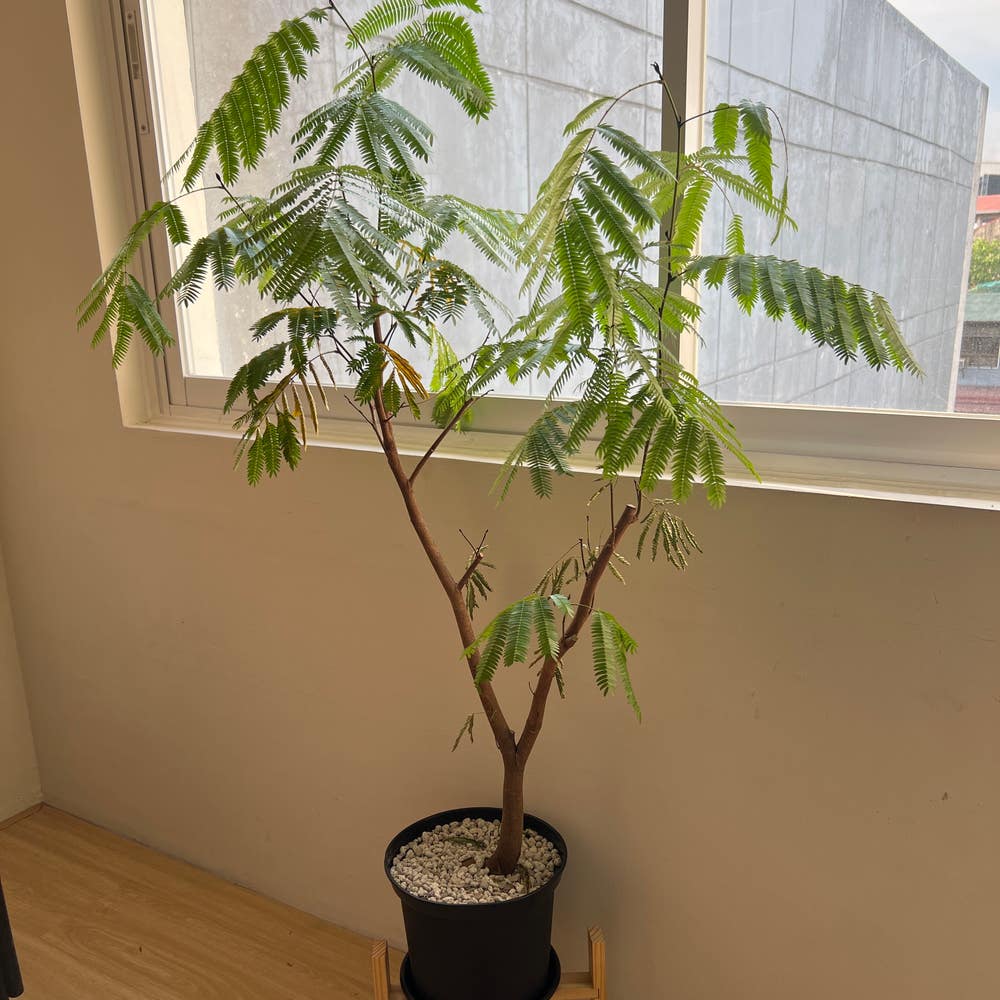
What to Do About Black Spots on Your Siris Tree 🌳
Albizia amara
By the Greg Editorial Team
Nov 23, 2024•5 min read
This article was created with the help of AI so we can cover more plants for you. May contain errors. See one? Report it here.
- 🌱 Black spots indicate fungal infections; look for yellow halos on leaves.
- 💧 Overwatering and humidity worsen black spots; monitor soil moisture carefully.
- 🌞 Siris trees need full sun; ensure at least six hours of direct sunlight daily.
Diagnosing the Problem
🦠 Identifying fungal infections
Fungal infections can be a significant concern for your Siris tree. Look for dark, irregular spots accompanied by yellow halos on the leaves, which are telltale signs of fungal presence.
High humidity and poor air circulation create ideal conditions for these fungi to thrive. Keeping an eye on these environmental factors is crucial for maintaining your tree's health.
🌪️ Recognizing environmental stress factors
Environmental stress can also lead to black spots on your Siris tree. Overwatering is a common issue, often indicated by wilting leaves and soggy soil conditions.
Additionally, poor drainage can be a culprit, with water pooling around the base of the tree. Temperature extremes, whether from heat stress or frost, can further impact leaf health, making it essential to monitor these conditions closely.
🐛 Differentiating between pests and diseases
It's vital to distinguish between pest damage and fungal infections. Signs of pest issues include chewed edges, webbing, or even visible insects on the leaves.
To differentiate symptoms, compare the leaf spots from fungal infections with those caused by pests. Understanding these differences will help you take appropriate action to protect your tree.
In the next section, we will explore effective treatment options to address these issues and restore your Siris tree's health.
Treatment Options
Chemical treatments for fungal infections 🌿
When dealing with fungal infections on your Siris tree, selecting the right fungicide is crucial. Look for products specifically formulated to combat leaf spot diseases, such as chlorothalonil or copper-based fungicides.
Application is key to effectiveness. Follow the manufacturer's guidelines for frequency and method, ensuring even coverage on affected areas for optimal results.
Organic solutions for leaf spot issues 🌱
If you prefer a more natural approach, consider using neem oil or baking soda solutions as effective natural fungicides. These options are not only eco-friendly but can also be gentle on your tree.
For homemade remedies, mix one tablespoon of baking soda with a few drops of liquid soap in a gallon of water. Spray this solution on the affected leaves to help combat fungal growth.
Proper pruning techniques to remove affected leaves ✂️
Pruning is an essential step in managing leaf spot issues. Always use clean, sharp tools to prevent further infection and ensure a clean cut.
Timing is also important. The best time to prune affected leaves is during dry weather, which minimizes stress on the tree and helps it recover more quickly.
By implementing these treatment options, you can effectively address black spots on your Siris tree and promote its overall health. Next, let’s explore preventive measures to keep your tree thriving.
Preventive Measures
Best practices for watering and soil management 🌱
Monitoring soil moisture is crucial to prevent overwatering your Siris Tree. Use a simple finger test: stick your finger into the soil about an inch deep; if it feels dry, it’s time to water.
Well-draining soil is essential for tree health. Consider adding organic matter like compost to improve drainage and aeration, ensuring your tree’s roots can breathe and thrive.
Importance of proper sunlight exposure ☀️
Siris Trees flourish in full sun, requiring at least six hours of direct sunlight daily. Ensure that your tree is positioned where it can soak up the sun without obstruction.
Be mindful of surrounding plants or structures that may cast shadows. Even a small amount of shading can hinder growth and lead to health issues over time.
Regular inspection and maintenance routines 🔍
Regularly inspect your Siris Tree to catch early signs of trouble. Aim for a bi-weekly check-up, looking for any unusual spots or changes in leaf color.
Incorporate maintenance tasks like fertilization and mulching into your routine. These practices not only nourish the tree but also enhance its resilience against pests and diseases.
By following these preventive measures, you can help your Siris Tree stay healthy and vibrant. Next, let’s explore how to monitor tree health effectively to ensure your efforts pay off.
Monitoring Tree Health
Signs of recovery after treatment 🌱
After treating your Siris tree, look for signs of new growth. Healthy leaf development is a positive indicator that your tree is bouncing back.
Additionally, keep an eye on the black spots. A noticeable reduction in these symptoms over time suggests that your treatment is effective.
When to seek professional help 📞
Sometimes, despite your best efforts, the symptoms may persist. If you notice ongoing issues or extensive damage, it might be time to call in the professionals.
Finding the right tree care expert is crucial. Look for qualified arborists with good reviews and experience in treating similar issues.
Long-term care strategies for Siris Tree 🌳
Consistent care is key to preventing future problems with your Siris tree. Regular maintenance routines will help keep your tree healthy and resilient.
Don't forget to adjust your care practices with the seasons. Modifying your approach based on seasonal changes and the growth cycle of the tree will ensure its ongoing health and vitality.
By staying proactive and attentive, you can enjoy a thriving Siris tree for years to come.
⚠️ Safety First
This content is for general information and may contain errors, omissions, or outdated details. It is not medical, veterinary advice, or an endorsement of therapeutic claims.
Always consult a qualified healthcare professional before using any plant as food, medicine, or supplement.
Never eat any plant (or feed one to pets) without confirming its identity with at least two trusted sources.
If you suspect poisoning, call Poison Control (800) 222-1222, the Pet Poison Helpline (800) 213-6680, or your local emergency service immediately.
Spotted an error? Please report it here.
Keep your Siris tree thriving 🌳 by using Greg's tailored watering alerts and community tips to tackle those black spots with confidence!