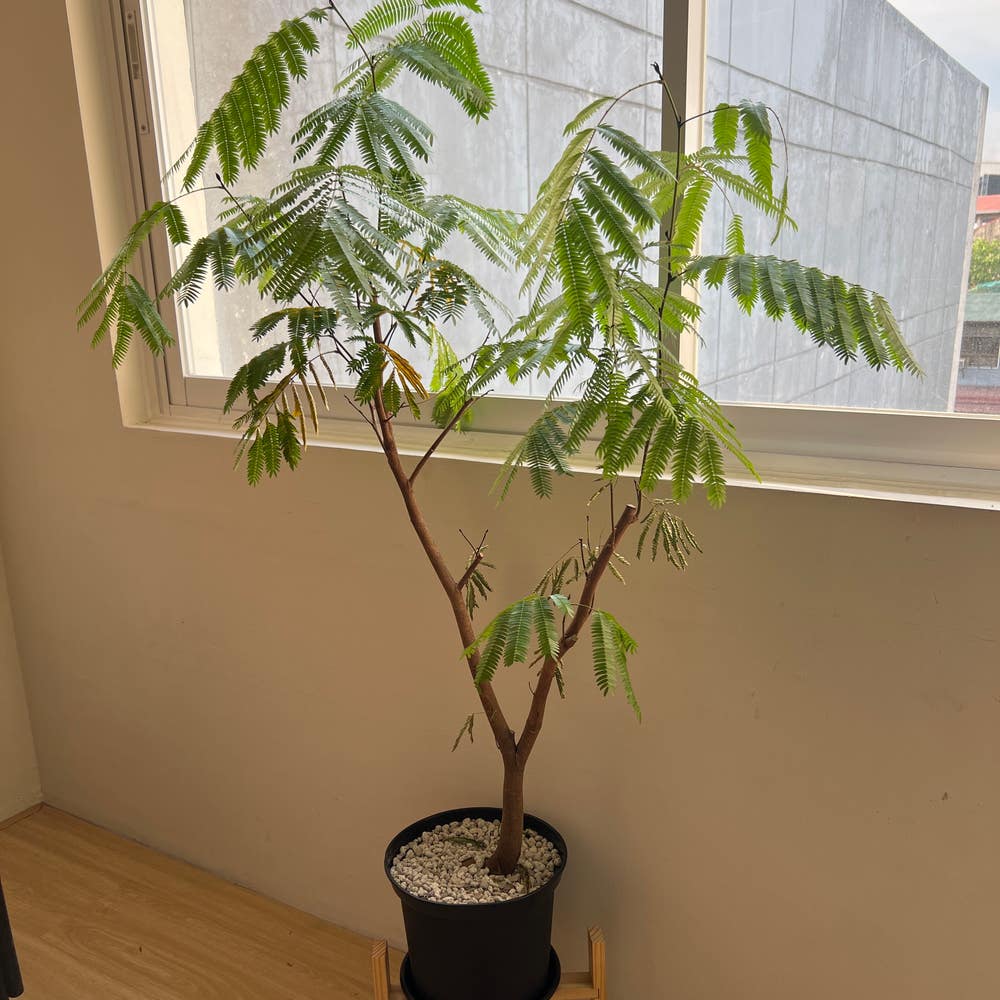
🌳 Ultimate Guide to Root Rot in Siris Tree
Albizia amara
By the Greg Editorial Team
Nov 23, 2024•6 min read
This article was created with the help of AI so we can cover more plants for you. May contain errors. See one? Report it here.
- 🌱 Early signs of root rot include yellowing leaves and wilting; act fast!
- 🕵️♂️ Inspect roots for mushiness to confirm root rot and take necessary action.
- 💧 Proper drainage and watering practices are essential to prevent root rot in Siris trees.
Identifying Root Rot Symptoms
👀 Visual Signs of Root Rot
Recognizing root rot early can save your Siris tree from serious damage. Look out for yellowing leaves, which often signal root distress, indicating that the roots are struggling to absorb nutrients.
Another key symptom is wilting, even when you've watered adequately. This paradox can be alarming, but it’s a classic sign that root rot may be at play.
Finally, check for root discoloration. If you expose the roots and notice dark, mushy areas, it’s a clear indication of decay that needs immediate attention.
🔍 How to Check for Root Rot (Root Inspection)
Inspecting your tree for root rot is straightforward and can be done in a few easy steps:
- Gently remove the tree from its pot. This allows you to examine the roots without causing too much stress.
- Inspect the root system for mushy, dark roots. Healthy roots should be firm and white or light tan.
- Assess the soil for excessive moisture. If the soil feels soggy, it’s a strong indicator that root rot could be developing.
🆚 Distinguishing Root Rot from Other Plant Issues
It’s crucial to differentiate root rot from other common plant problems. For instance, nutrient deficiencies can also cause yellowing leaves, but they typically won’t lead to wilting unless the issue is severe.
Similarly, pest damage can mimic some symptoms of root rot, such as wilting and discoloration. Accurate diagnosis is essential for effective treatment, so take the time to observe and analyze your tree’s condition carefully.
By understanding these symptoms and inspection techniques, you can take proactive steps to protect your Siris tree from root rot and ensure its long-term health. Next, we’ll explore how to prevent root rot from occurring in the first place.
Preventing Root Rot
🌧️ Importance of Proper Soil Drainage
Proper soil drainage is crucial for maintaining healthy roots. When water accumulates around the roots, it can lead to suffocation and decay, making your Siris tree vulnerable to root rot.
To ensure effective drainage, consider implementing solutions like raised beds or pots with drainage holes. These methods help excess water escape, allowing roots to breathe and thrive.
🏺 Recommended Soil Types
The ideal soil composition for your Siris tree is well-draining sandy loam. This type of soil allows for adequate moisture retention while preventing waterlogging.
Aim for a soil pH that is slightly acidic to neutral, ideally between 6.0 and 7.0. This range supports optimal nutrient availability for your tree.
🚿 Watering Practices to Avoid Root Rot
Watering frequency should be adjusted based on the moisture levels of the soil. Always check the top inch of soil; if it feels dry, it’s time to water.
Be vigilant for signs of overwatering, such as yellowing leaves or a musty smell from the soil. These indicators can signal that your tree is at risk of root rot.
🌬️ Environmental Factors Contributing to Root Rot
High humidity and poor air circulation can exacerbate root rot conditions. Ensure your tree has enough airflow around it to help reduce moisture buildup.
Seasonal changes also play a role in moisture management. During rainy seasons, be extra cautious with watering to prevent waterlogged conditions.
By following these preventive measures, you can significantly reduce the risk of root rot and keep your Siris tree healthy and flourishing. Next, let’s explore how to effectively treat root rot if it does occur.
Treating Root Rot
Step-by-Step Treatment Process 🌱
Treating root rot involves a careful, methodical approach. Start by gently removing the tree from its pot and inspecting the roots for any signs of decay.
Next, trim away any affected roots using sterilized tools. This step is crucial to prevent the spread of rot to healthy roots.
Once you've cleared the damaged roots, treat the remaining healthy roots with a suitable fungicide. This will help combat any lingering pathogens.
Finally, repot the tree in fresh, well-draining soil. This new environment will provide a healthier foundation for recovery.
Recommended Fungicides and Treatments 🧪
When it comes to fungicides, several effective options can help tackle root rot. Copper-based fungicides and systemic fungicides are popular choices among gardeners.
Application methods vary, but generally, you should follow the manufacturer's instructions for the best results. Always take safety precautions, such as wearing gloves and a mask, to protect yourself during application.
How to Repot a Tree with Root Rot 🌳
Repotting a tree with root rot requires attention to detail. First, choose a pot that has adequate drainage to prevent future moisture buildup.
Next, use a suitable soil mix designed for repotting. A well-draining mix is essential for the tree's recovery.
Position the tree correctly in the new pot, ensuring it sits at the right depth. Water lightly after repotting to avoid overwhelming the roots.
Post-Treatment Care and Monitoring 👀
After treatment, it's vital to adjust your watering practices. Water the tree only when the top inch of soil feels dry to the touch.
Monitoring is key to ensuring recovery. Keep an eye out for signs of improvement or any recurrence of root rot, so you can act quickly if needed.
With the right care, your Siris tree can bounce back and thrive once again.
Long-term Care to Prevent Recurrence
🌱 Best Practices for Ongoing Care
Maintaining optimal moisture levels is crucial for the health of your Siris tree. Regular soil moisture checks can help you avoid overwatering or underwatering, both of which can lead to root rot.
Proper fertilization also plays a significant role in supporting root health. Use a balanced fertilizer to provide essential nutrients, ensuring your tree remains strong and resilient against diseases.
🌦️ Seasonal Considerations for Watering and Soil Management
As seasons change, so should your watering schedule. In warmer months, your tree may require more frequent watering, while cooler months may necessitate less.
Additionally, consider soil amendments based on the season. Adding organic matter in spring can enhance soil structure, while mulching in fall helps retain moisture during winter.
🔍 Regular Inspection and Maintenance Tips
Frequent root inspections are key to catching issues early. Aim to check your tree's roots every few months to ensure they remain healthy and free from decay.
During these inspections, look for signs of a thriving root system, such as firm, white roots. Healthy roots indicate that your tree is on the right track, while any discoloration or mushiness should prompt immediate action.
By implementing these long-term care strategies, you can significantly reduce the risk of root rot and promote a flourishing Siris tree. Next, let’s explore the best practices for treating root rot if it does occur.
⚠️ Safety First
This content is for general information and may contain errors, omissions, or outdated details. It is not medical, veterinary advice, or an endorsement of therapeutic claims.
Always consult a qualified healthcare professional before using any plant as food, medicine, or supplement.
Never eat any plant (or feed one to pets) without confirming its identity with at least two trusted sources.
If you suspect poisoning, call Poison Control (800) 222-1222, the Pet Poison Helpline (800) 213-6680, or your local emergency service immediately.
Spotted an error? Please report it here.
Keep your Siris tree thriving and healthy 🌳 by catching root rot early and using Greg's tailored watering reminders and soil moisture checks to prevent issues before they start!