Top 4 Companions for a Healthy Siris Tree Garden 🐦
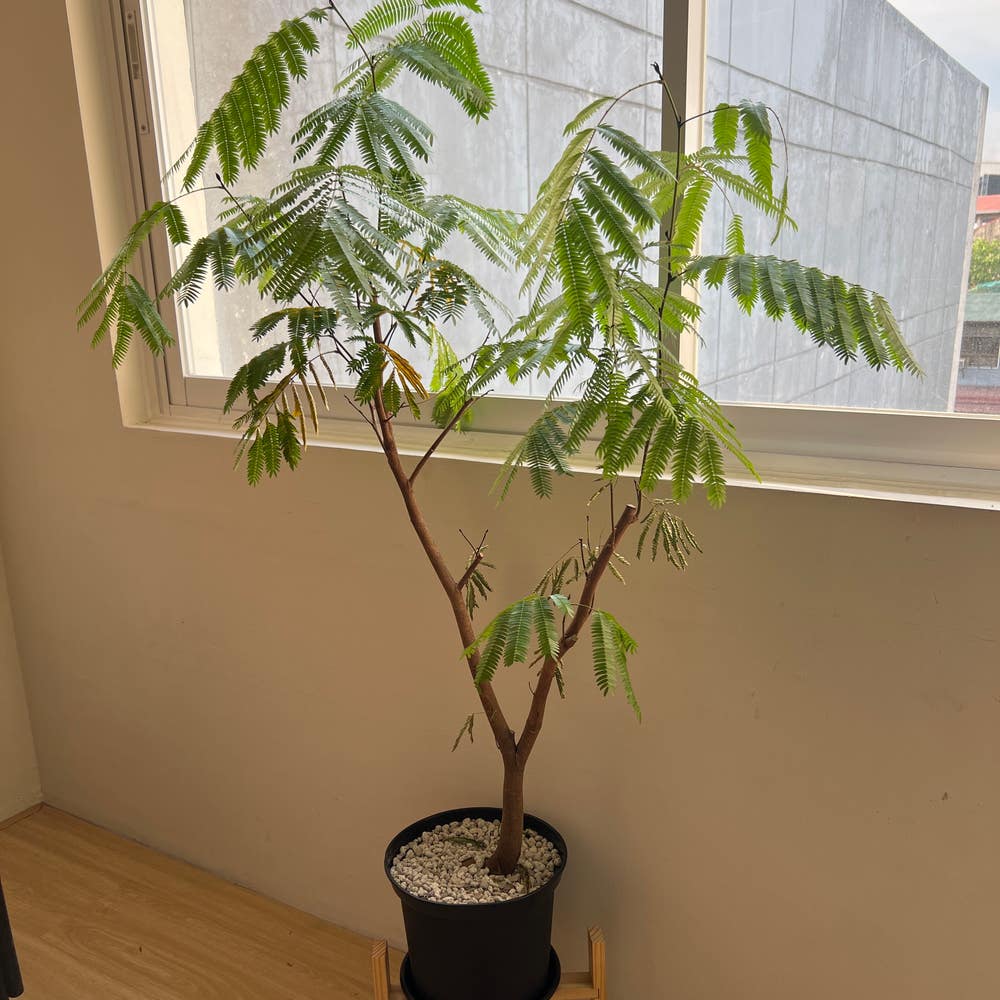
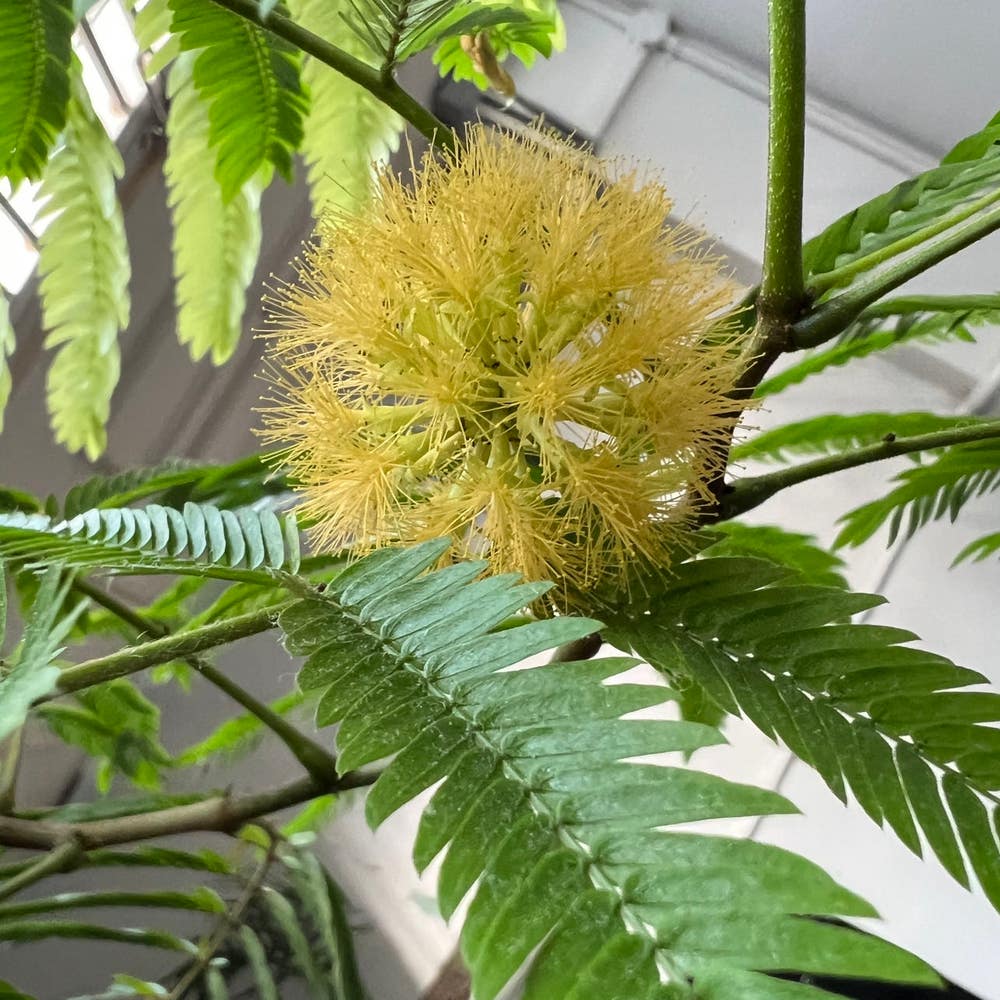
Albizia amara
By the Greg Editorial Team
Nov 23, 2024•5 min read
This article was created with the help of AI so we can cover more plants for you. May contain errors. See one? Report it here.
- 🌱 Companion planting boosts Siris Tree growth and health through diverse plant interactions.
- 🐞 Mimosa Trees and Marigolds attract pollinators and repel pests, enhancing garden vitality.
- 🌼 Basil and Sweet Potato Vines improve aesthetics while providing pest control and moisture retention.
Top Companion Plants for Siris Tree
🌸 Plant 1: Mimosa Tree
The Mimosa Tree is a fast-growing beauty, adorned with pink, fluffy flowers that catch the eye. Its similar growth habit and nitrogen-fixing capabilities make it an excellent companion for the Siris Tree.
Caring for a Mimosa Tree is straightforward; it thrives in well-drained soil and full sun. Once established, it becomes drought-resistant, making it a low-maintenance option.
This tree not only enhances biodiversity by attracting pollinators but also provides complementary shade for underplanting. Its presence can create a vibrant ecosystem in your garden.
🌼 Plant 2: Marigold
Marigolds are the cheerful stars of any garden, boasting bright flowers that are easy to grow. Known for their pest-repelling properties, they make a fantastic companion for the Siris Tree.
These flowers prefer well-drained soil and full sun, thriving even in drought conditions. Their resilience makes them a favorite among gardeners.
Marigolds deter nematodes and other garden pests, promoting a healthier environment. Plus, they add a splash of vibrant color, enhancing the visual appeal of your garden.
🌿 Plant 3: Basil
Basil is not just an aromatic herb; it’s a lush green companion that brings culinary delight and pest-repelling qualities. Its fragrant leaves are a joy to have in any garden.
This herb requires well-drained soil and regular watering, thriving best in full sun but can tolerate partial shade. Its adaptability makes it a versatile choice.
Basil effectively repels aphids and whiteflies, enhancing your pest management strategy. Additionally, it attracts beneficial insects, creating a balanced ecosystem around your Siris Tree.
🍠 Plant 4: Sweet Potato Vine
The Sweet Potato Vine is an ornamental delight, featuring attractive foliage and edible tubers. It thrives in warm climates and well-drained soils, making it a perfect companion for the Siris Tree.
This vine requires full sun and moderate watering, becoming drought-tolerant once established. Its low maintenance needs make it a gardener's favorite.
As a ground cover, it suppresses weeds and retains soil moisture, contributing to a healthier garden environment. Its unique texture and visual interest add depth to your landscape.
These companion plants not only enhance the growth and health of your Siris Tree but also create a vibrant, diverse garden. Next, let’s explore how these companions can help with pest management, ensuring your garden thrives.
Pest Management
How Companion Plants Help with Pest Control 🌱
Companion plants play a crucial role in natural pest management. Certain plants emit scents or compounds that act as natural deterrents, keeping unwanted pests at bay.
Additionally, these plants can attract beneficial insects, such as ladybugs and lacewings, which prey on common garden pests. By incorporating companion plants, you create a balanced ecosystem that supports healthy growth.
Specific Pests That Can Be Deterred by Companion Plants 🐞
Several pests can be effectively managed through companion planting:
- Aphids: Basil and marigolds are known to repel these pesky insects, protecting your garden's health.
- Whiteflies: Marigolds and other aromatic herbs can help control whitefly populations, ensuring your plants thrive.
- Nematodes: Marigolds also deter nematodes, promoting healthier soil and better growth for your Siris Tree and its companions.
By strategically selecting companion plants, you can enhance your garden's resilience against pests while fostering a vibrant ecosystem. This approach not only protects your plants but also enriches the overall gardening experience.
As we explore the visual appeal of companion planting, you'll discover how these plants can elevate the aesthetics of your Siris Tree garden.
Visual Appeal of Companion Planting with Siris Tree
🌼 Aesthetic Benefits of Companion Planting with Siris Tree
Companion planting with the Siris Tree can significantly enhance your garden's design. By incorporating diverse plant heights and colors, you create a visually dynamic landscape.
Layering is key. The towering Siris Tree provides a stunning backdrop for lower-growing companions, allowing each plant to shine in its own right.
🎨 Color and Texture Combinations
The color contrast in your garden can be striking. The dark green foliage of the Siris Tree pairs beautifully with the bright yellows and oranges of marigolds, while the lush green of basil adds depth.
Texture also plays a crucial role. The smooth leaves of basil juxtapose nicely against the feathery foliage of the Mimosa Tree, creating an engaging visual experience that draws the eye.
Incorporating these elements not only beautifies your space but also fosters a sense of harmony and balance in your garden. As you plan your planting, consider how these combinations can elevate your Siris Tree garden to new heights.
Next, let's explore how companion plants can aid in pest management, ensuring your garden remains healthy and vibrant.
Plants to Avoid Near Siris Tree
🌱 Aggressive Weeds and Competing Plants
When planning your Siris Tree garden, it's crucial to consider which plants to avoid. Certain aggressive weeds and plants can compete for nutrients and moisture, hindering the growth of your Siris Tree and its companions.
🚫 Examples of Problematic Plants
Two common culprits are Bermuda grass and specific types of ferns. These plants can quickly take over, making it difficult for your Siris Tree to thrive.
⚠️ Reasons for Avoidance
The primary reason to steer clear of these plants is competition for nutrients. They can sap essential resources, stunting the growth of your Siris Tree and its companion plants.
Additionally, some of these plants may attract pests that could harm your Siris Tree. Keeping your garden free from these threats ensures a healthier, more vibrant ecosystem.
By carefully selecting your garden companions, you can create a thriving environment for your Siris Tree. Next, let’s explore how companion plants can enhance pest management in your garden.
⚠️ Safety First
This content is for general information and may contain errors, omissions, or outdated details. It is not medical, veterinary advice, or an endorsement of therapeutic claims.
Always consult a qualified healthcare professional before using any plant as food, medicine, or supplement.
Never eat any plant (or feed one to pets) without confirming its identity with at least two trusted sources.
If you suspect poisoning, call Poison Control (800) 222-1222, the Pet Poison Helpline (800) 213-6680, or your local emergency service immediately.
Spotted an error? Please report it here.
Boost your Siris Tree garden's health and beauty 🌿 by using Greg's tailored watering reminders and community insights to select the perfect companion plants for a thriving ecosystem!