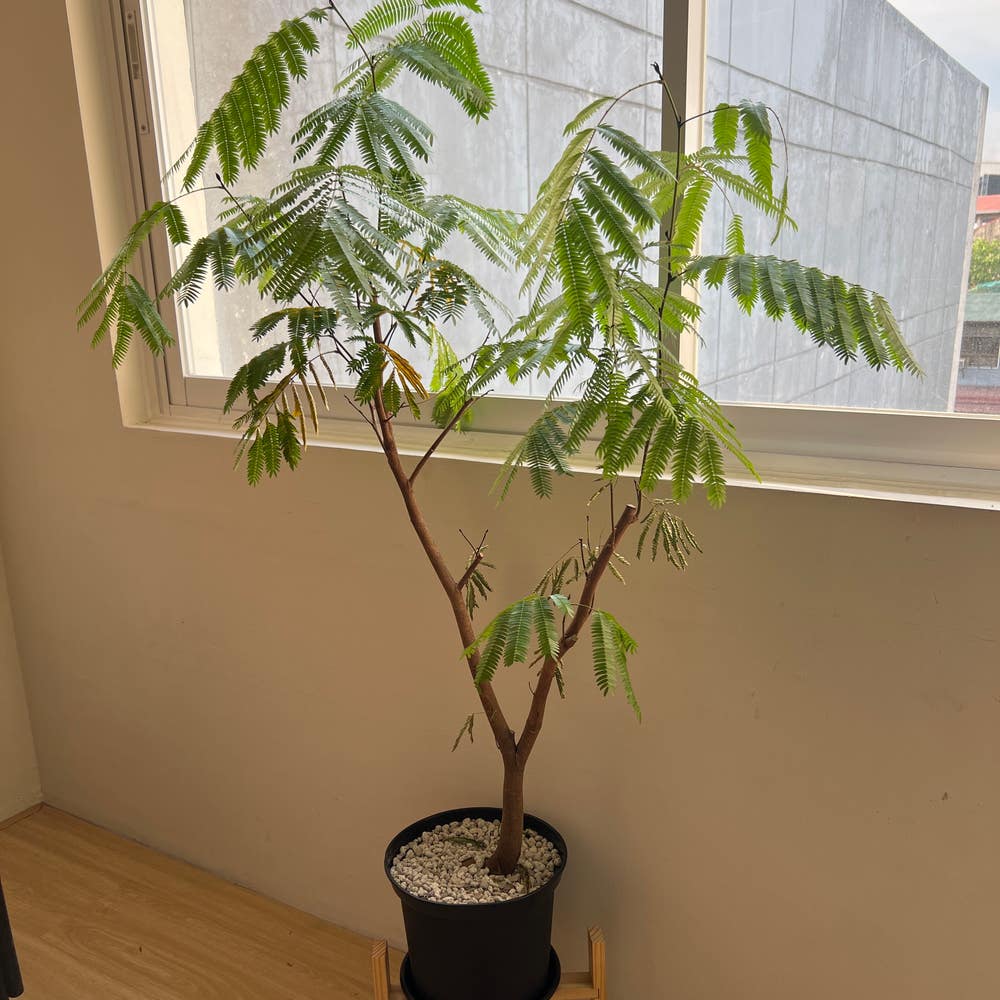
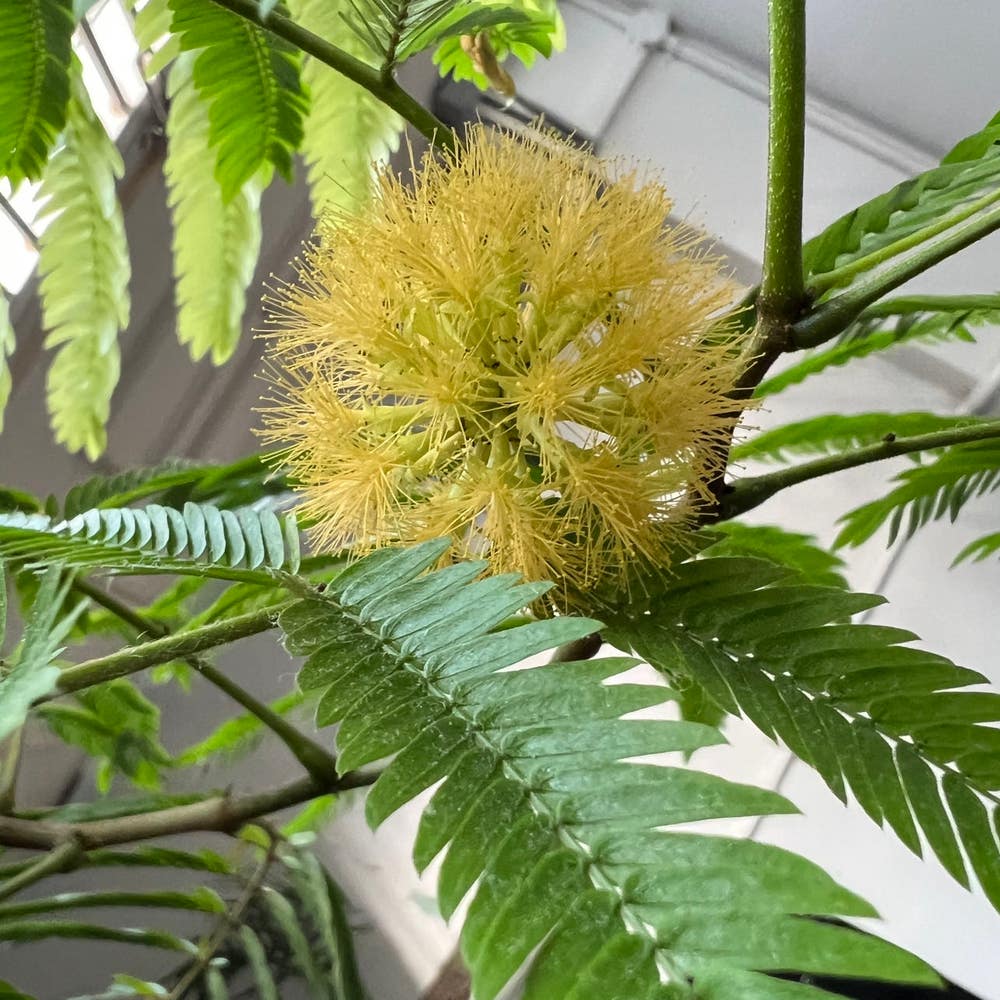
Top 4 Tips for Choosing Siris Tree Soil
Albizia amara
By the Greg Editorial Team
Nov 23, 2024•5 min read
This article was created with the help of AI so we can cover more plants for you. May contain errors. See one? Report it here.
- 🌱 Choose sandy loam with 20-30% organic matter for healthy Siris tree growth.
- 🧪 Regular soil testing prevents issues like root rot and promotes optimal health.
- 🌿 Adjust soil care seasonally to enhance your Siris tree's growth and vitality.
Soil Requirements
Ideal Soil Composition 🌱
Choosing the right soil is crucial for the health of your Siris tree. Well-draining soil is essential to prevent root rot and promote healthy growth.
For optimal results, aim for sandy loam or loamy soil that offers good aeration. Additionally, ensure that organic matter makes up 20-30% of the soil mix to enhance fertility and moisture retention.
Identifying Unhealthy Soil 🕵️♂️
Signs of Unhealthy Soil
Recognizing unhealthy soil is the first step in restoring its vitality. Look out for moldy soil, which may present as white or green mold on the surface, indicating overwatering or poor aeration.
Soil compaction is another red flag; hard, dense soil restricts root growth and water infiltration. Foul odors can also signal anaerobic conditions, suggesting potential root rot.
How to Test Soil Health 🔬
Testing soil health is straightforward and can be done with a few simple methods. Start with a visual inspection—check for color, texture, and any signs of pests or mold.
Next, perform a soil moisture test by squeezing a handful of soil; it should crumble easily rather than forming a ball. Regular pH testing is also essential to ensure the soil remains within the ideal range for your Siris tree.
Solutions for Unhealthy Soil Conditions 🛠️
If you discover unhealthy soil conditions, there are effective remedies to consider. For moldy soil, allow it to dry out, improve air circulation, and use fungicides if necessary.
To address compaction, aerate the soil using a garden fork or aerator tool. In cases where conditions are severely compromised, repotting with fresh soil may be the best solution.
By understanding these soil requirements and how to identify and remedy unhealthy conditions, you can create a thriving environment for your Siris tree. This foundation will set the stage for the next section on creating a homemade soil mix, ensuring your tree has the best possible start.
Creating a Homemade Soil Mix
Step-by-Step Guide to Making a Soil Mix 🌱
Creating the perfect soil mix for your Siris tree is essential for its growth. Start by gathering your materials: sandy loam, compost, perlite, and organic matter.
Next, combine the ingredients in the following ratios: 50% sandy loam, 30% compost, and 20% perlite. This blend ensures good drainage while providing essential nutrients.
To fine-tune your soil's moisture retention, adjust the ratios as needed. If your tree requires more moisture, add additional compost. Conversely, if drainage is a concern, increase the amount of perlite.
Recommended Ingredients for the Ideal Soil Mix 🥬
Choosing the right components is crucial for a successful soil mix.
- Sandy Loam: This ingredient provides excellent structure and drainage, allowing roots to breathe.
- Compost: It enhances nutrient content and encourages beneficial microbial activity, vital for plant health.
- Perlite: This lightweight material improves aeration and drainage, preventing waterlogging.
Tips for Adjusting Soil Texture and Nutrients ⚖️
Understanding your soil's texture can help you make necessary adjustments.
To test soil texture, use the jar test, which helps determine the ratios of sand, silt, and clay in your mix.
If you find your soil lacking in nutrients, consider incorporating slow-release fertilizers or organic amendments. These additions can significantly boost your soil's fertility, ensuring your Siris tree thrives.
With these steps, you’ll create a homemade soil mix that supports healthy growth and vibrant foliage. Now that you have a solid foundation, let's explore soil amendments and enhancements to further enrich your mix.
Soil Amendments and Enhancements
🌱 Common Soil Amendments
To create a thriving environment for your Siris tree, consider incorporating essential soil amendments. Organic matter, such as compost, well-rotted manure, or leaf mold, significantly boosts soil fertility.
Gypsum is another valuable amendment, especially for clay-heavy soils. It enhances soil structure and drainage, allowing roots to breathe and absorb nutrients more effectively.
🥬 How to Incorporate Organic Matter
Incorporating organic matter into your soil is straightforward. Use layering techniques to mix it into the top 6-12 inches of soil, ensuring even distribution.
Timing is crucial for optimal results. The best periods to add organic matter are early spring or fall, just before planting, to maximize its benefits.
🍂 Benefits of Using Mulch
Mulch is a game-changer for maintaining healthy soil. It helps retain moisture by reducing evaporation, keeping your soil consistently moist and ready for growth.
Additionally, mulch plays a vital role in temperature regulation. It helps maintain stable soil temperatures, which is essential for root development.
Lastly, mulch acts as a natural weed suppressant. By minimizing competition for nutrients and water, it allows your Siris tree to thrive without unnecessary stress.
Incorporating these soil amendments and enhancements will set a solid foundation for your Siris tree's growth. Next, let’s explore how seasonal changes affect soil needs and care practices.
Seasonal Soil Considerations
How Soil Needs Change with the Seasons 🌱
Understanding how soil requirements shift throughout the year is crucial for maintaining healthy plants.
In spring, the focus should be on aerating the soil and replenishing nutrients to kickstart growth.
During summer, keep a close eye on moisture levels and drainage, as increased evaporation can dry out your soil quickly.
As fall approaches, it's time to prepare your soil for winter by adding organic matter and applying mulch to protect it from harsh conditions.
Preparing Soil for Seasonal Growth Cycles 🌼
Before planting in any season, conduct pre-planting soil checks.
This ensures that pH and nutrient levels are optimal for your plants' needs.
Additionally, consider seasonal amendments to adjust soil composition based on the growth patterns of your plants.
For instance, adding compost in the spring can boost nutrient availability, while mulching in the fall can enhance soil structure.
Adjusting Soil Care Practices Based on Weather Conditions ☔️
Weather can dramatically impact your soil care practices.
During rainy seasons, it's essential to implement drainage solutions to prevent waterlogging, which can suffocate roots.
Conversely, in dry seasons, increasing organic matter can help retain moisture and reduce the frequency of watering.
By adapting your soil care to seasonal changes, you can create a thriving environment for your plants year-round.
With these seasonal considerations in mind, let’s explore how to create a homemade soil mix that meets your plants' specific needs.
⚠️ Safety First
This content is for general information and may contain errors, omissions, or outdated details. It is not medical, veterinary advice, or an endorsement of therapeutic claims.
Always consult a qualified healthcare professional before using any plant as food, medicine, or supplement.
Never eat any plant (or feed one to pets) without confirming its identity with at least two trusted sources.
If you suspect poisoning, call Poison Control (800) 222-1222, the Pet Poison Helpline (800) 213-6680, or your local emergency service immediately.
Spotted an error? Please report it here.
Nurture your Siris tree with optimal soil care 🌱 by using Greg's tailored tips and reminders to create the perfect mix for thriving growth!