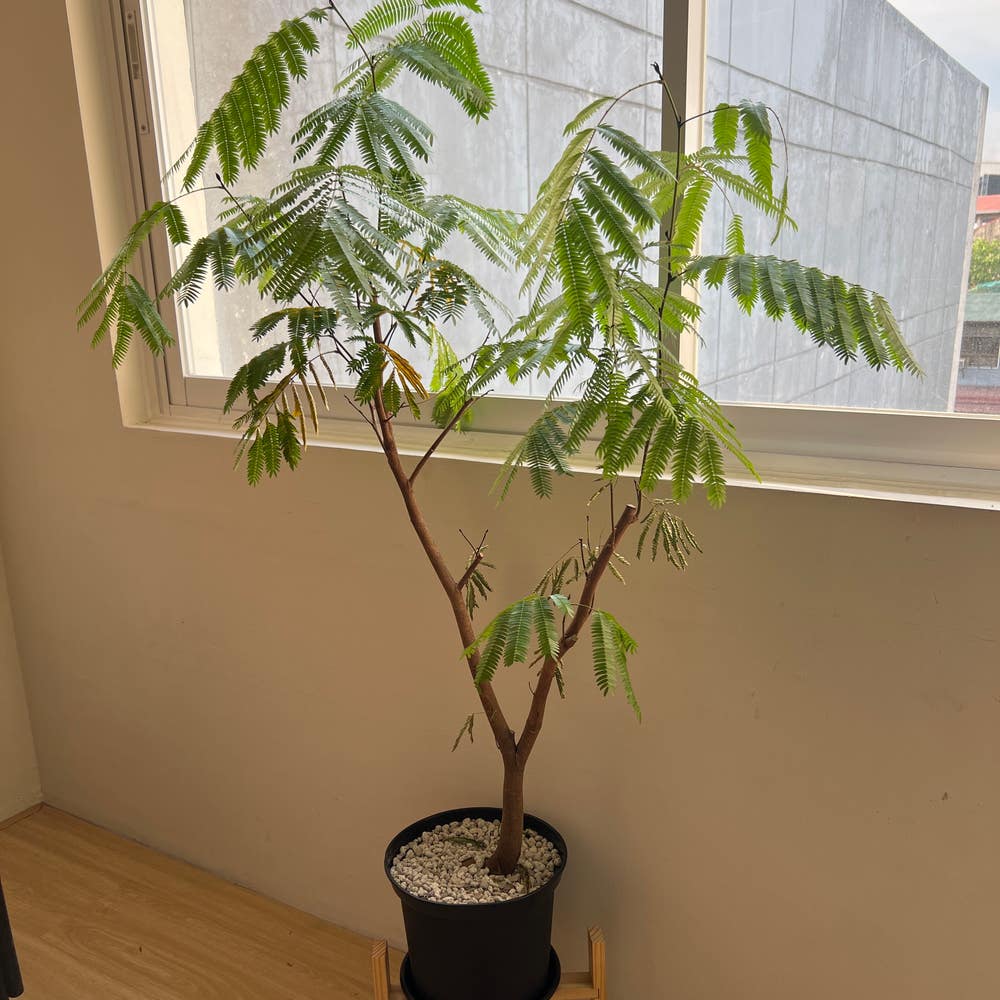
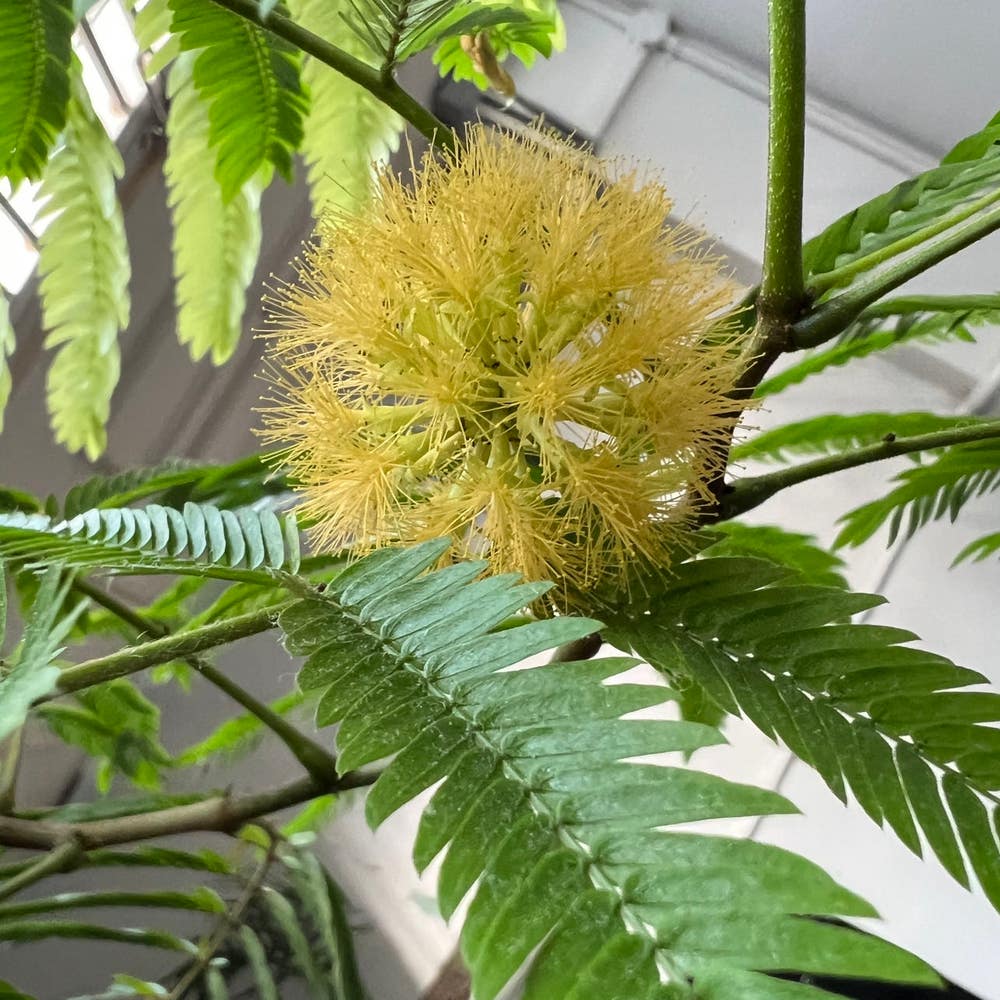
🌳 Fertilizing Siris Tree to Double Its Growth
Albizia amara
By the Greg Editorial Team
Nov 23, 2024•5 min read
This article was created with the help of AI so we can cover more plants for you. May contain errors. See one? Report it here.
- 🌱 Organic fertilizers like compost boost soil health for thriving Siris trees.
- ⚠️ Over-fertilization can harm trees; monitor for symptoms like leaf burn.
- ⏰ Fertilize every 6-8 weeks during growing season for optimal growth.
Types of Fertilizers Suitable for Siris Tree
🌱 Organic Fertilizers
Organic fertilizers are a fantastic choice for nurturing your Siris tree. Options like compost, well-rotted manure, and bone meal not only enrich the soil but also promote healthy microbial activity.
These fertilizers release nutrients slowly, ensuring a steady supply that supports long-term growth. By improving soil health, they create a thriving environment for your tree's roots.
⚗️ Synthetic Fertilizers
On the other hand, synthetic fertilizers can provide a quick nutrient boost when your Siris tree needs it most. Common formulations include NPK ratios such as 10-10-10 and 20-20-20, which deliver essential nutrients rapidly.
These fertilizers are particularly useful during critical growth phases, allowing for immediate nutrient availability. However, they should be used judiciously to avoid potential over-fertilization.
⏳ Slow-release vs. Quick-release Fertilizers
When choosing between slow-release and quick-release fertilizers, consider your tree's specific needs. Slow-release fertilizers are ideal for sustained growth, gradually feeding your tree over time.
Conversely, quick-release fertilizers are perfect for addressing immediate nutrient deficiencies. Knowing when to use each type can significantly impact your Siris tree's health and growth trajectory.
With a solid understanding of fertilizer types, you're well on your way to optimizing your Siris tree's growth. Next, let’s explore the timing and frequency of fertilization to maximize those benefits.
Timing and Frequency of Fertilization
Frequency of Fertilization Throughout the Year 🌱
To keep your Siris tree thriving, fertilize every 6-8 weeks during the growing season. This regular feeding schedule helps ensure your tree receives the nutrients it needs to flourish.
Adjustments may be necessary based on the tree's growth stage and overall health. For instance, younger trees may require more frequent applications as they establish their root systems.
Signs Indicating When to Fertilize 👀
Watch for yellowing leaves, which can signal a nutrient deficiency. If you notice stunted growth or poor blooming, it’s a clear indication that your tree needs additional nutrients to support its development.
Being attentive to these signs will help you maintain a healthy Siris tree. Regular monitoring ensures that you can respond promptly to its nutritional needs, promoting robust growth and vibrant blooms.
Next, we’ll explore the recommended fertilizer amounts and application methods to maximize your tree's growth potential.
Dosage and Application Methods
Recommended Fertilizer Amounts for Different Growth Stages 🌱
When it comes to fertilizing your Siris tree, the amount you use will vary based on its age. For young trees aged 1 to 3 years, applying 1/4 to 1/2 cup of fertilizer per application is ideal.
For mature trees, those over 3 years old, you should increase the dosage to 1 to 2 cups. This adjustment depends on the tree's size and health, ensuring it receives the nutrients it needs to thrive.
Application Methods 💧
There are several effective methods for applying fertilizer to your Siris tree. Granular application involves spreading the fertilizer around the base of the tree, allowing it to gradually seep into the soil.
Liquid fertilizers can also be used, but it’s crucial to follow the recommended dilution rates. This method allows for quick absorption by the roots. Additionally, consider foliar feeding, which involves spraying a diluted nutrient solution directly onto the leaves for rapid nutrient uptake.
How to Properly Apply Fertilizer to Avoid Root Burn 🔥
To prevent root burn, maintain a safe distance from the trunk when applying fertilizer. A good rule of thumb is to keep the fertilizer at least a few inches away from the base.
After application, watering the area thoroughly helps ensure that the nutrients are absorbed effectively. Timing is also essential; avoid fertilizing during extreme heat to protect your tree from stress.
With these dosage and application methods, your Siris tree will be well on its way to robust growth. Next, let’s explore how to avoid over-fertilization and its potential pitfalls.
Avoiding Over-Fertilization
🌿 Symptoms of Over-Fertilization in Siris Tree
Over-fertilization can be detrimental to your Siris tree. One of the most noticeable symptoms is leaf burn, where the edges and tips of leaves turn brown, signaling stress.
Another sign is excessive leaf growth coupled with poor flowering. If your tree is lush but not producing blooms, it may be getting too many nutrients. Additionally, watch for root damage, which can manifest as wilting even when the soil is adequately watered.
⚠️ How to Correct Over-Fertilization Issues
If you suspect over-fertilization, it's crucial to act quickly. Start by flushing the soil to leach out excess nutrients. This involves thoroughly watering the area to help wash away the buildup.
Next, adjust your future fertilization practices. Consider reducing both the frequency and dosage of fertilizer to prevent recurrence. By being mindful of these adjustments, you can help your Siris tree thrive without the risk of over-fertilization.
Understanding these signs and corrective measures will ensure your Siris tree remains healthy and vibrant. Now, let's explore the specific nutrient requirements that will support optimal growth.
Nutrient Requirements Specific to Siris Tree
Key Nutrients Needed for Optimal Growth 🌱
The Siris tree thrives on a balanced diet of essential nutrients.
- Nitrogen is crucial for leaf and stem development, promoting lush, green foliage.
- Phosphorus plays a vital role in root growth and flowering, ensuring the tree establishes a strong foundation.
- Potassium enhances overall plant health and boosts disease resistance, making the tree more resilient.
Micronutrients and Their Importance for Blooming 🌸
While macronutrients are essential, micronutrients shouldn't be overlooked.
- Iron, manganese, and zinc are key players in the blooming process.
- Deficiencies in these micronutrients can lead to poor flowering and overall health issues, stunting the tree's growth and vibrancy.
Understanding these nutrient requirements is essential for nurturing a thriving Siris tree. With the right balance, you can ensure your tree flourishes beautifully.
As you consider fertilization strategies, keep these nutrient needs in mind to support robust growth and stunning blooms.
⚠️ Safety First
This content is for general information and may contain errors, omissions, or outdated details. It is not medical, veterinary advice, or an endorsement of therapeutic claims.
Always consult a qualified healthcare professional before using any plant as food, medicine, or supplement.
Never eat any plant (or feed one to pets) without confirming its identity with at least two trusted sources.
If you suspect poisoning, call Poison Control (800) 222-1222, the Pet Poison Helpline (800) 213-6680, or your local emergency service immediately.
Spotted an error? Please report it here.
Boost your Siris tree's growth like never before 🌱 by fertilizing every 6-8 weeks and let Greg provide tailored reminders and expert tips to keep your tree thriving!