🌳 Why Siris Tree Is Not an Annual
Albizia amara
By the Greg Editorial Team
Nov 23, 2024•6 min read
This article was created with the help of AI so we can cover more plants for you. May contain errors. See one? Report it here.
- 🌳 Siris Tree is a perennial, thriving for years unlike short-lived annuals.
- 🌍 Adaptable to various climates, it ensures steady seed production over multiple years.
- 🌿 Enhances biodiversity by attracting pollinators and improving soil health in gardens.
Siris Tree Characteristics
🌱 Genetic Traits
The Siris Tree, scientifically known as Albizia lebbeck, belongs to the Fabaceae family. Its genetic adaptations enable it to thrive in various environments, showcasing traits that promote long-term growth and resilience.
🌳 Physiological Traits
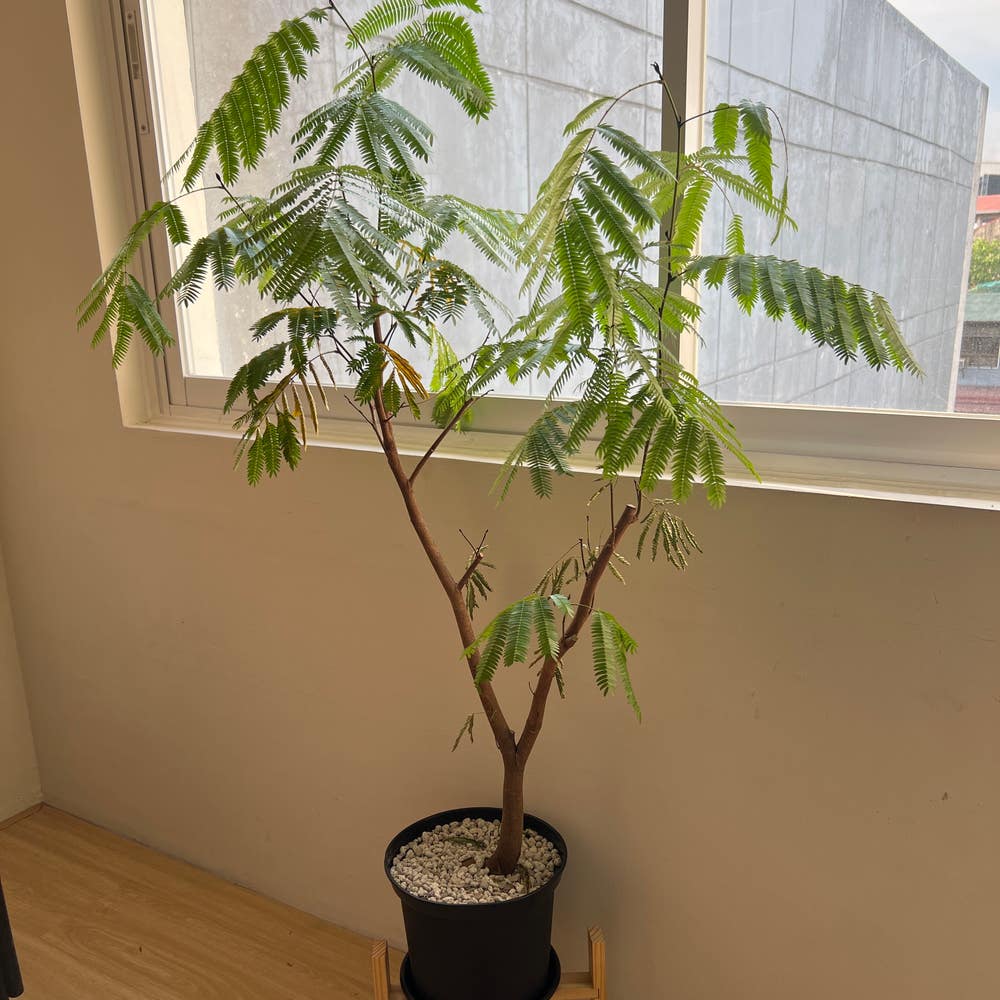
This tree is recognized for its fast growth and broad canopy, making it a striking addition to any landscape. Its feathery leaves not only provide ample shade but also play a crucial role in photosynthesis, enhancing its vitality.
⏳ Long-Term Lifecycle
One of the most remarkable aspects of the Siris Tree is its lifespan, which can extend for several decades—characteristic of perennials. Its growth cycles are seasonal, featuring distinct phases of dormancy and active growth that contribute to its longevity and robustness.
The Siris Tree's unique characteristics make it a standout choice for gardeners seeking a long-lasting, resilient tree. Understanding these traits lays the groundwork for appreciating its role in landscapes and ecosystems. Next, we will explore how the Siris Tree's lifecycle compares to that of true annuals.
Lifecycle Comparison
🌱 Differences from True Annuals
The Siris Tree, or Albizia lebbeck, boasts a multi-year lifecycle that starkly contrasts with the single-season lifecycle of true annuals. While annuals complete their life cycle in just one growing season, the Siris Tree thrives over decades, showcasing its resilience and adaptability.
This longevity allows the Siris Tree to develop robust growth and intricate reproductive strategies. Unlike annuals, which focus on rapid growth and quick reproduction, the Siris Tree invests in sustained growth and periodic flowering, ensuring its survival and ecological contribution over time.
📈 Growth Patterns
Siris Trees exhibit impressive seasonal growth, flourishing across multiple years. This ability to thrive through various seasons sets them apart from annuals, which must complete their life cycle quickly before the end of the growing season.
In their early years, Siris Trees experience rapid growth, establishing a strong foundation. In contrast, annuals may grow quickly but only for a short period, leading to a fleeting presence in the garden.
🌼 Reproductive Strategies
The flowering cycles of the Siris Tree are periodic, allowing for a more strategic approach to reproduction. This contrasts sharply with some annuals that flower continuously throughout their short lives, maximizing seed production in a limited timeframe.
Siris Trees produce seeds over several years, ensuring a steady supply for future generations. This multi-year seed production strategy not only enhances their survival but also enriches the surrounding ecosystem, unlike annuals that produce seeds just once per season.
Understanding these lifecycle differences is crucial for gardeners. It highlights the unique benefits of incorporating Siris Trees into landscapes, paving the way for a deeper appreciation of their role in gardening and ecology.
Implications of Perennial Nature
Effects on Growth and Flowering 🌼
The Siris Tree offers remarkable long-term growth benefits. Over the years, it can achieve a larger size, providing ample shade and aesthetic appeal.
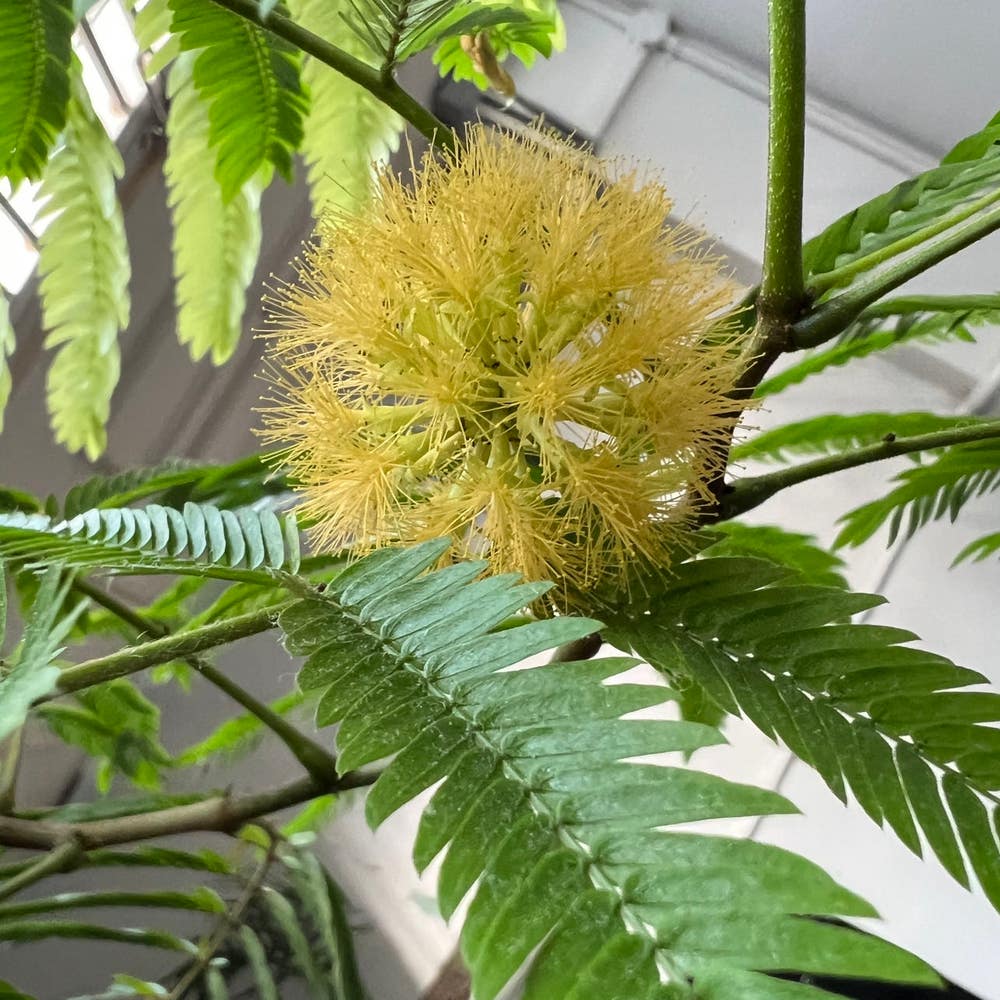
Seasonal flowering is another key characteristic. This tree contributes to biodiversity in gardens, attracting various pollinators and enhancing the overall ecosystem.
Seed Production Differences 🌱
Siris Trees have unique seed production cycles. Unlike annuals, which produce seeds in a single season, Siris Trees generate seeds over several years, ensuring a steady supply.
This difference significantly impacts garden planning. Gardeners must consider the long-term seed production of Siris Trees when designing their landscapes.
Advantages in Gardening 🌳
Incorporating Siris Trees into garden design offers stability. Their long-term presence creates a reliable backdrop for other plants, enhancing the overall landscape.
Additionally, Siris Trees contribute to soil health and provide habitat for wildlife. Their roots help prevent soil erosion, while their foliage offers shelter for various creatures, making them a valuable addition to any garden.
As we explore the regional variations and misconceptions surrounding the Siris Tree, it becomes clear how understanding its perennial nature can enhance our gardening practices.
Regional Variations and Misconceptions
🌍 Conditions Leading to Misclassification
Misclassifying the Siris Tree often stems from environmental factors. Soil type, climate, and care practices can significantly influence how this tree is perceived in different regions.
Many gardeners mistakenly treat the Siris Tree as an annual due to its rapid growth in the early years. This misconception arises from observing its seasonal changes without recognizing its long-term potential.
📈 Regional Growth Patterns
The Siris Tree is remarkably adaptable, thriving in various tropical and subtropical conditions. Its resilience allows it to flourish in diverse environments, making it a versatile choice for many gardens.
Regional differences can affect both growth and flowering patterns. In warmer climates, the Siris Tree may exhibit more vigorous growth and extended flowering periods compared to cooler regions, showcasing its adaptability to local conditions.
Understanding these variations can help gardeners appreciate the true nature of the Siris Tree and its role in their landscapes. As we explore gardening with the Siris Tree, we’ll uncover practical tips for incorporating this perennial beauty into your garden design.
Gardening with Siris Tree
Tips for Incorporating in Garden Design 🌳
When designing your garden, consider the Siris Tree's broad canopy. Its ability to provide ample shade makes it an excellent choice for creating cool, inviting spaces.
Pair it with plants that thrive in partial shade, such as ferns or hostas. These companions will flourish under the tree's protective cover, enhancing the overall aesthetic of your garden.
Strategies for Maximizing Longevity 🌱
To ensure your Siris Tree thrives for years, focus on proper care practices. Regular watering, especially during dry spells, is crucial for its growth and health.
Fertilization can boost its vigor, while strategic pruning helps maintain its shape and encourages robust growth. Adjust your care routine based on seasonal changes to align with the tree's natural growth cycles.
Management Practices 🛠️
Regular maintenance is key to a healthy Siris Tree. Monitor its health and growth consistently to catch any issues early.
Implement pest and disease management strategies to keep your tree thriving. This proactive approach will help you enjoy the beauty and benefits of your Siris Tree for many seasons to come.
Incorporating the Siris Tree into your garden not only enhances its beauty but also contributes to a sustainable ecosystem. As you plan your garden, consider how this resilient tree can play a vital role in your landscape.
⚠️ Safety First
This content is for general information and may contain errors, omissions, or outdated details. It is not medical, veterinary advice, or an endorsement of therapeutic claims.
Always consult a qualified healthcare professional before using any plant as food, medicine, or supplement.
Never eat any plant (or feed one to pets) without confirming its identity with at least two trusted sources.
If you suspect poisoning, call Poison Control (800) 222-1222, the Pet Poison Helpline (800) 213-6680, or your local emergency service immediately.
Spotted an error? Please report it here.
Discover the resilient beauty of the Siris Tree 🌳 and let Greg guide you with tailored care tips to ensure it flourishes in your garden for years to come!