Step-by-Step Guide to Understanding Siris Tree Lifecycle
Albizia amara
By the Greg Editorial Team
Nov 23, 2024•4 min read
This article was created with the help of AI so we can cover more plants for you. May contain errors. See one? Report it here.
- 🌱 Siris tree lifecycle starts with germination, taking 7-14 days under optimal conditions.
- 🌳 Mature Siris trees enhance biodiversity, providing shade and habitat for wildlife.
- ⏳ Expect full height in 5-10 years, with a lifespan of 20-30 years.
Stages of Growth
🌱 Germination Stage
Germination is the first crucial step in the Siris tree lifecycle. Typically, this period lasts 7-14 days under optimal conditions, with temperatures ranging from 20°C to 30°C (68°F to 86°F).
Maintaining consistent soil moisture is essential; the soil should be moist but not waterlogged. Factors such as seed quality—including viability and age—play a significant role in successful germination. Additionally, pre-treatment methods like scarification or soaking seeds can enhance germination rates.
🌿 Seedling Stage
Once germination is successful, the seedlings emerge. These young plants exhibit small, tender leaves and a developing root system, showcasing their rapid initial growth.
During this stage, which lasts approximately 4-6 weeks, proper care is vital to ensure the seedlings establish a strong foundation before transplanting.
🌳 Vegetative Growth Stage
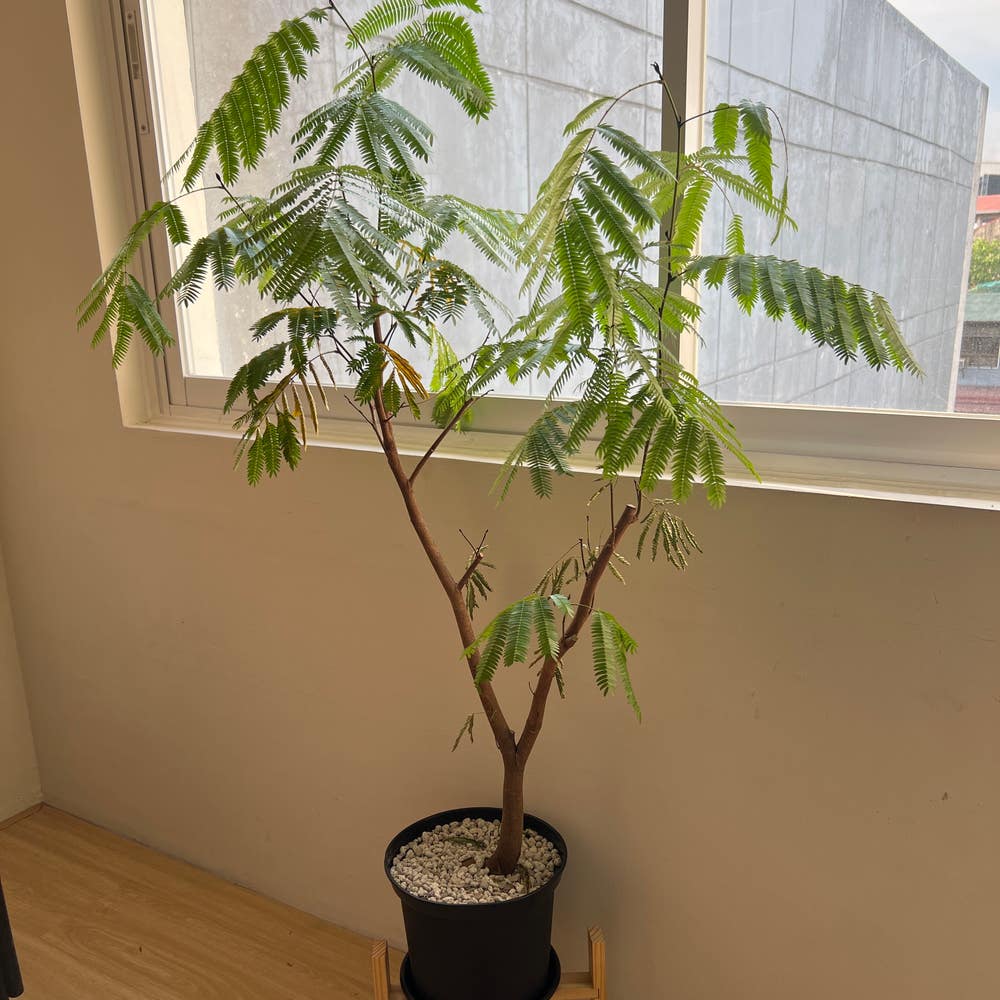
The vegetative growth stage is where the Siris tree truly begins to flourish. This phase is characterized by the development of a robust trunk and extensive foliage, which are essential for the tree's overall health.
Nitrogen fixation during this stage is crucial as it enhances soil fertility and supports surrounding plant life. This growth phase can last from 6 months to several years, depending on environmental conditions.
🌼 Flowering Stage
After a period of vigorous growth, the Siris tree enters the flowering stage. Typically, this occurs 2-3 years after planting, influenced by growth conditions.
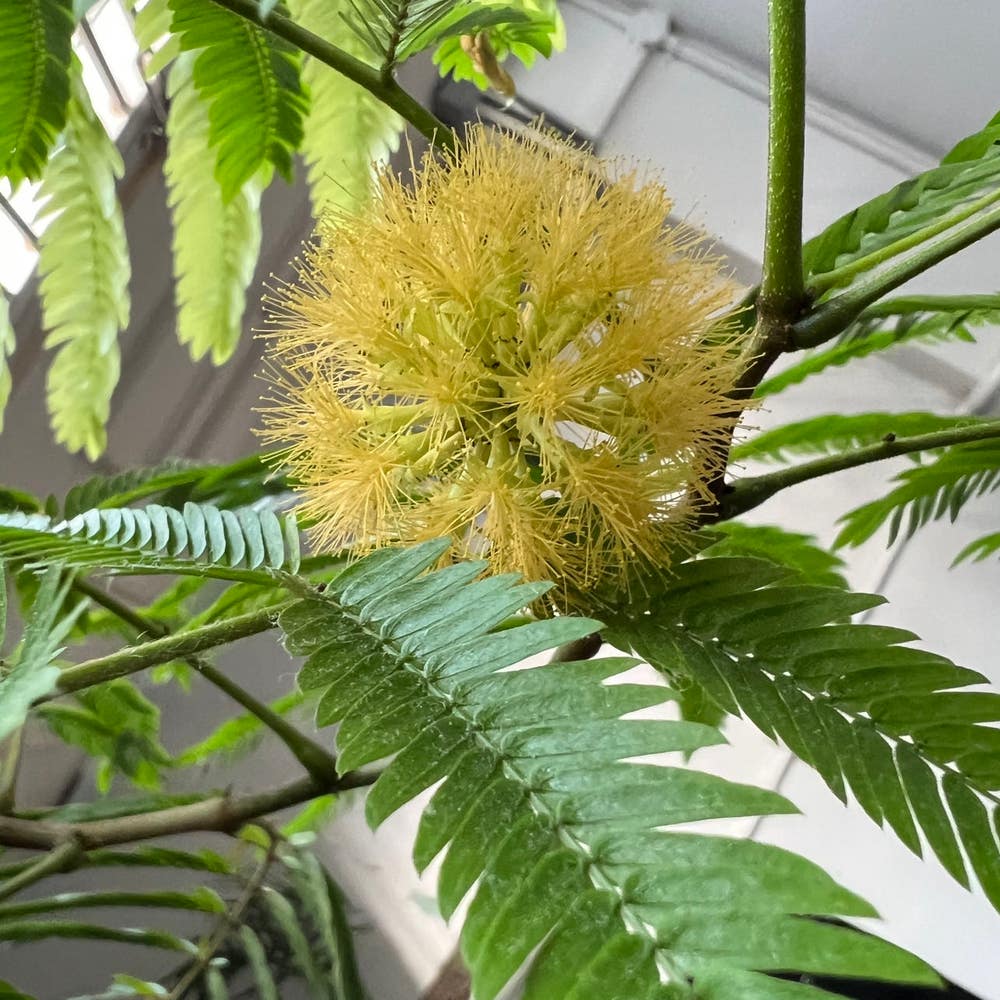
The flowers are fragrant and yellowish-white, attracting various pollinators, which are essential for the next phase of the lifecycle.
🌱 Seed Production Stage
Following successful pollination and flowering, the Siris tree begins the seed production stage. This process involves the formation of seed pods, which typically mature within 6-8 months after flowering.
Understanding these stages is essential for anyone looking to cultivate a Siris tree successfully. Each phase builds upon the last, leading to a thriving, mature tree ready to contribute to its ecosystem.
Growth Rate and Maturation
Timeframe for Maturity 🌱
The Siris tree typically takes between 5 to 10 years to reach its full height and canopy spread. This timeframe can vary based on environmental conditions, care, and genetics.
During the first few years, you can expect significant growth, with the average maturation time being around 5 to 7 years for the tree to achieve notable height and reproductive capability. This is when the tree begins to establish itself as a vital part of its ecosystem, contributing to soil health and providing habitat for wildlife.
Understanding this growth rate is crucial for anyone looking to cultivate Siris trees. It sets realistic expectations for care and maintenance while highlighting the tree's potential benefits over time.
As the Siris tree matures, it not only enhances its physical presence but also plays a significant role in the surrounding environment. This growth phase is a testament to the resilience and adaptability of nature, paving the way for the next stages of the tree's lifecycle.
Next, we will explore the lifespan of the Siris tree, delving into its longevity and the remarkable changes it undergoes throughout its life.
Lifespan of Siris Tree
Overall Lifespan and Longevity 🌳
The Siris tree typically enjoys a lifespan of 20 to 30 years when grown under optimal conditions. This longevity allows it to thrive and contribute significantly to its environment.
As the Siris tree matures, it undergoes notable transformations. You'll see a transition from a juvenile state to a robust, mature tree, characterized by an increase in trunk diameter and an expansive canopy that provides shade and habitat for various wildlife.
This growth not only enhances the tree's aesthetic appeal but also plays a crucial role in the ecosystem, supporting biodiversity and improving soil health.
Understanding the lifespan of the Siris tree helps us appreciate its value and the importance of nurturing these magnificent plants.
As we explore the next section, we will delve into the timeframe for maturity, shedding light on how long it takes for these trees to reach their full potential.
⚠️ Safety First
This content is for general information and may contain errors, omissions, or outdated details. It is not medical, veterinary advice, or an endorsement of therapeutic claims.
Always consult a qualified healthcare professional before using any plant as food, medicine, or supplement.
Never eat any plant (or feed one to pets) without confirming its identity with at least two trusted sources.
If you suspect poisoning, call Poison Control (800) 222-1222, the Pet Poison Helpline (800) 213-6680, or your local emergency service immediately.
Spotted an error? Please report it here.
Master the Siris tree lifecycle for a thriving garden 🌱 by using Greg's tailored care reminders and expert tips to support your tree from germination to maturity!