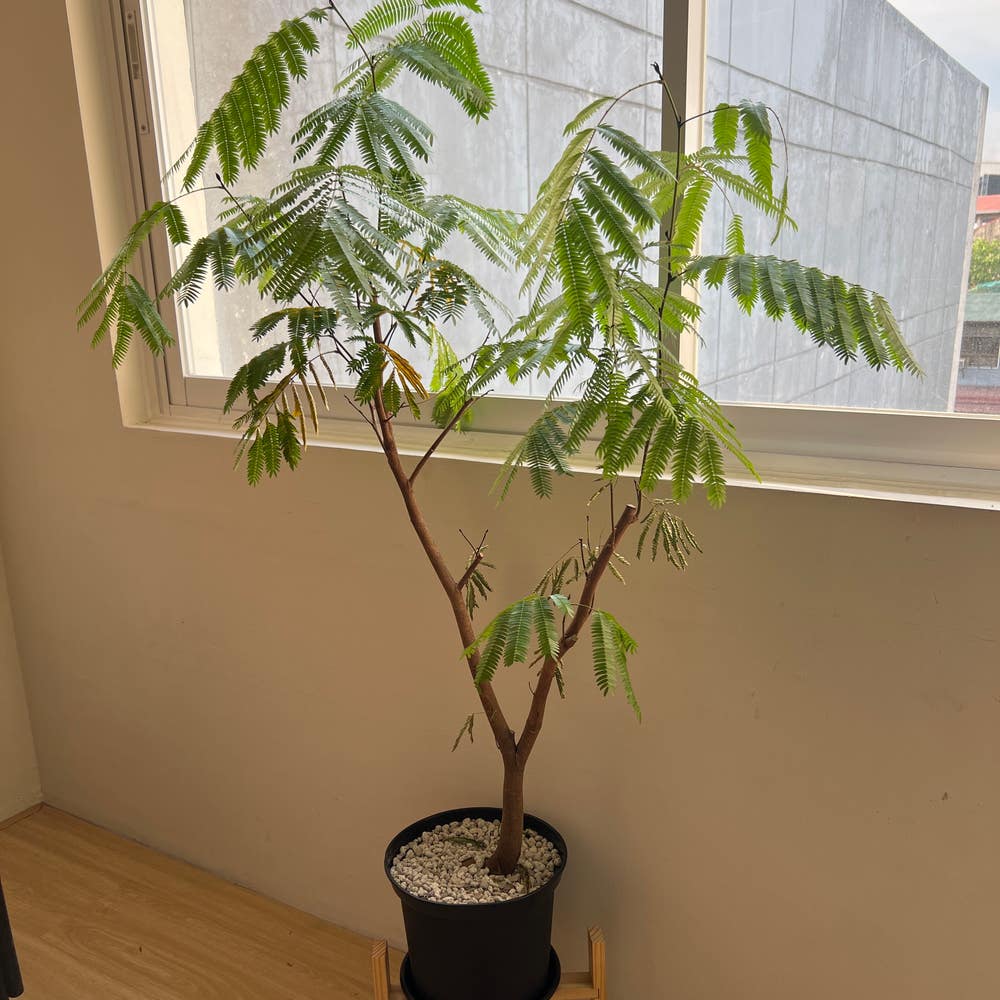
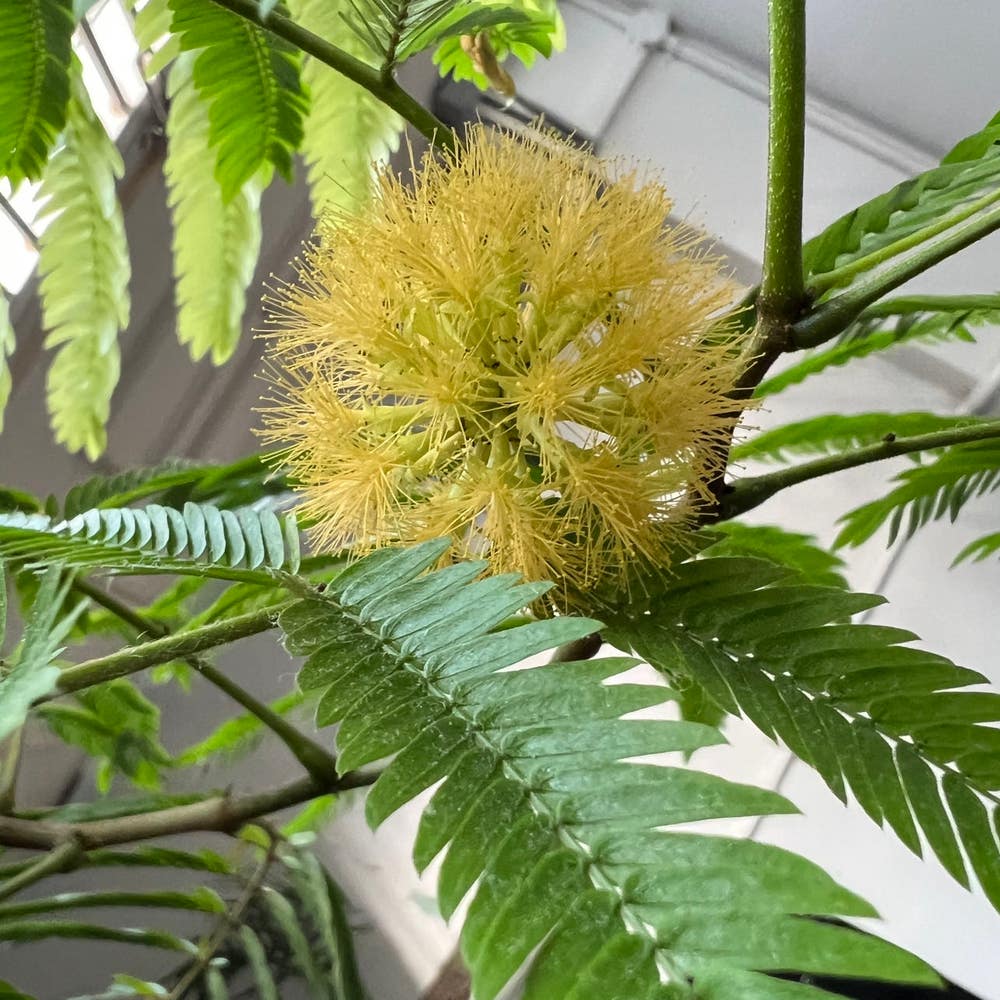
🌳 Good Temperature Range for Your Siris Tree
Albizia amara
By the Greg Editorial Team
Nov 23, 2024•2 min read
This article was created with the help of AI so we can cover more plants for you. May contain errors. See one? Report it here.
- 🌡️ Optimal temperature for Siris trees is 20°C to 35°C (68°F to 95°F).
- ❗️ Signs of stress include wilting leaves and yellowing foliage. Monitor closely!
- 🌳 Maintain moisture and shade to help Siris trees recover from temperature stress.
Temperature Needs
Optimal Temperature Range 🌡️
The ideal temperature range for your Siris tree is between 20°C to 35°C (68°F to 95°F). Within this range, you’ll see the best growth performance, as the tree thrives in these conditions.
While the Siris tree can tolerate temperatures up to 40°C (104°F), it may start to show signs of stress. Keeping your tree within the optimal range is key to its health and vitality.
Temperature Stress Signs ⚠️
Heat stress can manifest in several ways. Look for symptoms like wilting leaves, leaf scorch, and reduced growth.
On the flip side, cold stress presents differently. You might notice yellowing leaves, dieback of branches, and leaf drop, all indicating that your tree is struggling with the cold.
Long-term exposure to temperature stress can lead to stunted growth and reduced flowering potential. It's crucial to address these symptoms promptly to ensure your tree remains healthy.
Causes of Temperature Stress 🌪️
Temperature stress often arises from sudden fluctuations. Rapid changes can shock the plant, making it difficult for the Siris tree to adapt.
Prolonged exposure to extreme temperatures, whether hot or cold, can also take a toll. Additionally, poor soil conditions, such as inadequate drainage or nutrient deficiency, can compound the stress your tree experiences.
Recovery from Temperature Stress 🌱
If your Siris tree is showing signs of stress, immediate actions can help. Providing shade during heat stress and covering the tree during frost can protect it from further damage.
Long-term care is equally important. Adjusting your watering and fertilization practices will support recovery and promote healthy growth.
Regular monitoring is essential too. Keep an eye out for new growth and assess the overall health of your tree post-stress to ensure it’s bouncing back.
Brief Mention of Humidity 💧
Humidity plays an indirect role in temperature stress. Maintaining adequate moisture is crucial during temperature extremes, as it helps your Siris tree cope better with the challenges of heat and cold.
Understanding these temperature needs will empower you to care for your Siris tree effectively. Next, we’ll explore how to identify and manage temperature stress signs to keep your tree thriving.
⚠️ Safety First
This content is for general information and may contain errors, omissions, or outdated details. It is not medical, veterinary advice, or an endorsement of therapeutic claims.
Always consult a qualified healthcare professional before using any plant as food, medicine, or supplement.
Never eat any plant (or feed one to pets) without confirming its identity with at least two trusted sources.
If you suspect poisoning, call Poison Control (800) 222-1222, the Pet Poison Helpline (800) 213-6680, or your local emergency service immediately.
Spotted an error? Please report it here.
Keep your Siris tree thriving 🌱 by maintaining its ideal temperature range of 20°C to 35°C (68°F to 95°F), and let Greg guide you with tailored care tips to ensure it flourishes!