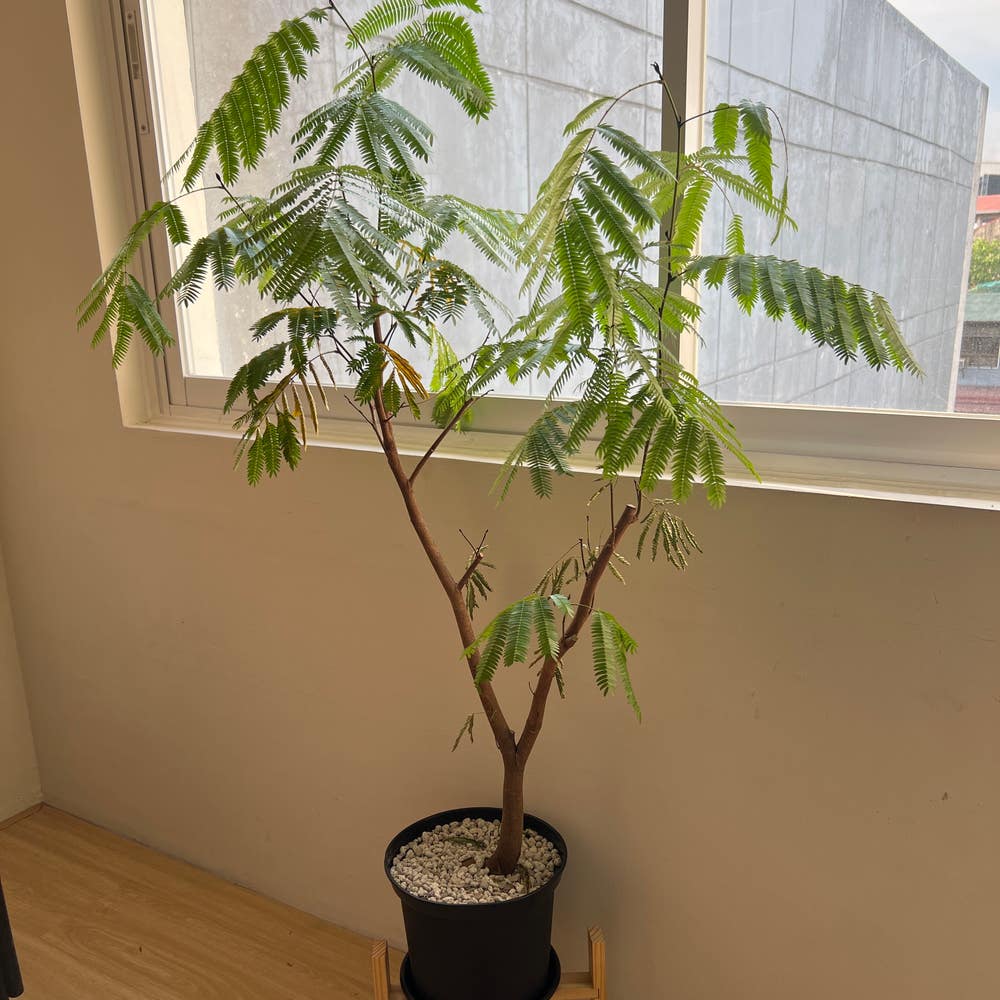
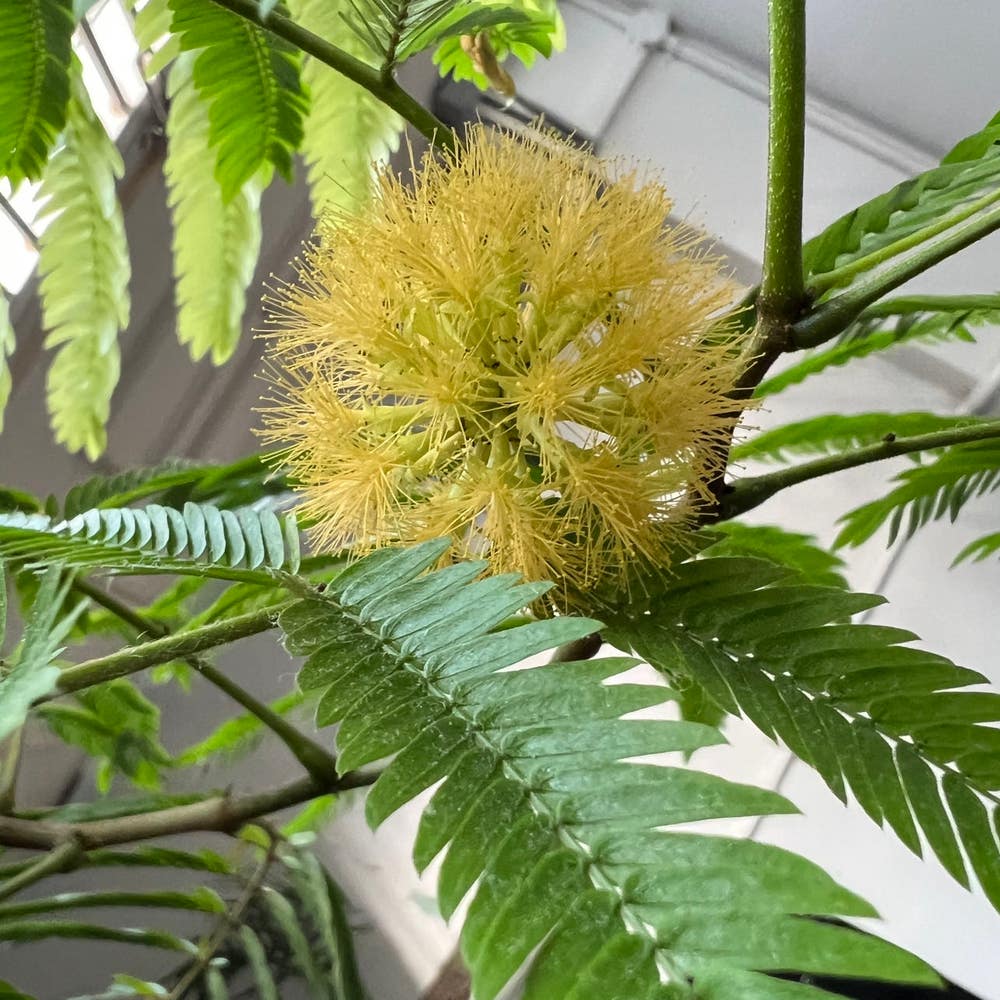
🌳 Top 4 Pot Features Your Siris Tree Will Love
Albizia amara
By the Greg Editorial Team
Nov 23, 2024•7 min read
This article was created with the help of AI so we can cover more plants for you. May contain errors. See one? Report it here.
- 🌱 Choose the right pot size for each growth stage to ensure healthy development.
- 💧 Drainage holes are essential to prevent root rot and promote nutrient absorption.
- 🏺 Pot material impacts growth; clay offers breathability while plastic retains moisture.
Pot Size for Different Growth Stages
Recommended Pot Sizes 🌱
Choosing the right pot size is crucial for your Siris Tree's health at every growth stage.
Seedlings: Start with a pot size of 4-6 inches in diameter and a depth of at least 6 inches. This allows for initial root development without overwhelming the young plant.
Young Trees: As your tree grows, transition to a pot size of 10-12 inches in diameter and a depth of 12-15 inches. This supports the expanding root system and encourages healthy growth.
Mature Trees: For fully grown Siris Trees, opt for a pot size of 16-20 inches in diameter and a depth of 18-24 inches. This depth accommodates deep root growth, ensuring stability and nourishment.
Impact of Container Size on Growth 📏
The size of the container directly impacts your tree's growth and overall health. An inadequate pot size can stunt growth, leading to a weak and unhealthy tree.
Timely repotting is essential as your Siris Tree matures. Failing to do so can result in root binding, where roots become cramped and hinder the tree's ability to absorb nutrients and water effectively.
By understanding and implementing the right pot sizes at each growth stage, you set your Siris Tree up for success. This knowledge will help you nurture a thriving, beautiful tree that flourishes in its environment.
Next, let’s explore the various pot materials and how they affect your Siris Tree's growth.
Pot Materials
🎨 Advantages and Disadvantages of Clay Pots
Clay pots are a popular choice for many plant enthusiasts, including those caring for Siris Trees.
Advantages
- Breathability: Clay pots allow for excellent air exchange, which is crucial for promoting healthy root growth.
- Aesthetic Appeal: Their natural look enhances both indoor and outdoor settings, making them visually appealing.
Disadvantages
- Weight: These pots are heavier than plastic options, making them less portable.
- Moisture Retention: Clay can dry out quickly, necessitating more frequent watering to keep your Siris Tree hydrated.
🥤 Advantages and Disadvantages of Plastic Pots
Plastic pots offer a different set of benefits and drawbacks that can influence your choice.
Advantages
- Lightweight: They are easy to move and reposition, which is great for those who like to rearrange their plants.
- Moisture Retention: Plastic holds water longer, reducing the frequency of watering.
Disadvantages
- Less Breathable: If drainage is inadequate, plastic pots can lead to root rot due to poor air circulation.
- Aesthetic Limitations: They may not blend as seamlessly with natural settings compared to clay pots.
🌱 Other Materials to Consider
If you're looking for alternatives, there are other materials worth exploring.
Ceramic Pots
- Pros: Ceramic pots are attractive and durable, adding a touch of elegance to your plant display.
- Cons: They tend to be heavier and can be more expensive than other options.
Biodegradable Options
- Pros: These eco-friendly pots are made from natural materials, making them a sustainable choice.
- Cons: They may not provide long-term support for growth, especially for a tree like the Siris.
Choosing the right pot material is essential for the health and growth of your Siris Tree. Each option has its unique benefits and challenges, so consider what aligns best with your gardening style and the needs of your tree.
As you weigh your options, remember that the right pot can significantly impact your tree's development and overall vitality. Next, let’s dive into the crucial topic of drainage considerations to ensure your Siris Tree thrives.
Drainage Considerations
🌧️ Importance of Drainage Holes for Siris Tree Health
Drainage holes are essential for preventing waterlogging, a condition that can severely harm your Siris Tree. Without these holes, excess water accumulates, leading to root rot and other health issues.
For optimal performance, ensure your pots have at least 2-3 drainage holes, each about 1/2 inch in diameter. This allows for adequate water flow and keeps the roots healthy.
🚰 Ensuring Proper Drainage in Pots
When selecting pots, prioritize those with built-in drainage features. Look for pots that are specifically designed for plants, as they often come with the necessary drainage holes.
Additionally, consider using a potting mix that promotes drainage. Mixing in materials like perlite or sand can significantly improve water flow and prevent soggy soil.
⚠️ Signs of Poor Drainage and Their Impact on Siris Tree
Be on the lookout for symptoms of poor drainage, such as yellowing leaves and wilting. These signs indicate that your Siris Tree is struggling and may be at risk of root rot.
Long-term effects of inadequate drainage can lead to stunted growth and, in severe cases, the death of your tree. Regularly check your pot's drainage to ensure your Siris Tree thrives.
As you focus on drainage, remember that the right potting practices will set the stage for successful growth. Next, let's explore the crucial topic of repotting guidelines to keep your Siris Tree flourishing.
Repotting Guidelines
🕒 When to Repot Your Siris Tree
Repotting your Siris Tree is essential for its health and growth. Look for signs like roots growing out of drainage holes, stunted growth, or soil depletion, which indicate it's time for a new pot.
It's generally recommended to repot every 1-2 years, depending on how quickly your tree is growing. Keeping an eye on these indicators will help ensure your tree thrives.
🪴 Choosing the Right Pot When Repotting
Selecting the right pot is crucial for your Siris Tree's continued growth. Consider factors such as size, material, and drainage features to create the best environment for your tree.
Make sure to choose a pot that accommodates the deep root system of the Siris Tree. This will help prevent root binding and promote healthy development.
📋 Step-by-Step Guide to Repotting a Siris Tree
Repotting may seem daunting, but following these steps can make the process smooth and straightforward:
- Prepare the new pot: Ensure it has drainage holes and is clean to prevent any contamination.
- Remove the tree from its current pot: Gently loosen the soil and roots to avoid damaging them.
- Inspect the root system: Trim any damaged or overly long roots to encourage healthy growth.
- Place the tree in the new pot: Position it at the same depth as before to maintain stability.
- Fill with fresh potting mix: Ensure no air pockets remain, as they can hinder root growth.
- Water thoroughly: Allow excess water to drain out, ensuring the roots are well-hydrated.
By following these steps, you'll set your Siris Tree up for success in its new home. This careful attention to repotting will lead to a healthier, more vibrant tree.
Next, let’s explore how the choice of pot can significantly impact your tree's growth and overall health.
Impact of Pot Choice on Growth
🌱 How Pot Choice Affects Root Development
The choice of pot material and size plays a crucial role in the health of your Siris Tree's roots. Different materials, such as clay and plastic, offer varying levels of breathability and moisture retention, which directly influence root health.
Clay pots, for instance, allow for better air exchange, promoting robust root systems. In contrast, plastic pots can trap moisture, potentially leading to root rot if not monitored closely.
📏 The Relationship Between Pot Size and Growth Rate
Pot size significantly impacts the growth rate of your Siris Tree. Larger pots provide ample space for roots to expand, which can accelerate growth and enhance overall vitality.
When roots have room to stretch and explore, the tree can absorb more nutrients and water, leading to a healthier plant. Conversely, smaller pots can restrict root development, stunting growth and affecting the tree's health.
🏺 Long-Term Effects of Pot Material on Siris Tree Health
The material of your pot can have lasting effects on your Siris Tree's health. For example, clay pots help regulate temperature and moisture levels, creating a stable environment for growth.
On the other hand, plastic pots may retain heat and moisture differently, which can impact the tree's vitality over time. Choosing the right pot material is essential for ensuring your Siris Tree thrives in the long run.
Understanding these factors will help you make informed decisions about pot selection, ultimately leading to a healthier and more vibrant Siris Tree. Next, let's explore the critical considerations for drainage to further support your tree's growth.
⚠️ Safety First
This content is for general information and may contain errors, omissions, or outdated details. It is not medical, veterinary advice, or an endorsement of therapeutic claims.
Always consult a qualified healthcare professional before using any plant as food, medicine, or supplement.
Never eat any plant (or feed one to pets) without confirming its identity with at least two trusted sources.
If you suspect poisoning, call Poison Control (800) 222-1222, the Pet Poison Helpline (800) 213-6680, or your local emergency service immediately.
Spotted an error? Please report it here.
Give your Siris Tree the perfect pot 🪴 for thriving growth with Greg's tailored reminders and expert tips on size and drainage to keep your tree healthy at every stage!