🌸 Ultimate Guide to Siris Tree Flowers
Albizia amara
By the Greg Editorial Team
Nov 23, 2024•4 min read
This article was created with the help of AI so we can cover more plants for you. May contain errors. See one? Report it here.
- 🌼 Siris Tree flowers attract pollinators with their fragrant yellowish-white blooms.
- 🌱 Optimal conditions for blooming include sunlight, water, and well-draining soil.
- 🌳 Siris Tree enriches soil by fixing nitrogen, benefiting surrounding plants and crops.
If Siris Tree Flowers
🌼 Flower Characteristics
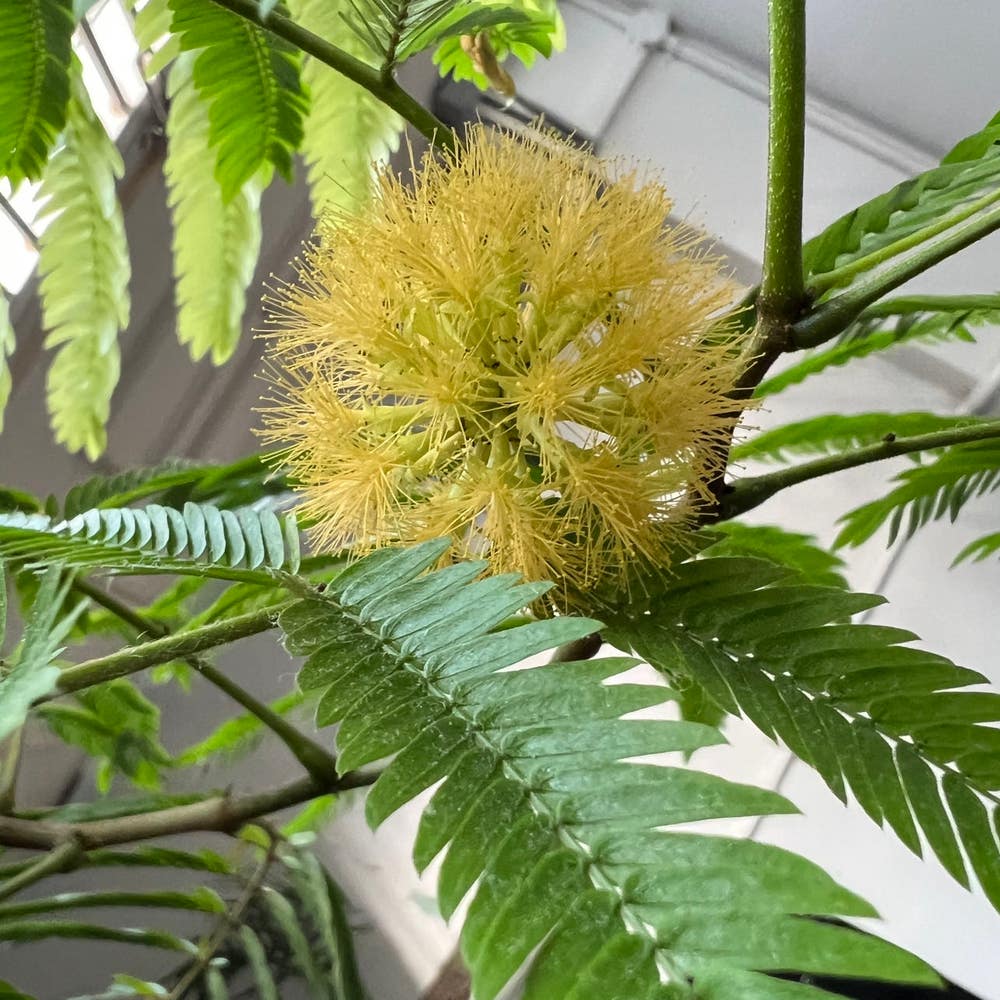
The Siris Tree boasts small, yellowish-white flowers that exude a delicate charm. These flowers typically grow in clusters, creating a visually appealing display, and they emit a subtle fragrance that attracts pollinators.
When it comes to pollination, the Siris Tree is primarily self-pollinating. However, it can also benefit from external pollination, enhancing its reproductive success.
🌸 Blooming Process
The blooming process of the Siris Tree unfolds in several stages, starting from bud formation to full bloom. Typically, the blooming season occurs during the warmer months, showcasing the tree's vibrant floral display.
From the initial bud formation to full bloom, the process usually takes a few weeks. Once the flowers open, they can last for several days, adding beauty to the landscape.
🌱 Encouraging Blooms
To encourage blooming, it's essential to provide optimal conditions. Ensure the tree receives adequate sunlight, water, and well-draining soil to promote healthy growth.
Fertilization practices can also enhance blooming. Using a balanced fertilizer during the growing season can significantly boost flower production.
🌿 Post-Flowering
After the flowering period, the Siris Tree continues to thrive. It often experiences robust growth, with leaves flourishing and new branches forming.
Importantly, the Siris Tree does not die after flowering. Instead, it enters a phase of continued growth and vitality, contributing to its longevity.
🐝 Pollination
Pollination methods for the Siris Tree include natural pollinators like bees and butterflies, which play a crucial role in the flowering process. If needed, manual pollination can also be employed to ensure successful reproduction.
Understanding these aspects of the Siris Tree's flowering can help you appreciate its beauty and ecological significance. Next, we will explore what happens if the Siris Tree doesn't flower, focusing on its ornamental features and reproductive strategies.
If Siris Tree Doesn't Flower
🌿 Primary Ornamental or Functional Features
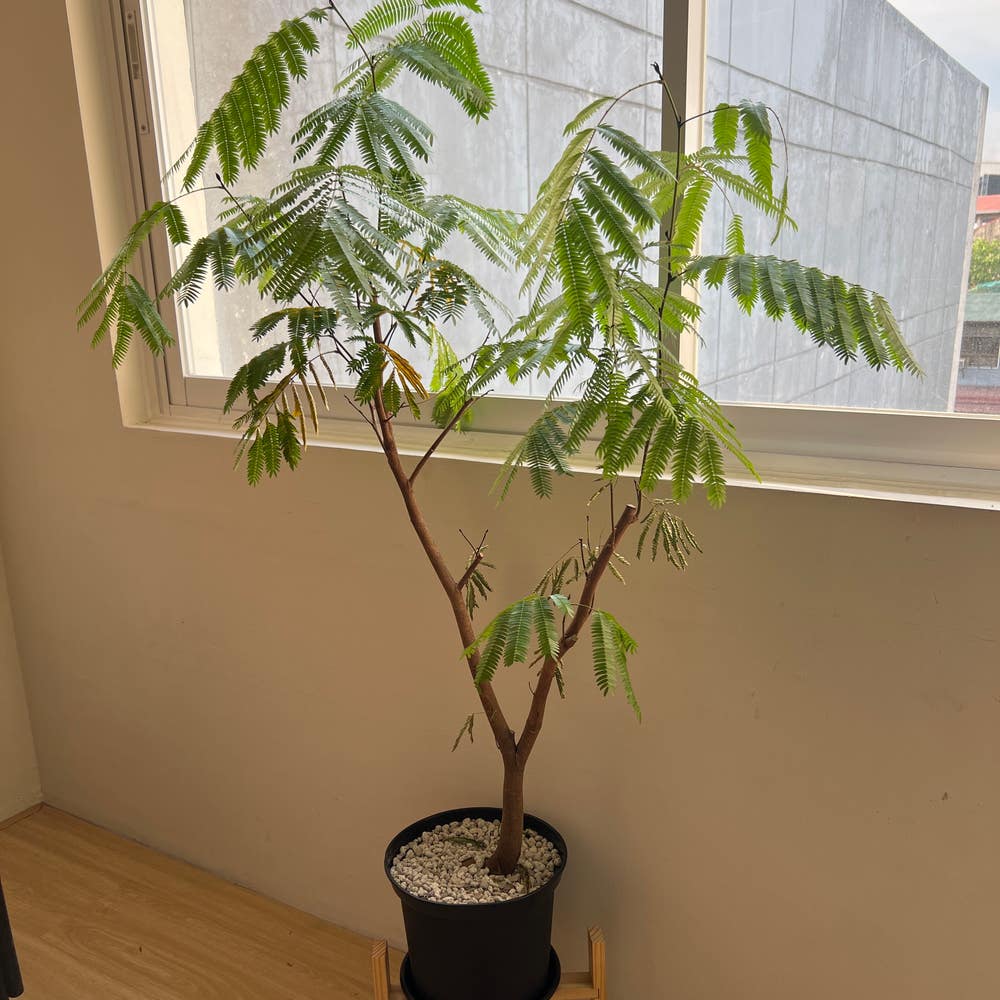
Even without its flowers, the Siris Tree boasts stunning fern-like foliage that captivates the eye. Its delicate leaves create a lush, green canopy, making it a popular choice for landscaping and ornamental purposes.
In addition to its aesthetic appeal, the Siris Tree serves functional roles in agroforestry. It provides ample shade, making it an excellent companion for crops that thrive in cooler conditions. This shade not only protects plants from harsh sunlight but also helps maintain soil moisture.
🌱 Explanation of Reproduction Without Flowers
The Siris Tree has a fascinating method of reproduction that doesn't rely on flowers. Instead, it produces seed pods that develop after the flowering period, ensuring the continuation of its species.
These seed pods are elongated and contain several seeds. Once mature, they dry out and split open, releasing seeds into the environment. This natural mechanism allows for effective seed dispersal, often aided by wind or animals, leading to new growth in various locations.
The establishment of new Siris Trees occurs when these seeds find suitable conditions, such as adequate moisture and sunlight. This resilience showcases the tree's ability to thrive even without the vibrant blooms that typically attract attention.
As we explore the Siris Tree's unique characteristics, it's essential to understand how its reproductive strategies contribute to its survival and ecological importance.
Unique Aspects
🌼 Unusual Characteristics Related to Flowering or Non-Flowering Nature
One of the standout features of the Siris Tree is its remarkable ability to fix nitrogen in the soil. This process enriches the soil, making it more fertile and beneficial for surrounding plants.
The nitrogen-fixing capability of the Siris Tree has significant implications for agricultural practices. Farmers often plant it to enhance soil quality, particularly in degraded areas, promoting healthier crop yields.
📚 Interesting Facts or Trivia About Reproductive Strategy
The Siris Tree exhibits unique adaptations that allow it to thrive in various environments. Its resilience enables it to grow in poor soil conditions, making it a valuable asset in agroforestry.
Historically, the Siris Tree holds cultural significance in many regions. It has been used not only for its ecological benefits but also in traditional practices, showcasing its importance beyond mere aesthetics.
These fascinating characteristics make the Siris Tree a remarkable species, whether it's flowering or not. As we explore its role in ecosystems and agriculture, we uncover the depth of its contributions to our environment.
⚠️ Safety First
This content is for general information and may contain errors, omissions, or outdated details. It is not medical, veterinary advice, or an endorsement of therapeutic claims.
Always consult a qualified healthcare professional before using any plant as food, medicine, or supplement.
Never eat any plant (or feed one to pets) without confirming its identity with at least two trusted sources.
If you suspect poisoning, call Poison Control (800) 222-1222, the Pet Poison Helpline (800) 213-6680, or your local emergency service immediately.
Spotted an error? Please report it here.
Ensure your Siris Tree blooms beautifully and enriches your garden's soil with Greg's personalized care tips 🌼, making plant care a breeze!