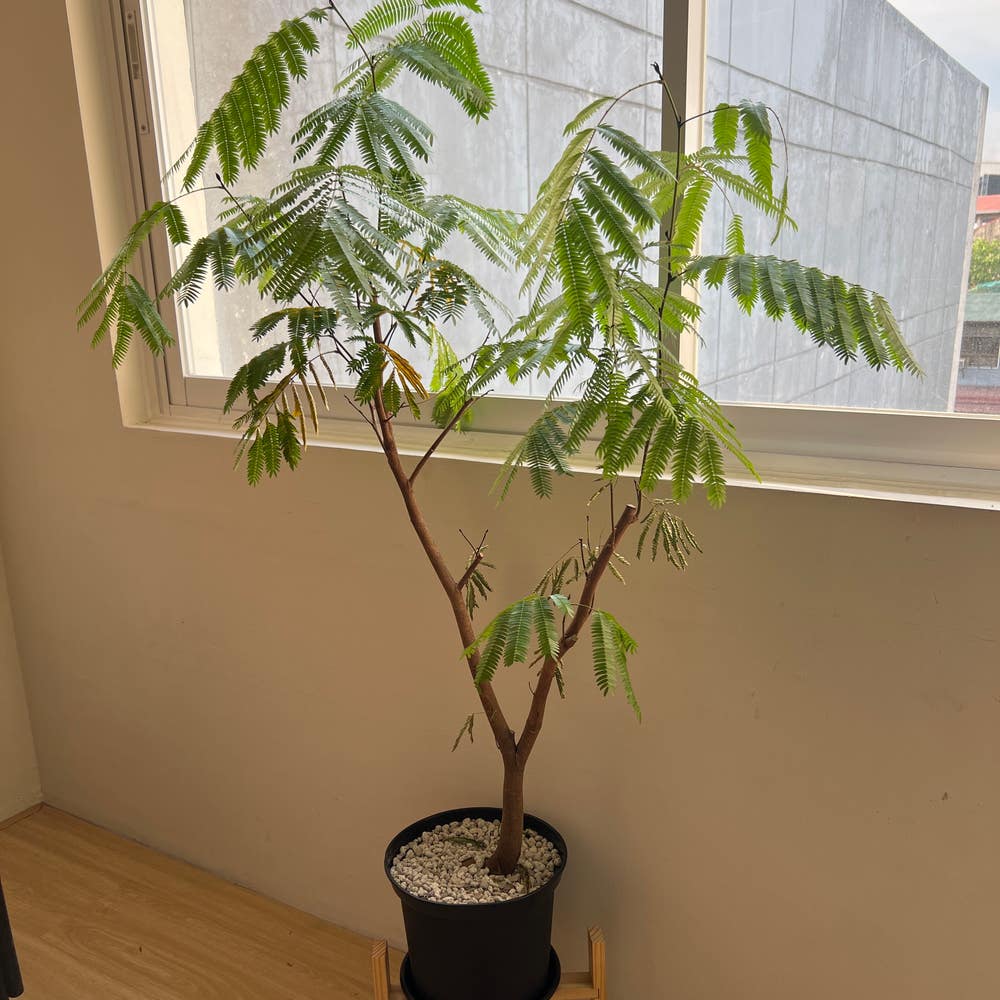
🌳 Ultimate Guide to What's Eating Your Siris Tree
Albizia amara
By the Greg Editorial Team
Nov 23, 2024•6 min read
This article was created with the help of AI so we can cover more plants for you. May contain errors. See one? Report it here.
- 🦌 Deer and rabbits harm Siris trees; use repellents and fencing to deter them.
- 🐿️ Squirrels and rodents damage bark and roots; capsaicin sprays and traps help manage them.
- 🌳 Regular monitoring and barriers are essential for protecting your Siris tree from herbivores.
Common Herbivores Affecting Siris Tree
🦌 Deer
Signs of presence and damage
Look for hoof prints in muddy areas near your Siris tree. You may also notice leaves and young shoots stripped from the lower branches, indicating deer browsing.
Impact on the tree (beneficial or harmful)
Deer are generally harmful to Siris trees. Their feeding can lead to stunted growth and reduced vigor, making it crucial to manage their presence.
Deterrent methods (difficulty: moderate)
To deter deer, consider using commercial repellents with strong scents. Additionally, planting strong-smelling herbs like lavender around the tree can help keep them at bay.
🐇 Rabbits
Signs of presence and damage
Rabbits leave small, round droppings and gnaw marks on young shoots. Clean cuts on stems and leaves are also telltale signs of their browsing.
Impact on the tree (beneficial or harmful)
Rabbits are generally harmful to Siris trees, especially young ones. Their feeding can severely damage saplings, so vigilance is essential.
Deterrent methods (difficulty: easy)
Bitter-tasting sprays can act as effective chemical repellents against rabbits. For a more organic approach, consider fencing with chicken wire around the base of the tree.
🐿️ Squirrels
Signs of presence and damage
Chewed bark and branches are common signs of squirrel activity. You might also find nesting activity in the tree, indicating their presence.
Impact on the tree (beneficial or harmful)
Squirrels are generally harmful to Siris trees. They can cause bark damage and stress, which can compromise the tree's health.
Deterrent methods (difficulty: moderate)
Capsaicin-based sprays serve as effective chemical repellents for squirrels. Installing squirrel baffles on tree trunks can also help keep them away.
🐦 Birds
Signs of presence and damage
Look for pecking marks on branches and fruits, as well as nesting activity in the tree. These signs indicate that birds are interacting with your Siris tree.
Impact on the tree (beneficial or harmful)
Birds have a mixed impact on Siris trees. While some birds help control pests, others may damage fruits, so it's essential to monitor their activity.
Deterrent methods (difficulty: easy)
Reflective tape or shiny objects can deter birds effectively. For fruit protection, consider using netting to cover the fruits.
🐭 Rodents (mice, voles, etc.)
Signs of presence and damage
Gnaw marks on the base of the tree and roots are clear indicators of rodent activity. You may also find burrows or nests near the tree.
Impact on the tree (beneficial or harmful)
Rodents are generally harmful to Siris trees. They can cause root damage, which weakens the tree over time.
Deterrent methods (difficulty: moderate)
Rodent bait stations can serve as effective chemical repellents. Alternatively, traps and natural predators like cats can help manage their population.
🦡 Groundhogs/Woodchucks
Signs of presence and damage
Look for large burrows near the tree and signs of browsing on lower branches and young shoots. These indicate groundhog activity.
Impact on the tree (beneficial or harmful)
Groundhogs are generally harmful to Siris trees. Their feeding can severely damage the tree's structure, making it vital to address their presence.
Deterrent methods (difficulty: hard)
Commercial repellents specifically designed for groundhogs can be effective. Additionally, fencing at least 3 feet high and buried 1 foot underground can provide a strong barrier.
Understanding these common herbivores and their impacts on your Siris tree is essential for effective management. With the right deterrent methods, you can protect your tree and ensure its health and growth. Next, we will explore general strategies for protecting your Siris tree from these herbivores.
General Strategies for Protection
🛡️ Preventive measures for protecting Siris Tree
To safeguard your Siris tree, regular monitoring is essential. Keep an eye out for signs of herbivore activity, such as tracks or gnaw marks.
Implementing physical barriers can also be highly effective. Fencing and netting can deter many common herbivores from accessing your tree.
⚠️ Reactive solutions for managing animal interactions
If you notice damage, act quickly by removing affected parts of the tree. This promotes recovery and helps prevent further issues.
Using repellents can be a game-changer. Apply them as needed based on the level of observed activity around your tree.
🌱 Balancing ecosystem health while protecting the tree
It's crucial to encourage beneficial animals while managing harmful ones. This balance helps maintain a healthy garden ecosystem.
Creating a diverse garden environment can support various species. A well-planned garden attracts helpful wildlife while keeping destructive herbivores at bay.
By employing these strategies, you can protect your Siris tree effectively while fostering a thriving garden ecosystem. Next, let’s explore seasonal considerations that can impact your tree's health and interactions with wildlife.
Seasonal Considerations
🐇 Seasonal Variations in Animal Attraction to Siris Tree
As the seasons change, so does the activity of herbivores around your Siris tree. In spring, expect a surge in visits from rabbits and deer, both eager to munch on the tender new shoots that emerge.
Summer brings a different set of challenges. Squirrels and birds become more active, drawn by the availability of fruits. Their presence can lead to significant damage if not managed properly.
⏰ Timing of Plant Damage and Animal Behavior
Understanding the seasonal patterns of these animals is crucial for effective tree protection. By monitoring their activity, you can anticipate potential damage and take proactive measures.
For instance, knowing that rabbits are more active in spring allows you to implement deterrents before they start feasting on your young shoots. This foresight can save your tree from unnecessary stress and promote healthier growth.
In summary, being aware of these seasonal behaviors helps you stay one step ahead in protecting your Siris tree. With the right strategies in place, you can enjoy the beauty of your tree while minimizing the impact of herbivores.
Next, we will explore general strategies for protecting your Siris tree from these common herbivores.
Toxicity and Safety
🐾 Discussion of any toxic effects of Siris Tree on animals
The Siris tree does possess mild toxicity, particularly in its seeds. This characteristic can act as a natural deterrent for some herbivores, reducing the likelihood of significant damage.
🦺 Implications for animal interactions and garden safety
Understanding the potential toxicity of the Siris tree is crucial for effective management strategies. By being aware of these effects, you can better protect pets and wildlife while maintaining a healthy garden environment.
Incorporating this knowledge into your gardening practices not only safeguards your plants but also fosters a balanced ecosystem. As you cultivate your garden, keep an eye on interactions between the Siris tree and local wildlife, ensuring a harmonious coexistence.
With this awareness, you can confidently navigate the challenges of herbivore management while enjoying the beauty and benefits of your Siris tree.
⚠️ Safety First
This content is for general information and may contain errors, omissions, or outdated details. It is not medical, veterinary advice, or an endorsement of therapeutic claims.
Always consult a qualified healthcare professional before using any plant as food, medicine, or supplement.
Never eat any plant (or feed one to pets) without confirming its identity with at least two trusted sources.
If you suspect poisoning, call Poison Control (800) 222-1222, the Pet Poison Helpline (800) 213-6680, or your local emergency service immediately.
Spotted an error? Please report it here.
Safeguard your Siris tree from herbivore havoc 🦌 with Greg's personalized tips and reminders that ensure your tree stays vibrant and healthy!