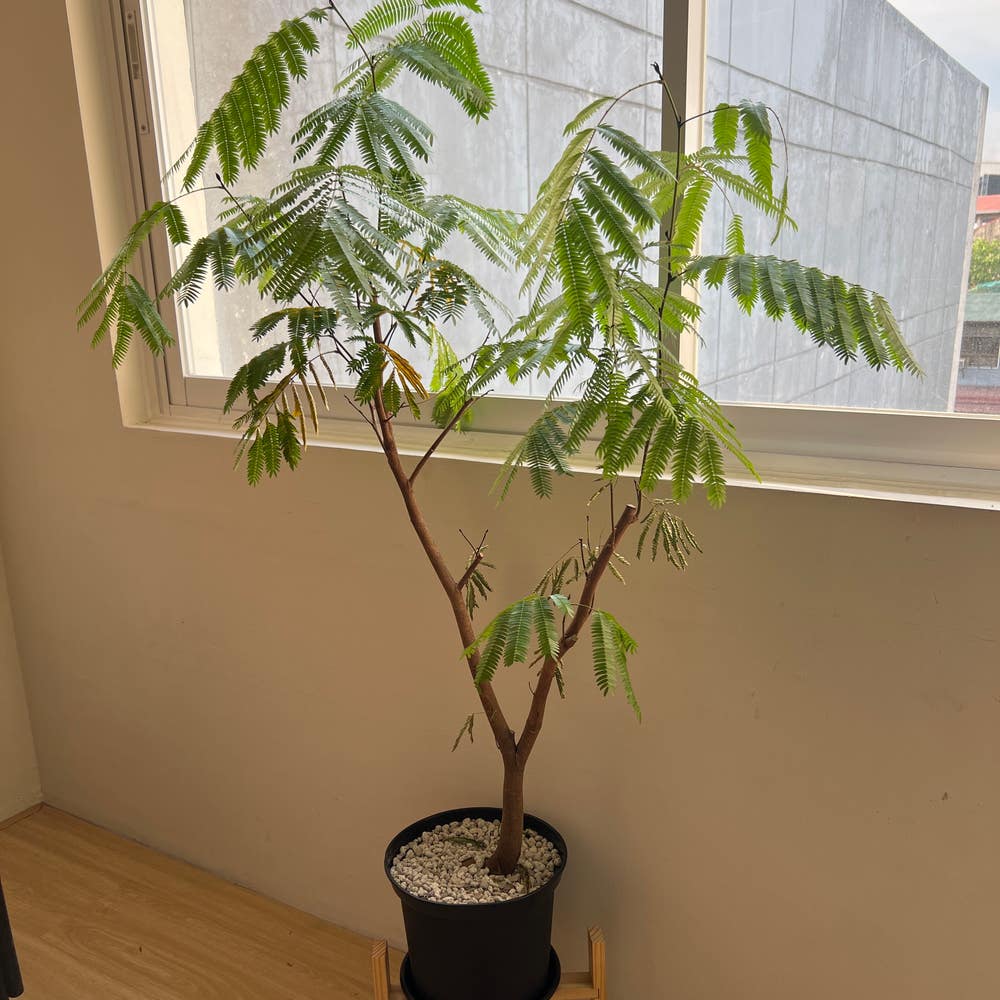
What to Do About Curling Leaves on Your Siris Tree
Albizia amara
By the Greg Editorial Team
Nov 23, 2024•5 min read
This article was created with the help of AI so we can cover more plants for you. May contain errors. See one? Report it here.
- 🌡️ Curling leaves result from environmental stress, like extreme temperatures and low humidity.
- 🐜 Pests like aphids and spider mites cause significant leaf curling; monitor regularly.
- 🌱 Nutrient deficiencies in nitrogen and potassium lead to curling; use specific fertilizers.
Causes of Curling Leaves
🌡️ Environmental Stress Factors
Curling leaves on your Siris tree can often be traced back to environmental stress. High temperatures above 35°C (95°F) can lead to significant leaf curling, while low temperatures below 10°C (50°F) can also put the tree under stress.
Humidity plays a crucial role as well. Low humidity can cause dehydration, resulting in curling leaves. For optimal growth, aim for a humidity range of 40-60%.
🐜 Pest Infestations
Aphids
Aphids are notorious for causing damage to trees, and their presence is often marked by sticky residues, known as honeydew, on the leaves. You may also notice small green or black insects lurking on the undersides of the leaves.
The damage they inflict can be severe, leading to stunted growth and curling leaves due to sap extraction. If you spot these pests, it's essential to act quickly.
Spider Mites
Spider mites can also wreak havoc on your Siris tree. Look for fine webbing on the leaves and a stippled appearance, which are telltale signs of an infestation.
These pests cause yellowing and curling of leaves, ultimately reducing the tree's vigor. Keeping an eye out for these signs can help you catch infestations early.
🥦 Nutrient Deficiencies
Nitrogen Deficiency
A nitrogen deficiency can manifest as yellowing of older leaves, with curling occurring at the tips. This is a clear signal that your tree needs more nutrients.
To treat this deficiency, apply nitrogen-rich fertilizers to boost growth and restore leaf health.
Potassium Deficiency
Potassium deficiency is another concern, often indicated by marginal leaf curling and browning. This deficiency can compromise the overall health of your tree.
Using potassium sulfate or similar fertilizers can effectively address this issue and promote healthier foliage.
🍄 Fungal Infections
Powdery Mildew
Powdery mildew is a common fungal infection that can lead to curling leaves. You may notice white powdery spots on the leaves, which are a clear indication of this issue.
To combat powdery mildew, consider applying fungicides or organic solutions like baking soda. Taking action promptly can help prevent further damage to your tree.
Understanding these causes of curling leaves is the first step in addressing the issue effectively. Next, we will explore how to diagnose the specific problems affecting your Siris tree.
Diagnosing Curling Leaves
🌿 Identifying Symptoms
When diagnosing curling leaves on your Siris tree, start by observing the visual signs. Pay attention to the direction of the curling—are the leaves curling upward or downward?
Color changes are also crucial indicators. Look for yellowing or browning leaves, which can signal underlying issues. Additionally, check for any pests or fungal growth that may be affecting the tree's health.
🔍 Differentiating Between Damage Types
Next, differentiate between types of damage to pinpoint the cause. For pest damage, inspect the leaves for insects or webbing.
Sticky residues or droppings can also indicate a pest problem. On the other hand, environmental stress might be at play if you notice recent weather changes, such as temperature fluctuations or humidity levels.
Evaluate your watering practices and soil moisture to ensure your tree is receiving the right care. Understanding these symptoms and their causes will help you take effective action to restore your Siris tree's health.
With a clear diagnosis, you can move on to exploring treatment options that will revive your tree and prevent future issues.
Treatment Options
🌱 Organic Pest Control
To tackle pest issues effectively, consider using neem oil. This natural solution should be sprayed on affected areas every 7-14 days to keep pests at bay.
Insecticidal soap is another excellent option. It directly targets pests, ensuring thorough coverage for maximum effectiveness.
🌿 Nutrient Supplementation
A consistent fertilization schedule is crucial for your Siris tree's health. Apply a balanced fertilizer every 4-6 weeks during the growing season to provide essential nutrients.
Additionally, soil testing is vital. Conduct tests to determine nutrient levels and make necessary amendments for optimal growth.
🍄 Fungal Treatment
For fungal issues, organic fungicides can be a game changer. Look for products containing potassium bicarbonate or sulfur to combat infections effectively.
Cultural practices also play a significant role. Improving air circulation around the tree can help reduce humidity, which is essential for preventing fungal growth.
By implementing these treatment options, you can help your Siris tree thrive and recover from curling leaves. Next, let’s explore preventive measures to keep your tree healthy in the long run.
Preventive Measures
Proper Watering Techniques 💧
Watering your Siris tree correctly is crucial for preventing curling leaves. Aim for deep watering every 1-2 weeks, adjusting based on soil moisture levels.
To ensure you're not over or under-watering, consider using a moisture meter. This handy tool helps you gauge the soil's moisture content accurately.
Soil Health and Amendments 🌱
Maintaining healthy soil is vital for your tree's overall well-being. Regularly test your soil's pH and nutrient levels to identify any deficiencies.
Incorporating organic matter into your soil can significantly enhance its structure and fertility. This simple step can lead to healthier roots and, ultimately, a thriving tree.
Regular Monitoring 🔍
Consistent monitoring is key to catching potential issues early. Conduct weekly inspections for signs of pests or diseases to stay ahead of any problems.
If you notice anything unusual, address it promptly. Early intervention can prevent minor issues from escalating into major headaches.
⚠️ Safety First
This content is for general information and may contain errors, omissions, or outdated details. It is not medical, veterinary advice, or an endorsement of therapeutic claims.
Always consult a qualified healthcare professional before using any plant as food, medicine, or supplement.
Never eat any plant (or feed one to pets) without confirming its identity with at least two trusted sources.
If you suspect poisoning, call Poison Control (800) 222-1222, the Pet Poison Helpline (800) 213-6680, or your local emergency service immediately.
Spotted an error? Please report it here.
Revive your Siris tree's curling leaves 🌿 by using Greg's personalized care tips and reminders to tackle pests and maintain optimal humidity for a thriving plant!