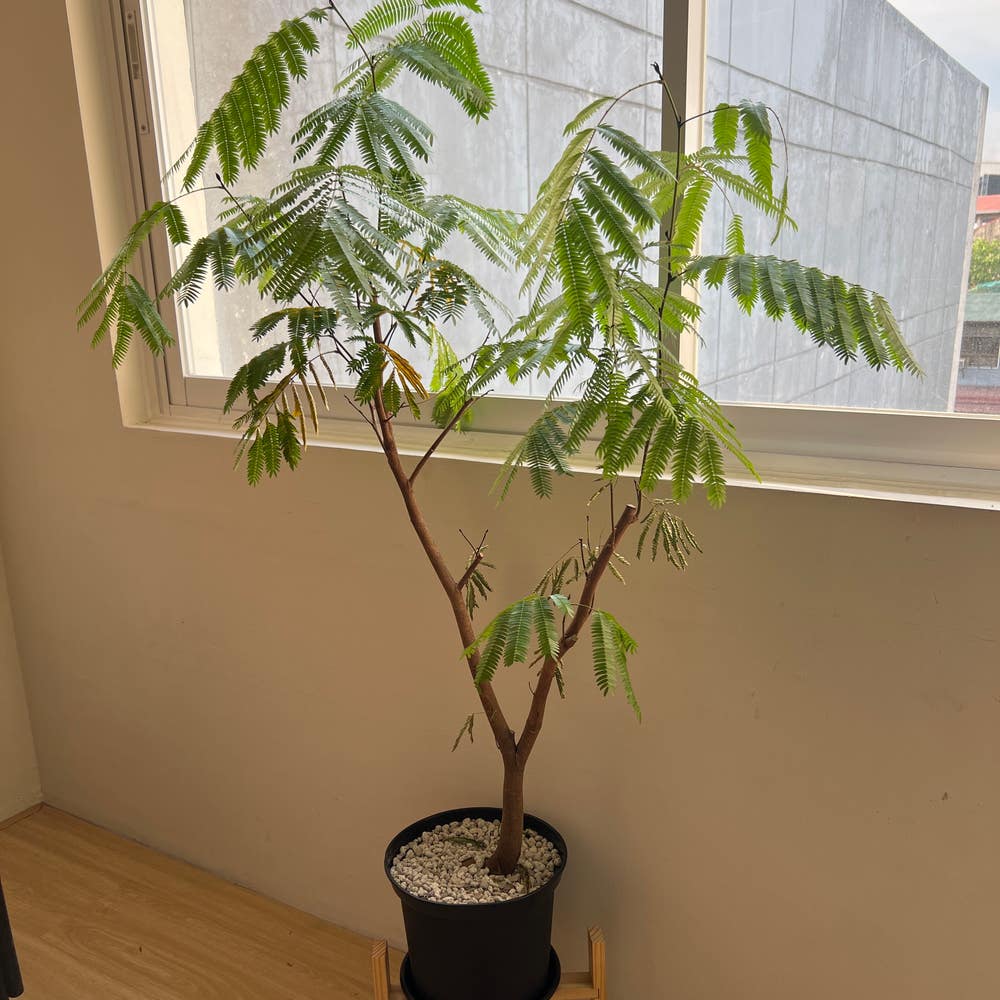
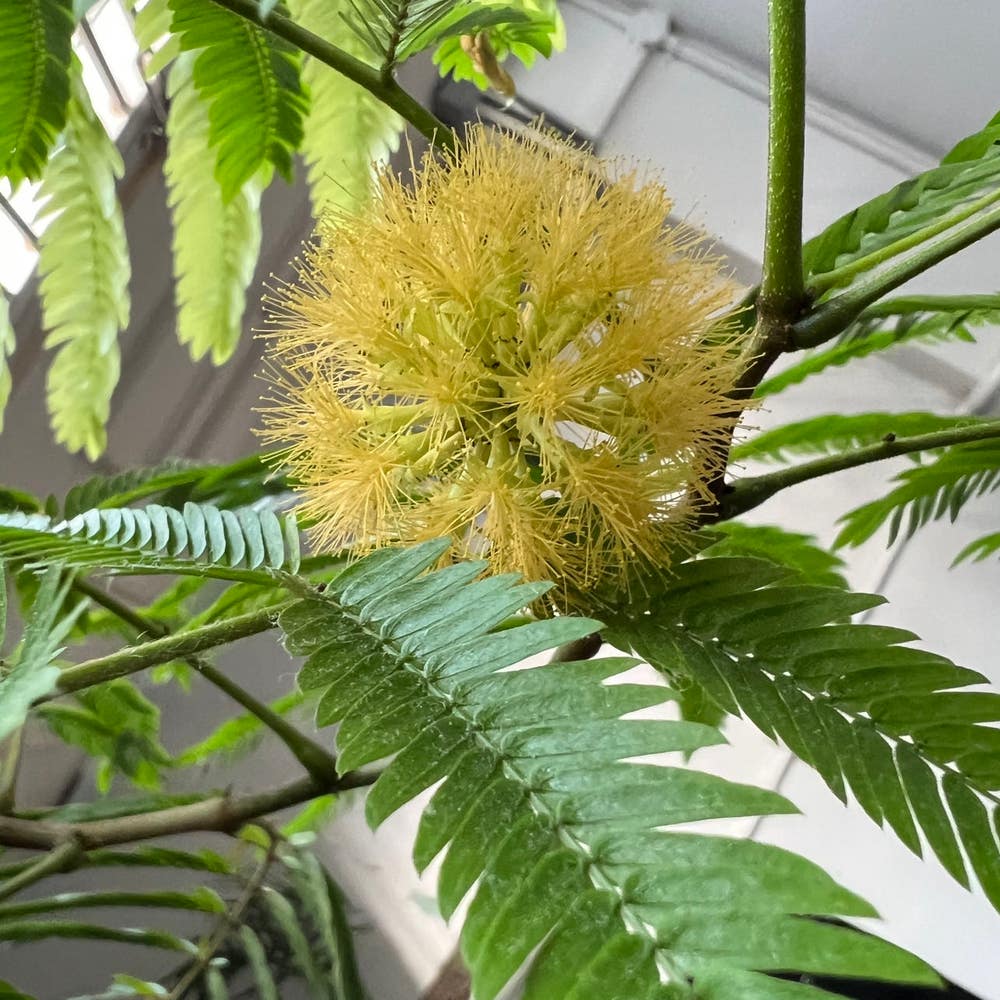
What to Do About Brown Spots on Your Siris Tree 🌳
Albizia amara
By the Greg Editorial Team
Nov 23, 2024•6 min read
This article was created with the help of AI so we can cover more plants for you. May contain errors. See one? Report it here.
- 🌳 Brown spots on Siris trees stem from fungi, pests, or nutrient issues.
- 🦠 Fungal infections like Cercospora cause brown spots and leaf drop; treat promptly.
- 🌱 Nutrient deficiencies and watering issues also lead to brown spots; monitor regularly.
Common Causes of Brown Spots on Leaves
🦠 Fungal Infections
Fungal infections are a primary culprit behind brown spots on your Siris tree. Common fungi like Cercospora and Anthracnose can wreak havoc, leading to noticeable symptoms such as brown spots surrounded by yellow halos and eventual leaf drop.
These fungi thrive in conditions of high humidity and poor air circulation. If your tree is in a damp, crowded area, it’s more susceptible to these infections.
🐛 Pest Infestations
Pests can also contribute to the brown spots on your tree's leaves. Aphids are small, soft-bodied insects that can cause significant damage, while spider mites are tiny arachnids that create webbing and lead to leaf discoloration.
The effects of these pests include not just unsightly spots but also stunted growth. Keeping an eye out for these pests is crucial for maintaining your tree's health.
🌱 Nutrient Deficiencies
Nutrient deficiencies can manifest as brown spots as well. Key nutrients like nitrogen, potassium, and magnesium are essential for your tree's vitality.
When these nutrients are lacking, you may notice yellowing leaves, brown spots, and poor overall growth. Conducting a soil test can help identify any deficiencies and guide your fertilization efforts.
🌧️ Environmental Stress Factors
Environmental stress factors play a significant role in leaf health. Overwatering can lead to poor drainage, causing root rot, while underwatering can result in drought stress, both of which contribute to brown spots.
Temperature extremes can also affect leaf health, making it essential to manage soil moisture effectively. Regular monitoring of your tree's environment can help mitigate these stressors.
Understanding these common causes is the first step in addressing brown spots on your Siris tree. By identifying the underlying issues, you can take proactive measures to restore your tree's health and beauty.
Diagnosis of Brown Spots
🕵️ Identifying Symptoms
When diagnosing brown spots on your Siris tree, start by examining the visual characteristics. Look for variations in size, shape, and color; brown spots can range from tiny specks to larger patches, often accompanied by yellowing edges.
Additionally, pay attention to any changes in leaf texture. Leaves affected by fungal infections may feel fuzzy or slimy, while those damaged by pests might appear distorted or brittle.
🔍 Differentiating Between Causes
To effectively treat brown spots, it's crucial to differentiate between their causes. Fungal infections typically present with distinct patterns, such as circular spots with yellow halos, while pest infestations often lead to discoloration and stunted growth.
Environmental stress factors can also manifest as brown spots, but they usually come with other signs, like wilting or drooping leaves. Accurate diagnosis is essential for implementing the right treatment, ensuring your tree receives the care it needs to thrive.
Understanding these symptoms will set you on the right path to restoring your Siris tree's health. Next, we’ll explore treatment options to tackle these brown spots effectively.
Treatment Options
Step-by-Step Guide to Treating Fungal Infections 🌱
Treating fungal infections on your Siris tree requires a systematic approach.
- Identify the type of fungus affecting the tree: Look for signs like brown spots and yellow halos to pinpoint the issue.
- Apply appropriate fungicide: Choose from various types, such as systemic or contact fungicides, and follow the application instructions carefully.
- Improve air circulation around the tree: Prune surrounding foliage to allow better airflow, which helps reduce humidity levels.
- Adjust watering practices: Ensure you’re not overwatering, as excess moisture can exacerbate fungal growth.
Pest Control Methods 🐞
Pest infestations can also lead to brown spots on your tree.
- Identification of pests and their damage: Regularly inspect leaves for signs of aphids or spider mites, which can cause discoloration and stunted growth.
- Recommended pest control strategies: Use insecticidal soap or neem oil to target pests effectively. Beneficial insects, like ladybugs, can also help manage pest populations naturally.
- Monitoring and follow-up treatments: Keep an eye on your tree after treatment to ensure pests don’t return.
Correcting Nutrient Deficiencies 🥦
Nutrient deficiencies can lead to poor tree health and brown spots.
- Conduct a soil test: This will help you identify any nutrient deficiencies present in the soil.
- Select appropriate fertilizers: Based on the test results, choose fertilizers that provide the necessary nutrients, such as nitrogen, potassium, or magnesium.
- Application methods: Decide between granular or liquid fertilizers, depending on your preference and the tree's needs.
- Timing of fertilization: Apply fertilizers during the growing season for optimal absorption and effectiveness.
Adjusting Environmental Conditions 🌤️
Environmental factors play a crucial role in the health of your Siris tree.
- Importance of proper light exposure: Ensure your tree receives adequate sunlight, as insufficient light can weaken its health.
- Watering guidelines: Maintain consistent soil moisture without overwatering to support healthy growth.
- Soil amendments: Consider adding organic matter to improve drainage and nutrient retention, creating a healthier environment for your tree.
By addressing these treatment options, you can effectively combat brown spots and promote the overall health of your Siris tree. Next, let’s explore some prevention strategies to keep your tree thriving year-round.
Prevention Strategies
Best Practices for Care 🌱
Maintaining a regular watering schedule is crucial for your Siris tree. Consistent soil moisture helps prevent stress and promotes healthy growth.
Fertilization is equally important. Timing and type of fertilizers can significantly impact your tree's vitality, so choose wisely based on its specific needs.
Pruning techniques also play a vital role. Proper pruning enhances air circulation, reducing the risk of fungal infections and promoting overall tree health.
Regular Monitoring and Maintenance Tips 🔍
Regularly inspecting leaves for early signs of problems can save your tree from severe damage. Look for discoloration or unusual spots that may indicate underlying issues.
Keeping a care journal is a great way to track changes in tree health. Documenting your observations helps you identify patterns and adjust your care routine accordingly.
Seasonal checklists for tree care can simplify your maintenance tasks. These checklists ensure you don’t overlook essential practices throughout the year.
Seasonal Care Considerations 🌦️
Adjusting care practices with the changing seasons is essential for your tree's well-being. Different weather conditions require tailored approaches to watering and fertilization.
Preparing your tree for extreme weather conditions can make a significant difference. Ensure it has adequate support and protection during storms or heatwaves.
Finally, don’t underestimate the importance of mulching. Mulch helps retain moisture and regulate soil temperature, creating a more stable environment for your Siris tree.
By implementing these prevention strategies, you can keep your Siris tree healthy and vibrant. Next, let’s explore effective treatment options for addressing any existing issues.
⚠️ Safety First
This content is for general information and may contain errors, omissions, or outdated details. It is not medical, veterinary advice, or an endorsement of therapeutic claims.
Always consult a qualified healthcare professional before using any plant as food, medicine, or supplement.
Never eat any plant (or feed one to pets) without confirming its identity with at least two trusted sources.
If you suspect poisoning, call Poison Control (800) 222-1222, the Pet Poison Helpline (800) 213-6680, or your local emergency service immediately.
Spotted an error? Please report it here.
Restore your Siris tree's vibrancy 🌳 by using Greg's tailored care plans and reminders to tackle those pesky brown spots effectively!