🐝 Step-by-Step Guide to Pollinating Siris Tree
Albizia amara
By the Greg Editorial Team
Nov 23, 2024•7 min read
This article was created with the help of AI so we can cover more plants for you. May contain errors. See one? Report it here.
- 🌼 Siris Trees attract bees, butterflies, and hummingbirds with their vibrant flowers.
- 🌱 Hand pollination boosts seed production and genetic diversity in Siris Trees.
- 🌍 Creating a pollinator-friendly garden supports local ecosystems and enhances beauty.
Flower Structure
Description of Flower Anatomy 🌼
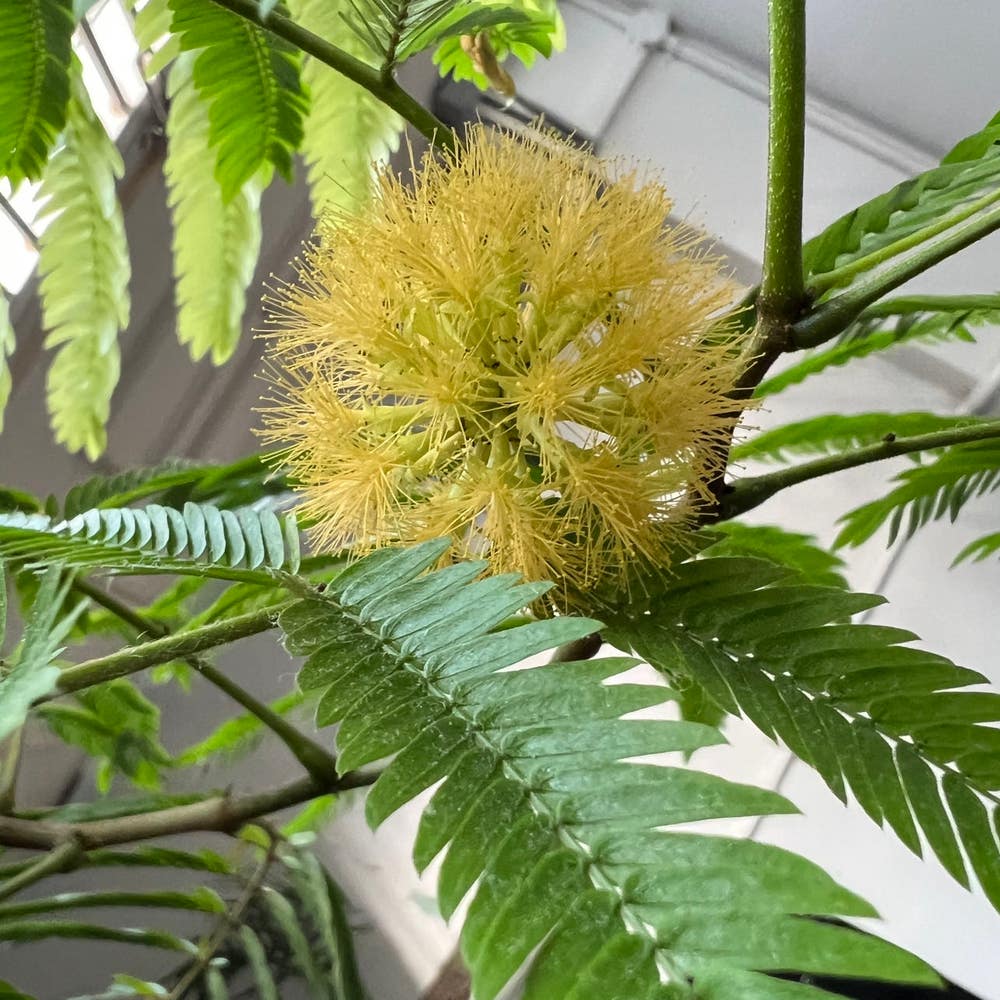
The Siris Tree boasts fluffy, rounded clusters of flowers that create a stunning visual display. Their yellow-green hue is not just for show; it effectively attracts a variety of pollinators.
These flowers are arranged in dense, spherical heads, making them easy targets for visiting insects. Each flower features delicate, feathery petals that enhance visibility, while small green sepals provide essential support.
The long and prominent stamens produce abundant pollen, crucial for reproduction. At the center lies the pistil, the key component for fertilization, ready to receive pollen from visiting pollinators.
Role in Pollination 🐝
This unique flower anatomy plays a vital role in attracting pollinator species like bees and butterflies. The strategic arrangement of stamens and pistils ensures effective pollen transfer during their visits.
Pollinators are drawn to the Siris Tree not just for its beauty but also for the promise of nourishment. As they forage, they inadvertently facilitate the tree's reproductive process, ensuring the continuation of this remarkable species.
In summary, the Siris Tree's flower structure is a masterclass in nature's design, perfectly tailored to engage and benefit its pollinators. This intricate relationship highlights the importance of understanding flower anatomy in the broader context of pollination.
Next, we will explore the pollination process and how the Siris Tree relies on cross-pollination for optimal seed production.
Pollination Process
Cross-Pollination 🌼
The Siris Tree thrives on cross-pollination, which is essential for optimal seed production and genetic diversity. This process not only enhances the vigor of the offspring but also boosts their resilience against environmental challenges.
Primary Pollinators 🐝
Several key pollinators play a vital role in the Siris Tree's reproductive success:
- Bees: These busy insects are drawn to the bright colors and sweet scents of the flowers, collecting both pollen and nectar.
- Butterflies: With their delicate wings, butterflies flutter around the flower clusters, sipping nectar and inadvertently transferring pollen.
- Moths: Active during the night, moths contribute to pollination when other pollinators are resting.
- Hummingbirds: These energetic birds are attracted to the nectar, facilitating pollen transfer as they flit from flower to flower.
Attraction Mechanisms 🎯
The Siris Tree employs several strategies to attract its pollinators:
- Scent: The flowers emit delightful fragrances that lure in pollinators from afar.
- Color: Their bright yellow-green hue stands out against the surrounding foliage, making them hard to miss.
- Nectar: The availability of sweet nectar encourages frequent visits, ensuring effective pollen transfer.
Understanding these mechanisms not only highlights the beauty of nature but also emphasizes the importance of maintaining healthy ecosystems for the survival of both plants and pollinators. As we explore further, we’ll delve into the natural pollination processes that support the Siris Tree's growth and reproduction.
Natural Pollination
🌬️ Pollen Transfer Mechanisms
Natural pollination is a fascinating process that involves both wind and insect activity. Wind plays a crucial role by assisting in the movement of pollen between flowers, ensuring that genetic material is shared across the Siris Tree population.
Insects, particularly bees and butterflies, are the stars of the show. As they forage for nectar, they carry pollen from male flowers to female ones, facilitating the essential transfer needed for fertilization.
🌱 Importance for Reproduction
Successful pollination is vital for the Siris Tree's reproduction. It leads to the formation of seed pods, which contain seeds that are crucial for the next generation.
Moreover, this process enhances genetic diversity within the species. A diverse gene pool increases resilience against diseases and environmental changes, ensuring the survival of the Siris Tree in various conditions.
Understanding these mechanisms not only highlights the beauty of nature but also emphasizes the importance of protecting pollinators and their habitats. As we move forward, let’s explore how we can support these vital creatures in our gardens and communities.
Hand Pollination Techniques ((difficulty:moderate))
Hand pollination can be a rewarding way to ensure the successful reproduction of your Siris tree. Follow these straightforward steps to effectively pollinate your trees and enhance their growth.
Step 1: Identify Male and Female Flower Parts 🌸
First, you need to distinguish between the male and female flowers. Male flowers are characterized by their long stamens, while female flowers feature a prominent pistil at the center.
Step 2: Collecting Pollen 🌼
Once you've identified the male flowers, it's time to gather pollen. Use a small brush or a cotton swab to gently collect pollen from the male flowers without damaging them.
Step 3: Transferring Pollen 🌿
Next, carefully transfer the collected pollen to the stigma of the female flowers. This step is crucial for successful fertilization, so take your time to ensure thorough coverage.
Step 4: Timing ⏰
Timing is everything in hand pollination. Aim to perform this process during the peak flowering periods for the best results, as this is when the flowers are most receptive.
By following these steps, you can significantly improve the chances of your Siris tree producing healthy seeds. This hands-on approach not only fosters growth but also deepens your connection with nature.
Next, let's explore how to support pollinators in your garden to create a thriving ecosystem.
Supporting Pollinators
🌼 Creating a Pollinator-Friendly Environment
To support pollinators effectively, plant a variety of flowering species. This diversity ensures a steady supply of nectar and pollen throughout the growing season, attracting a wide range of beneficial insects.
Avoid using pesticides, as these chemicals can harm the very pollinators you aim to support. Instead, opt for natural pest control methods that protect these essential creatures.
🌱 Suggested Companion Plants
Consider incorporating the following companion plants into your garden:
Marigolds: These vibrant flowers not only attract beneficial insects but also deter pests, making them a dual-purpose addition to your garden.
Lavender: Known for its delightful fragrance, lavender provides nectar that is irresistible to bees and butterflies, enhancing your garden's pollinator appeal.
Sunflowers: With their large, cheerful blooms, sunflowers attract a variety of pollinators, creating a lively and productive environment.
By cultivating a pollinator-friendly garden, you contribute to the health of local ecosystems and ensure the success of plants like the Siris tree. This proactive approach not only benefits your garden but also fosters a thriving community of pollinators.
As you nurture your garden, remember that every small effort counts in supporting these vital species. Next, let’s explore the challenges pollinators face and how we can address them effectively.
Pollination Challenges
🌪️ Common Obstacles
Pollination can face several challenges that hinder the successful reproduction of the Siris Tree. Environmental factors, such as temperature fluctuations and humidity levels, can significantly impact pollinator activity, making it harder for them to perform their vital role.
Additionally, the decline in pollinator populations due to urbanization and habitat loss poses a serious threat. As natural habitats shrink, fewer bees, butterflies, and other pollinators are available to assist in the pollination process.
🛠️ Solutions
Fortunately, there are effective strategies to mitigate these challenges and support pollinator populations. One of the best approaches is planting native flora, which provides essential nectar and pollen sources for local pollinator species.
Creating sheltered areas can also help protect pollinators from extreme weather conditions. These safe havens allow them to thrive and continue their crucial work in pollination.
Lastly, implementing a watering schedule can maintain optimal humidity levels for flowering. This ensures that the Siris Tree and its companions remain healthy and appealing to pollinators throughout the growing season.
By addressing these challenges, we can foster a thriving ecosystem that supports the Siris Tree and its pollinators. This not only enhances the beauty of our surroundings but also contributes to the overall health of our environment.
Next, we will explore how to support pollinators effectively in your garden.
⚠️ Safety First
This content is for general information and may contain errors, omissions, or outdated details. It is not medical, veterinary advice, or an endorsement of therapeutic claims.
Always consult a qualified healthcare professional before using any plant as food, medicine, or supplement.
Never eat any plant (or feed one to pets) without confirming its identity with at least two trusted sources.
If you suspect poisoning, call Poison Control (800) 222-1222, the Pet Poison Helpline (800) 213-6680, or your local emergency service immediately.
Spotted an error? Please report it here.
Boost your Siris Tree's pollination success 🌱 with Greg's tailored watering reminders and expert care tips, ensuring a vibrant garden that attracts essential pollinators!