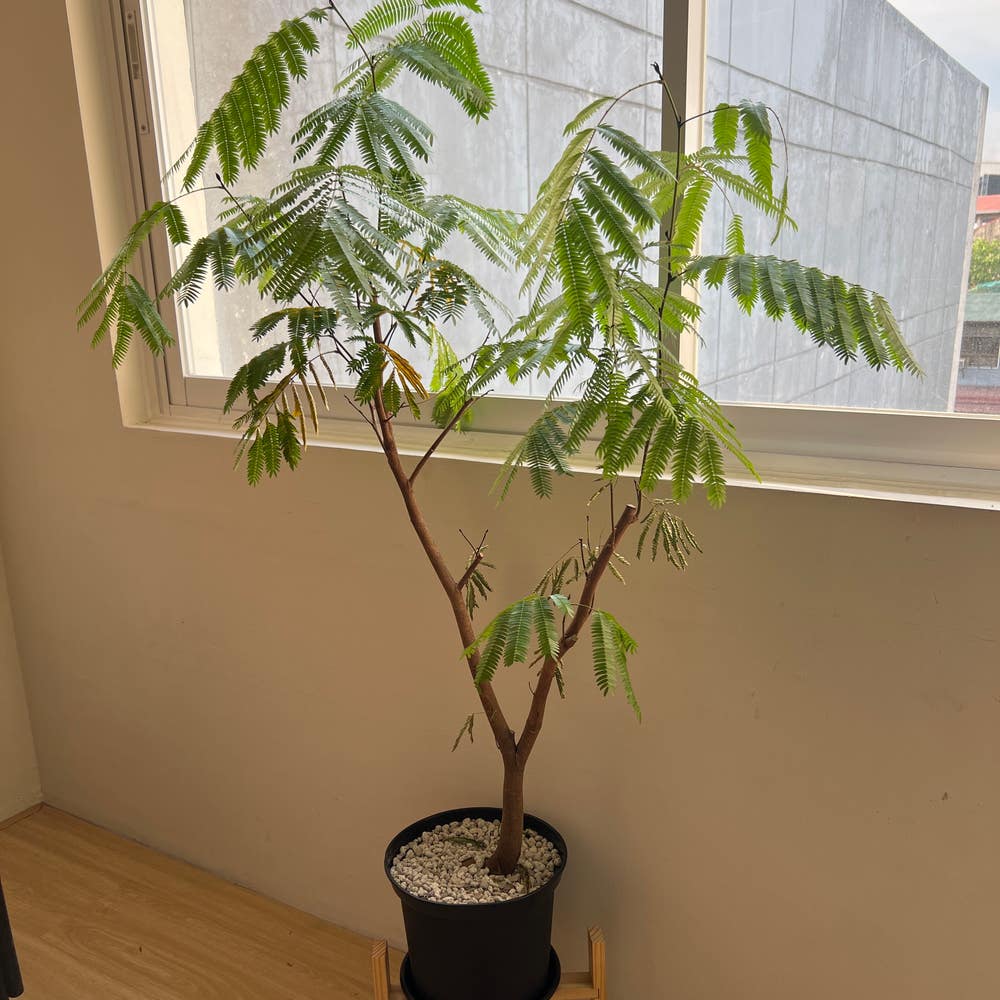
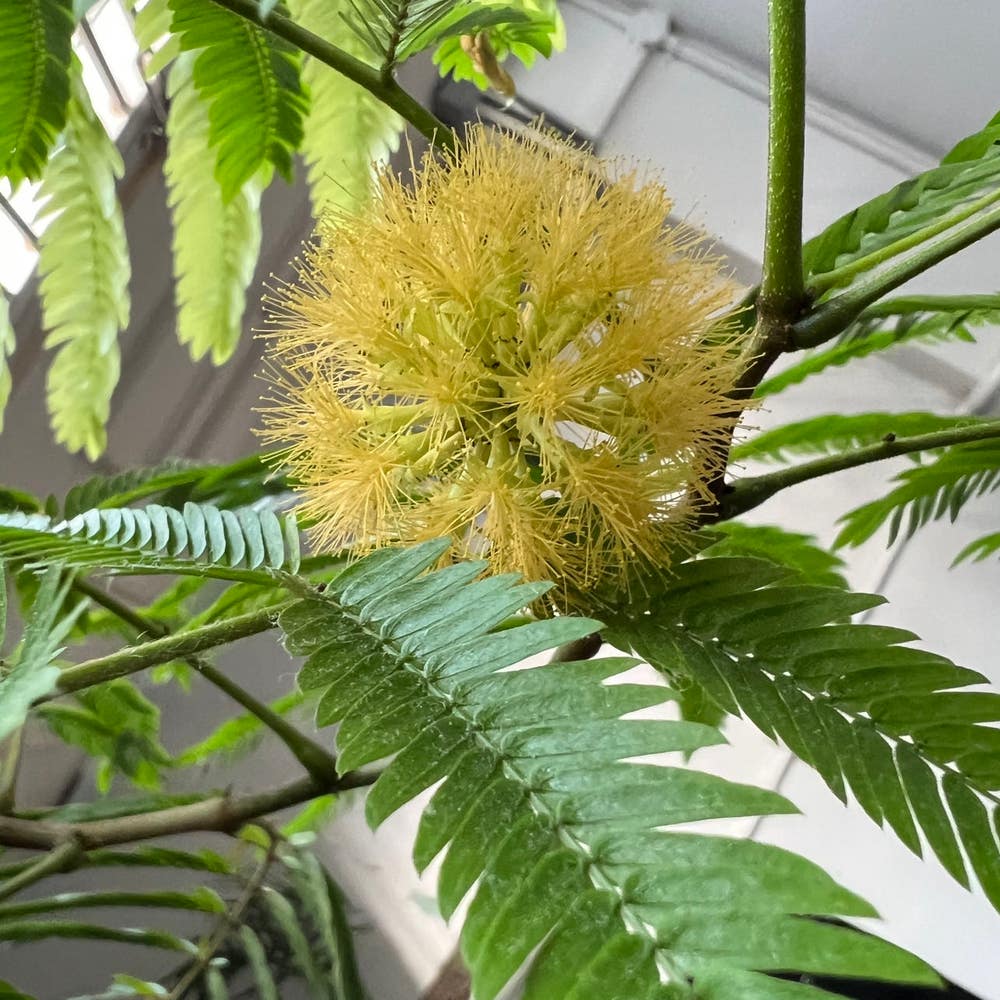
3 Tips for Propagating Your Siris Tree
Albizia amara
By the Greg Editorial Team
Nov 23, 2024•5 min read
This article was created with the help of AI so we can cover more plants for you. May contain errors. See one? Report it here.
- 🌱 Select mature seeds from healthy Siris trees for successful propagation.
- 💧 Soak seeds for 24 hours to enhance germination by softening the seed coat.
- 🌞 Maintain humidity at 70-80% and provide indirect sunlight for thriving seedlings.
Propagating from Seeds
Step-by-Step Guide on Seed Preparation 🌱
To start propagating your Siris Tree, selecting mature seeds is crucial. Choose seeds from healthy trees to ensure robust growth.
Next, soak the seeds in water for 24 hours. This simple step enhances germination by softening the seed coat.
Finally, lightly scarify the seed coat. This process improves water absorption, giving your seeds a better chance to sprout.
Ideal Conditions for Germination 🌡️
Creating the right environment is key to successful germination. Maintain a temperature range of 20°C to 30°C (68°F to 86°F) for optimal growth.
Humidity levels should be kept high, ideally around 70-80%. This moisture helps the seeds thrive during their early stages.
Additionally, provide indirect sunlight. This prevents the seeds from drying out while still allowing them to receive necessary light.
Timing for Planting Seeds ⏰
Timing your planting can make all the difference. The best times to plant seeds are early spring or late summer, as these seasons promote optimal growth.
Once planted, expect seeds to germinate within 2-4 weeks under ideal conditions. Patience is key, but soon you'll see the fruits of your labor!
With these steps, you're well on your way to successfully propagating your Siris Tree from seeds. Next, let’s explore how to propagate from cuttings for even more growth opportunities.
Propagating from Cuttings
🌱 Selecting the Right Cuttings
To successfully propagate your Siris Tree, start by selecting cuttings that are 6-8 inches long. Make sure to choose healthy branches during the active growing season, which typically runs from spring to early summer.
✂️ Preparing Cuttings for Rooting
Once you've selected your cuttings, it's time to prepare them for rooting. Begin by trimming the lower leaves from the bottom half to minimize moisture loss.
Next, apply the wounding technique by making a small cut at the base of each cutting. This encourages root development and increases your chances of success.
🌿 Best Rooting Hormone to Use
Using a rooting hormone can significantly boost your propagation efforts. Opt for a rooting powder that contains auxins, such as IBA, for the best results.
To apply, simply dip the cut end of the cutting into the rooting hormone before planting. This step is crucial for promoting healthy root growth.
🏡 Ideal Environment for Rooting Cuttings
Creating the right environment is key to successful rooting. Start by using a well-draining potting mix in a small container or propagation tray.
To maintain moisture, cover the cuttings with a plastic bag or humidity dome. This helps create a humid atmosphere, which is essential for rooting.
Lastly, keep the temperature around 25°C (77°F) for optimal rooting conditions. A warm environment encourages faster root development and healthier plants.
As you embark on this propagation journey, remember that patience is vital. With the right techniques and care, your cuttings will thrive and grow into beautiful Siris Trees. Next, let’s explore the air layering technique for another effective propagation method.
Air Layering Technique
Explanation of Air Layering 🌱
Air layering is a fascinating propagation method that encourages roots to form on a branch while it remains attached to the parent tree. This technique is particularly beneficial for creating larger plants with established root systems, making it a favorite among gardeners looking to expand their collection.
Step-by-Step Instructions for Air Layering 🛠️
Selecting a branch: Start by choosing a healthy branch that is at least one year old. This ensures the branch has the vitality needed for successful rooting.
Girdling: Carefully remove a ring of bark about one inch wide from the branch. This exposes the cambium layer, which is crucial for root development.
Applying rooting medium: Wrap the girdled area with moist sphagnum moss. Cover it with plastic wrap to retain moisture, creating a mini greenhouse effect.
Securing the wrap: Use tape or twine to secure the plastic wrap in place. This keeps the moss snug against the branch, promoting root growth.
Timing and Conditions for Successful Air Layering ⏰
Timing is key for successful air layering. Aim to perform this technique in late spring or early summer when the tree is actively growing.
Monitoring: Regularly check the moss to ensure it remains moist. This is vital for encouraging root formation.
Root development time: Be patient; roots typically develop within 4 to 8 weeks. Once you see healthy roots, you can cut the branch and transplant it.
With these steps, you'll be well on your way to successfully propagating your Siris tree through air layering. This method not only enhances your gardening skills but also adds a touch of excitement to your plant propagation journey. Next, let’s explore how to care for your newly propagated seedlings and cuttings to ensure they thrive.
Post-Propagation Care
🌱 Transplanting Seedlings and Cuttings
Transplanting is a crucial step in ensuring the success of your Siris tree propagation. Wait until your seedlings and rooted cuttings have developed a strong root system, ideally around 2-3 inches long, before moving them to their new home.
When it's time to transplant, handle your seedlings or cuttings with care. Gently remove them from their containers to avoid damaging those delicate roots.
👀 Monitoring Growth
After transplanting, keep an eye on your new plants to ensure they thrive.
Signs of Successful Propagation
Look for healthy, white roots emerging from the bottom of the container as a sign that your propagation efforts are paying off. Additionally, expect to see new leaves sprouting within a few weeks after transplanting, indicating robust growth.
⚠️ Common Issues to Watch For
Be vigilant for signs of distress in your plants. Wilting can indicate underwatering or root damage, so adjust your watering routine accordingly.
Yellowing leaves may suggest overwatering or nutrient deficiencies; take a moment to assess the soil moisture and consider fertilizing if necessary.
By monitoring these factors, you can help your Siris trees flourish and enjoy the fruits of your propagation labor.
As you nurture your plants, you'll be ready to explore the next exciting phase of their growth journey.
⚠️ Safety First
This content is for general information and may contain errors, omissions, or outdated details. It is not medical, veterinary advice, or an endorsement of therapeutic claims.
Always consult a qualified healthcare professional before using any plant as food, medicine, or supplement.
Never eat any plant (or feed one to pets) without confirming its identity with at least two trusted sources.
If you suspect poisoning, call Poison Control (800) 222-1222, the Pet Poison Helpline (800) 213-6680, or your local emergency service immediately.
Spotted an error? Please report it here.
Propagating your Siris tree can be rewarding 🌱 with techniques like soaking seeds and using rooting hormones, and Greg can help you succeed by offering tailored care tips and reminders for your unique growing conditions!