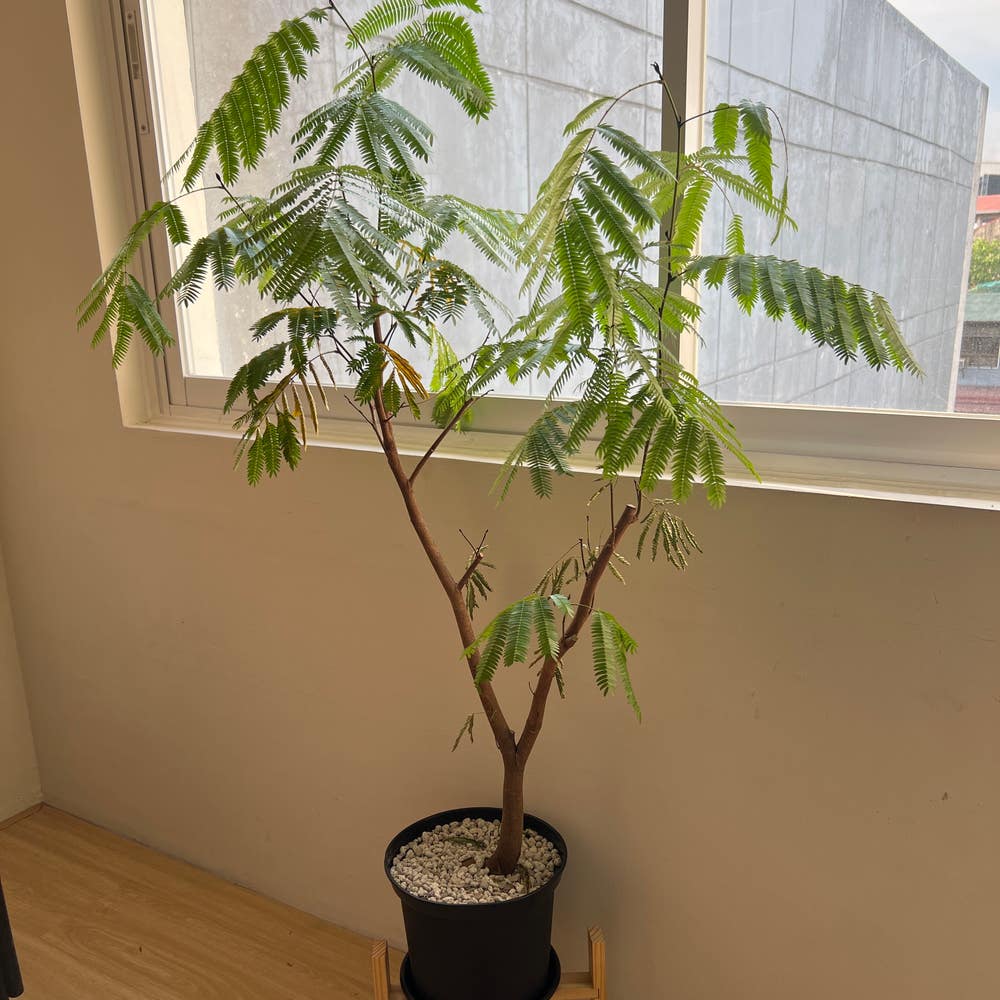
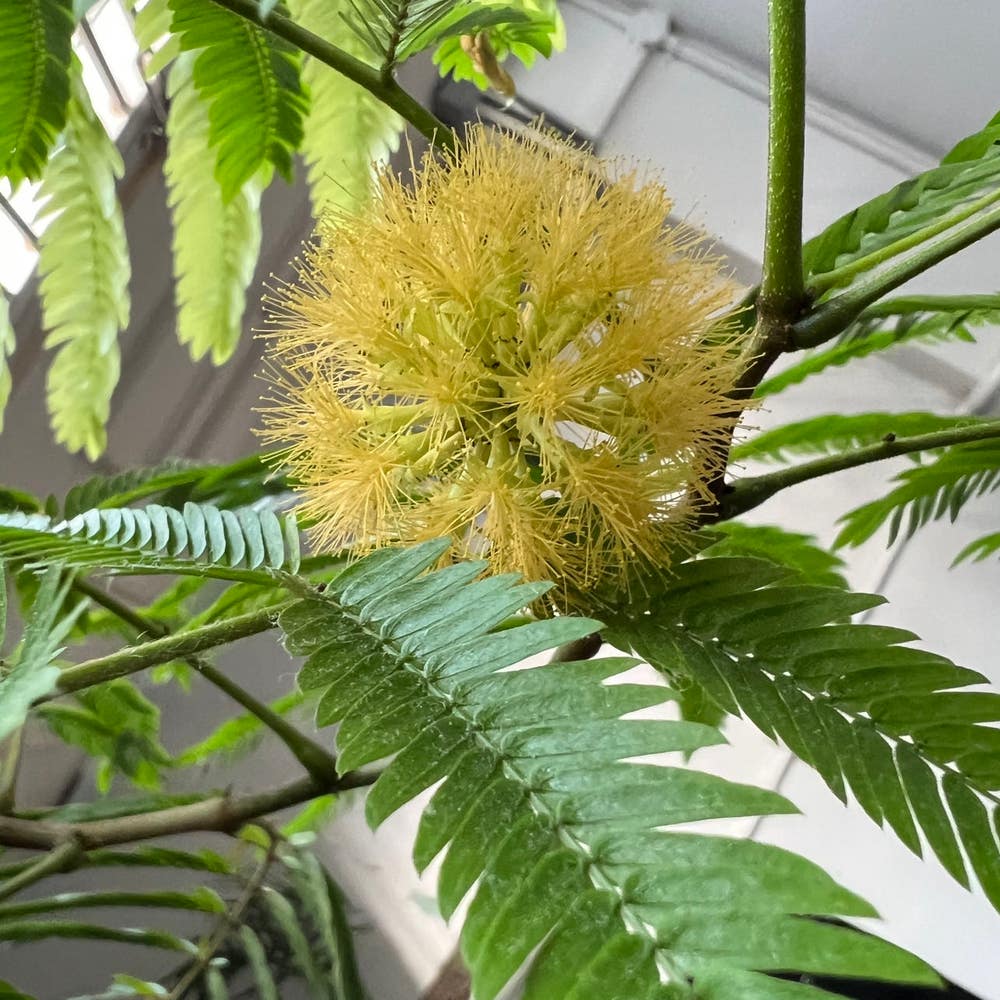
When and How to Repot Your Siris Tree 🌳
Albizia amara
By the Greg Editorial Team
Nov 23, 2024•7 min read
This article was created with the help of AI so we can cover more plants for you. May contain errors. See one? Report it here.
- 🌱 Signs to repot include roots out of drainage holes and yellowing leaves.
- ⏰ Best time to repot is early spring; avoid fall to prevent stress.
- 🪴 Choose a pot 1-2 inches larger and use well-draining soil for optimal growth.
Signs That Your Tree Needs Repotting
🌱 Root Bound Indicators
One of the first signs your Siris tree needs repotting is when roots start growing out of the drainage holes. This indicates that the tree has outgrown its current pot and is seeking more space.
Another clear indicator is when roots begin to circle the pot. This circling behavior shows that the roots are cramped and struggling for room, which can hinder the tree's overall health.
⏳ Growth Stagnation
If your tree's growth seems slow or has come to a halt despite your best care efforts, it might be time to repot. This stagnation often signals that the roots are too confined to absorb nutrients effectively.
Additionally, yellowing leaves or leaf drop can be a red flag. These symptoms often indicate that the tree is stressed and unable to thrive in its current environment.
🪴 Soil Degradation
Take a close look at the soil in your pot. If it appears compacted and hard, this can reduce aeration and limit root growth. Healthy soil should be loose and able to retain moisture without becoming waterlogged.
Frequent watering may also suggest soil degradation. If you find yourself watering more often due to poor moisture retention, it's a sign that the soil is no longer providing the necessary support for your tree's growth.
Recognizing these signs early can help ensure your Siris tree remains healthy and vibrant. Next, let’s explore the best time of year to repot your tree for optimal results.
Best Time of Year to Repot Tree
Optimal Seasons 🌱
Timing is everything when it comes to repotting your Siris tree. Early spring is the golden window for this task, as it aligns with the tree's natural growth cycle, encouraging vibrant new growth.
While fall is another option, it can be tricky. Repotting during this season may stress your tree just before it enters dormancy for winter, which is something to consider carefully.
Climate Considerations ☀️
Your local climate plays a significant role in determining the best time to repot. In warm climates, you have the flexibility to repot year-round, provided the conditions are favorable.
Conversely, if you live in a cold climate, it's best to avoid repotting during frost or extreme cold. This will help protect your tree from unnecessary stress and ensure a smoother transition into its new pot.
Understanding these seasonal and climate factors will set you up for success in nurturing your Siris tree. Now that you know when to repot, let’s dive into the step-by-step guide for the actual process!
Step-by-Step Guide to Repotting Tree
Repotting your Siris tree can seem daunting, but with the right approach, it becomes a straightforward task. Follow these steps to ensure your tree thrives in its new home.
1. Prepare the New Pot 🌱
Start by selecting a pot that is 1-2 inches larger in diameter than the current one. Make sure it has adequate drainage holes to prevent water accumulation.
2. Select the Right Potting Soil 🪴
Choose a well-draining potting mix specifically designed for trees. This will provide the necessary nutrients and aeration for healthy growth.
3. Remove the Tree from Its Current Pot 🌳
Gently tap the sides and bottom of the pot to loosen the soil. Carefully slide the tree out, supporting the base to avoid damaging the roots.
4. Inspect the Root System 🔍
Take a moment to examine the roots. Trim any damaged or excessively long roots and loosen any that are tightly bound.
5. Place the Tree in the New Pot 🏺
Position the tree at the same depth it was in the old pot. Fill in with fresh potting soil, ensuring there are no air pockets left behind.
6. Water Thoroughly 💧
Finally, water the tree until it drains from the bottom. This ensures the soil is evenly moist and helps settle the roots in their new environment.
By following these steps, you can successfully repot your Siris tree, giving it the space and nutrients it needs to flourish. Next, let’s explore the best pot material options to enhance your tree’s growth.
Pot Material Options for Tree
Choosing the right pot material for your Siris tree is crucial for its health and growth. Each material has its unique characteristics that can influence the tree's environment.
🌍 Overview of Pot Materials
- Ceramic
- Plastic
- Terracotta
⚖️ Pros and Cons of Each Pot Material
Ceramic
Ceramic pots are known for their aesthetic appeal and good insulation properties. However, they can be heavy and may retain moisture, which could lead to overwatering issues.
Plastic
Plastic pots are lightweight and affordable, making them a popular choice. They offer good drainage options but are less durable and can heat up quickly in direct sunlight.
Terracotta
Terracotta pots excel in drainage and are breathable, allowing for better air circulation around the roots. On the downside, they can dry out quickly and become heavy when wet.
📏 Recommended Pot Sizes and Shapes
When repotting your Siris tree, choose a pot that is 1-2 inches larger in diameter than the current one. Opt for wider pots to accommodate the spreading roots, ensuring your tree has ample space to thrive.
Selecting the right pot material and size is essential for your tree's growth and well-being. With the right choices, you can create a nurturing environment that supports your Siris tree's journey.
Next, let’s explore the soil and drainage needs to ensure your tree continues to flourish.
Soil and Drainage Needs for Tree
Best Potting Soil Mix for Tree 🌱
Choosing the right potting soil is crucial for your Siris tree's health. A well-balanced mix of peat, perlite, and compost promotes aeration and provides essential nutrients.
Aim for a pH level that is slightly acidic to neutral, ideally between 6.0 and 7.0. This range supports optimal nutrient absorption and overall tree vitality.
Importance of Drainage in Repotting 🚰
Proper drainage is vital when repotting your tree. It prevents root rot and overwatering issues, which can severely damage your plant.
Without adequate drainage, excess water can suffocate roots, leading to decay. Ensuring your tree has the right environment is key to its long-term health.
How to Ensure Proper Drainage in Pots 🏺
To guarantee effective drainage, always use pots with drainage holes. These holes allow excess water to escape, preventing waterlogged soil.
Additionally, consider adding a layer of gravel or small stones at the bottom of the pot. This extra measure enhances drainage and keeps the soil from compacting, ensuring your tree thrives in its new home.
With the right soil and drainage in place, your Siris tree will be set for successful growth. Next, let’s explore the best pot material options to further enhance your tree's living conditions.
Common Mistakes in Repotting Tree
Mistakes to Avoid 🌪️
Repotting your Siris tree can be a rewarding experience, but it's easy to make mistakes. One common error is repotting too frequently or at the wrong time of year, which can stress the tree and hinder its growth.
Another mistake is overwatering after repotting. Newly repotted trees often need less water initially as they adjust to their new environment.
How to Prevent Root Shock During Repotting 🚫
To minimize root shock, aim to disturb the roots as little as possible. This means gently handling the root ball and avoiding excessive trimming.
Gradually acclimating your tree to its new environment can also help. Place it in a similar light and temperature setting as before, allowing it to adjust before making any drastic changes.
By avoiding these common pitfalls, you can ensure a smoother transition for your Siris tree, setting it up for healthy growth in its new pot. Next, let's explore the best pot material options for your tree.
⚠️ Safety First
This content is for general information and may contain errors, omissions, or outdated details. It is not medical, veterinary advice, or an endorsement of therapeutic claims.
Always consult a qualified healthcare professional before using any plant as food, medicine, or supplement.
Never eat any plant (or feed one to pets) without confirming its identity with at least two trusted sources.
If you suspect poisoning, call Poison Control (800) 222-1222, the Pet Poison Helpline (800) 213-6680, or your local emergency service immediately.
Spotted an error? Please report it here.
Repot your Siris tree like a pro 🌱 with Greg's tailored reminders and expert tips, ensuring it flourishes in its new pot!