5 Timing Tricks for Siris Tree Planting
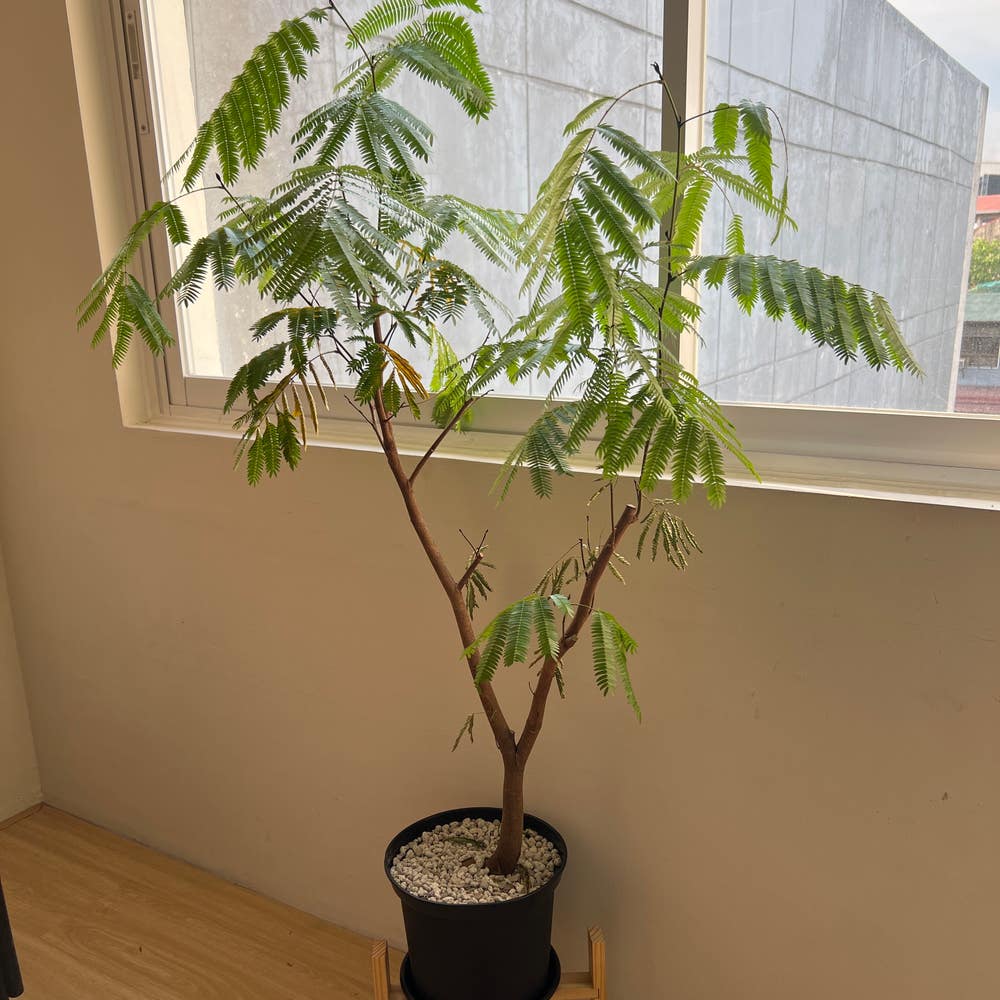
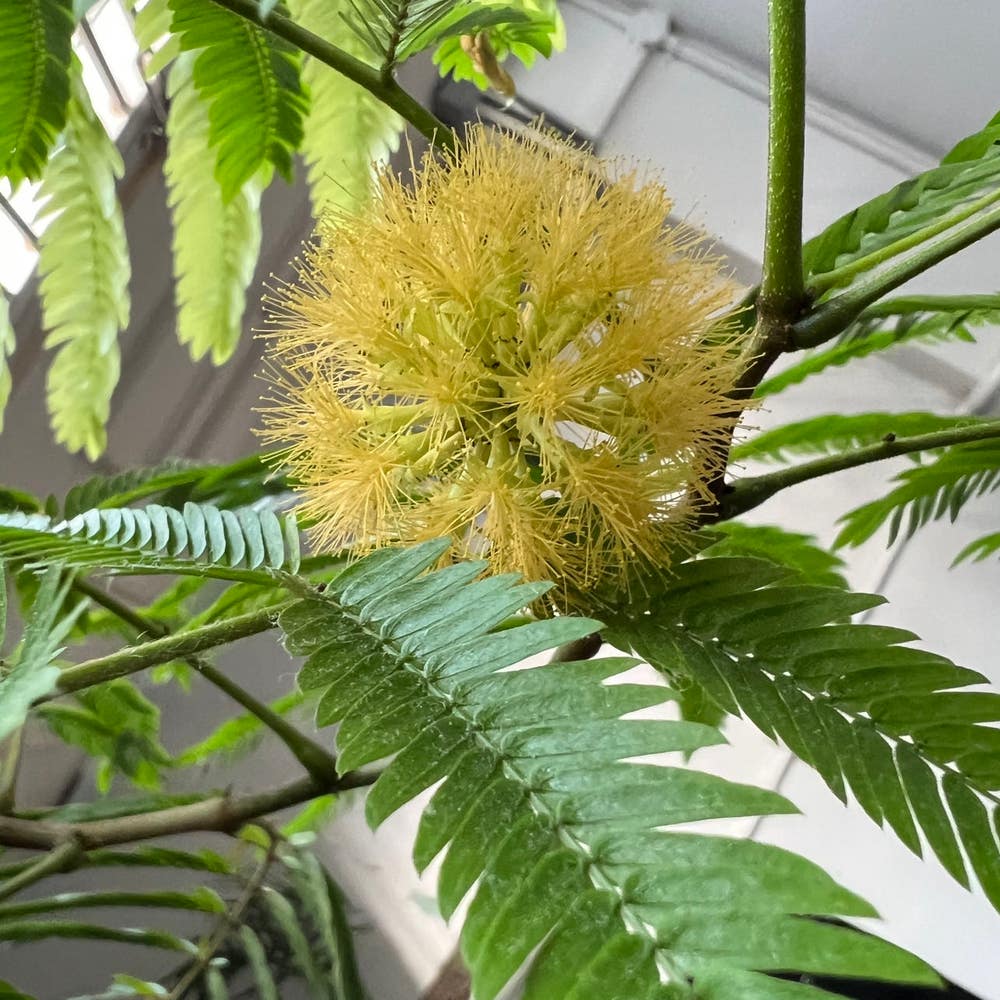
Albizia amara
By the Greg Editorial Team
Nov 23, 2024•3 min read
This article was created with the help of AI so we can cover more plants for you. May contain errors. See one? Report it here.
- ❄️ Know local frost dates to protect seedlings and ensure successful establishment.
- 🌡️ Ideal soil temperatures for germination are between 65°F and 75°F. Measure accurately!
- 🌞 Longer days boost growth; adjust planting times based on seasonal day length variations.
Timing for Planting
🌨️ Importance of Frost Dates
Frost dates are crucial for gardeners, marking the last frost in spring and the first frost in fall. Knowing these dates helps protect young seedlings from frost damage and ensures they establish properly before colder weather sets in.
📅 Determining Frost Dates
To find local frost dates, utilize resources like the USDA Plant Hardiness Zone Map or consult local agricultural extension services. General guidelines suggest that frost dates can vary significantly based on your climate, so it's essential to research your specific area.
🌡️ Soil Temperature Considerations
Ideal Soil Temperature
For optimal germination, soil temperatures should range from 65°F to 75°F (18°C to 24°C). This temperature range is vital for seedling establishment and overall growth.
Measuring Soil Temperature
Using a soil thermometer is the best way to get accurate readings. Check soil temperature a few days before planting to ensure conditions are right for your seeds.
🌞 Day Length and Growth
Impact of Day Length
Photoperiodism refers to how plants respond to the length of day and night. Longer days during the growing season are essential for optimal growth, as they provide the light needed for photosynthesis.
Seasonal Variations
Day length varies by season, impacting when you should plant. Monitoring day length can help you determine the best planting times for your specific region.
🌍 Regional Planting Considerations
Ideal Planting Months
Different regions have unique planting windows. Here are some ideal months for various states:
| State | Ideal Planting Months |
|---|---|
| Florida | March to May |
| California | March to June |
| Texas | March to April |
| New York | Late April to early June |
| Colorado | Late May to early June |
| Ohio | Late April to early June |
🌱 Seed Starting Techniques
Indoor vs. Direct Sowing
Starting seeds indoors extends your growing season and protects them from frost. Aim to start seeds indoors 6-8 weeks before the last frost date.
Direct sowing offers simplicity and allows seeds to grow in natural conditions. This method is best done after the last frost date when soil temperatures are optimal.
Timing Considerations
Seed starting times can vary based on regional climate differences. Always adjust your timing according to local conditions and frost dates to maximize your gardening success.
Understanding these timing tricks will set you up for a fruitful planting season. Next, let’s explore effective seed starting techniques to further enhance your gardening efforts.
⚠️ Safety First
This content is for general information and may contain errors, omissions, or outdated details. It is not medical, veterinary advice, or an endorsement of therapeutic claims.
Always consult a qualified healthcare professional before using any plant as food, medicine, or supplement.
Never eat any plant (or feed one to pets) without confirming its identity with at least two trusted sources.
If you suspect poisoning, call Poison Control (800) 222-1222, the Pet Poison Helpline (800) 213-6680, or your local emergency service immediately.
Spotted an error? Please report it here.
Ensure your seedlings thrive with timely planting tricks 🌱 and let Greg guide you with personalized reminders for frost dates and soil temperatures to maximize your gardening success!